In a rapidly evolving landscape, North Carolina’s healthcare policies have seen significant transformations since the last comprehensive budget in September 2023. The influx of federal pandemic relief funds and a $1.6 billion Medicaid expansion bonus from the Biden administration marked a turning point for the state.
The 2023-24 budget included an investment exceeding $835 million in mental health services. With Medicaid expansion rolling out in December 2023, an additional 730,000 residents gained healthcare coverage. The Healthy Opportunities Pilot (HOP), funded by expansion dollars, offered support like healthier food, transportation, and housing improvements.
By 2024, a hospital incentive program had alleviated hospital debt for 2.5 million residents. However, in 2025, the “One Big Beautiful Bill Act” (H.R.1) introduced plans to cut nearly $900 billion from Medicaid over the next decade, altering entitlement programs.
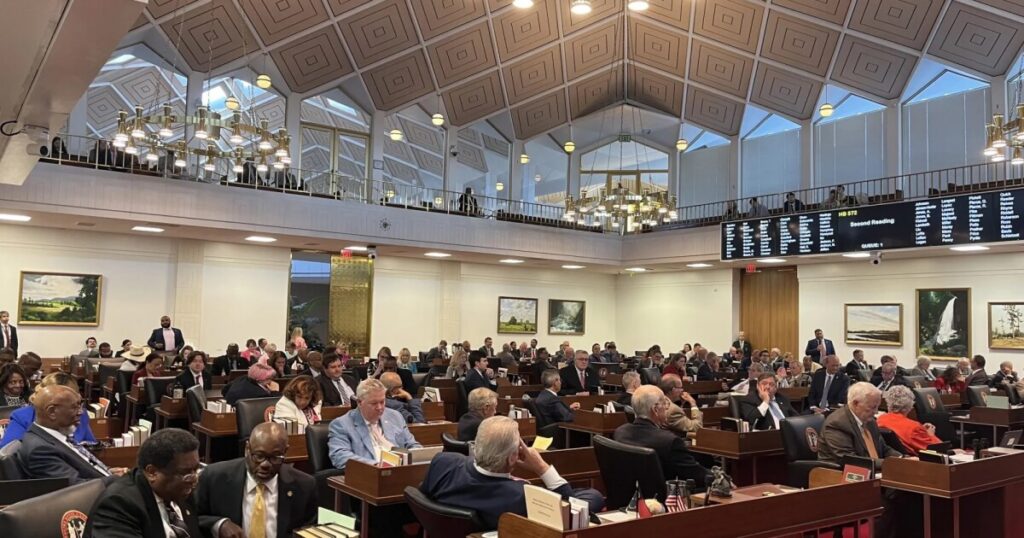
North Carolina’s legislature is now considering a new one-year budget proposal, devoid of fresh healthcare initiatives but reflecting past policy changes in its $34.4 billion framework.
Experimental Program Revival
The proposed budget allocates $25 million in nonrecurring funds to restart the Healthy Opportunities Pilot, a pioneering program paused for nearly a year. Launched in 2022, HOP aims to address social determinants of health, such as food and housing, in rural areas. Evaluations indicated that HOP reduced healthcare costs by steering participants away from costly hospital care.
While the new allocation rekindles the program, it falls short of the $80 million originally needed. Challenges include restoring the infrastructure that deteriorated during the hiatus, as noted by Sen. Julie Mayfield.
Medicaid Spending Adjustments
This year’s Medicaid rebase requires $1.048 billion to accommodate enrollment growth and healthcare cost increases. Non-recurring funding forms a significant portion of this, potentially skewing perceptions of expense growth.
As H.R. 1 begins to impact Medicaid, initiatives to curb fraud and improper payments are evident in the budget, including $1.5 million for fraud detection technology and a $2.5 million one-time state auditor investigation.
SNAP Adjustments Amid Federal Changes
Immediate changes to the Supplemental Nutrition Assistance Program (SNAP) are driven by H.R. 1, with North Carolina allocated $5.3 million to adapt to new federal requirements. Adjustments include updating NC FAST, integrating AI for error screening, and expanding staff for training and quality control. The federal law shifts more administrative responsibilities to states, reducing federal funding from 50% to 25% by 2027.
H.R. 1 introduces stricter work requirements and reduces exemptions for certain groups, increasing the administrative burden on county social service agencies.
Mental Health and Other Budget Provisions
The budget continues some mental health funding, focusing on opioid use disorder prevention and treatment. Over $79 million from opioid settlement funds supports various projects, including recovery housing and addiction treatment.
Despite previous investments, the Medicaid Innovations waiver program, aiding people with disabilities, sees no new funding. However, $21.3 million is allocated to increase rates for personal care services, aiming to alleviate staffing shortages.
In total, the budget document spans 1,350 pages, covering numerous spending directives, including eliminations and funding adjustments across various sectors.