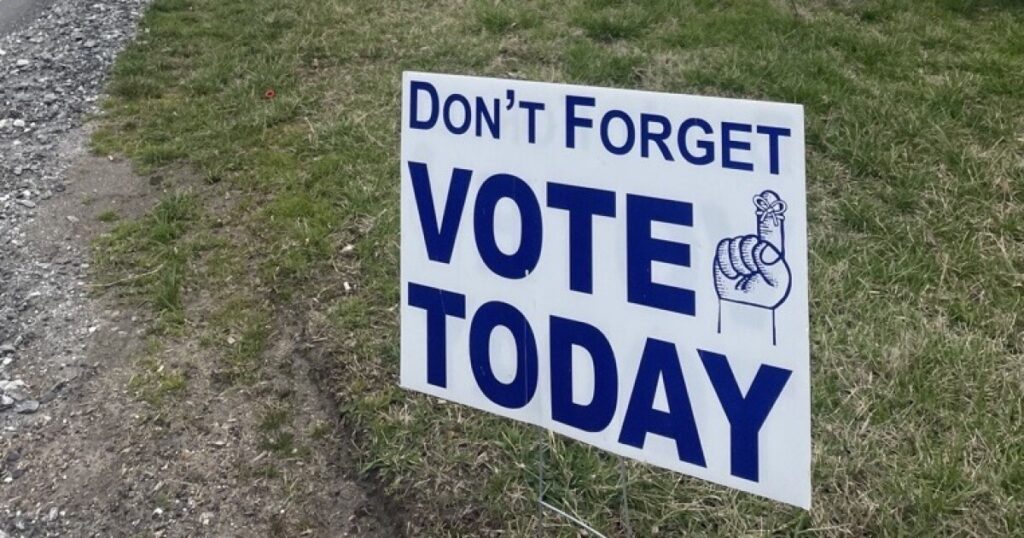
As primary elections approach, voters face the important task of narrowing down candidates for various elected offices. This year’s primary is set for Tuesday, March 3, and understanding the candidates’ platforms and credentials is crucial.
For those planning to cast their votes, here are key dates and information to consider as Election Day approaches.
Voter Registration
Ensuring your voter registration is up to date is important. This can be verified through the state Board of Elections website. The necessity of this step stems from a lawsuit filed by the Trump administration against North Carolina last year, alleging that over 100,000 voters lacked necessary numeric identifiers like a driver’s license number or partial Social Security number. Compliance with the 2004 federal law requiring such information is essential.
The state has reached out to affected individuals, but updates remain pending for some. If your registration lacks these identifiers, you can still vote using a provisional ballot, which will only be counted upon identity verification. The final day to register to vote is Friday, Feb. 6.
Early Voting
Early in-person voting begins at 9 a.m. on Thursday, Feb. 12, and concludes at 3 p.m. on Saturday, Feb. 28. While early voting provides flexibility in choosing any polling place within your county, note that the state Board of Elections has reduced the number of early voting sites, notably in Jackson and Madison Counties.
To find an early voting location, utilize the state’s “Early Voting Site Finder“. Remember, a photo ID is now mandatory for voting, whether early or on Election Day. If you lack a voter ID, the state provides one for free.
For those preferring to vote by mail, an absentee ballot request must be submitted by Feb. 17 at 5 p.m.
Understanding Primaries
Primaries serve to select candidates for the general election. In North Carolina, if no candidate secures at least 30% of the vote, a runoff election may be requested. Typically, voters select a ballot based on party affiliation. Unaffiliated voters can choose any party’s ballot, while registered Democrats or Republicans must vote within their party.
To vote across party lines, a change in party affiliation must occur 25 days before the election.
Asheville’s City Council Primary
Asheville presents a unique primary scenario with 20 candidates vying for City Council seats, including three incumbents. This non-partisan primary allows voters to select any candidate without party designation.
Only the top six candidates will advance to the general election in November. Voters can select up to three candidates, as North Carolina Statute 163-294 dictates that voters cannot choose more candidates than available seats. If a tie occurs, the Board of Elections will determine the winner by lot, which can include a coin flip, as witnessed twice in Sylva.