Understanding the Dangers of Cold Water Shock at Popular Water Spots
What begins as a relaxing day by the water can quickly turn hazardous due to unexpected temperature differences. At Lake Tahoe, for example, while the air might be warm, the water can be significantly cooler. The temperature of the water can be up to 30 degrees lower than the air, especially on a usual June day, posing serious risks for swimmers.
Ashley Zeme from the Nevada Department of Wildlife explains the dangers associated with these temperature discrepancies. “There’s three phases to cold water shock,” she says. “One happens in the first minute, … and that’s your body reacting to the shock of the cold water, and it’s like if you were to get in a shower, turn the water on, and it was freezing cold, your body’s natural reaction is to gasp.” This reaction can lead to inhaling water, and prolonged exposure can incapacitate your limbs, making swimming impossible after about 10 minutes.
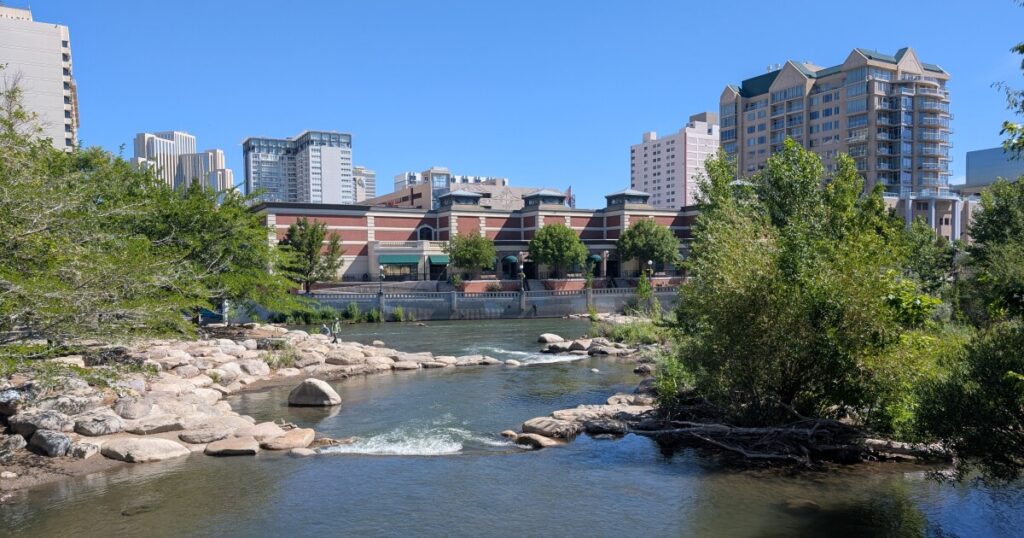
The problem is not exclusive to Lake Tahoe. According to Steven Figone of the Reno Fire Department’s Water Entry Team, cold water shock is a frequent concern at the Truckee River too. He emphasizes the importance of wearing life jackets as a primary preventive measure. “It buys rescuers time to get there,” he notes. “It buys the swimmer in distress time by keeping their airway above the water, and it just gives them those precious seconds that they can hopefully swim to shore or alert somebody that they need help.”
Preparedness is crucial, as both Zeme and Figone advise. This means checking the weather, having proper emergency gear like life jackets, and knowing how to act if situations turn dangerous. Figone recommends that if caught in an unsafe situation in the river, you should keep your feet up and pointed downstream. It’s also important to swim defensively to avoid rocks and debris.
In emergencies, calling 911 is advised rather than attempting a rescue that could put you in danger. Zeme stresses that precautions like wearing a life jacket, staying sober, and having a plan ensure everyone’s safety by the water.