Originally reported by Cardinal & Pine
Calla Hales, 36, is determined to provide abortion care in the South despite facing threats. As CEO of A Preferred Women’s Health Centers, she oversees clinics in Charlotte and Raleigh, North Carolina, and Augusta and Atlanta, Georgia.
Since 1973, abortion providers have been significantly targeted, with 11 murders and 26 injuries in the US and Canada. Despite the danger, Hales continues her work.
Calla Hales’ Journey
During her pregnancies, Hales experienced severe complications, including hyperemesis gravidarum, leading to daily vomiting and the need for IV fluids. Post her first C-section, she suffered significant internal bleeding amid a pandemic-driven blood shortage, which delayed her treatment.
These experiences intensified her pro-choice stance, emphasizing the often-overlooked dangers of childbirth.
Editor’s note: The US leads high-income countries in maternal mortality with over 22 deaths per 100,000 births, compared to Chile’s 14.3.
Contrastingly, abortion procedures are statistically safer, with 0.7 deaths per 100,000 in the US.
She argues against enforced pregnancies, especially after the Supreme Court’s decision to overturn Roe v. Wade.
Hales didn’t initially aim to lead abortion clinics but took the helm of APWHC, operating clinics in both North Carolina and Georgia.
A Family Tradition of Abortion Care
Her parents founded their first clinic in Raleigh in 1998 following a personal tragedy involving a friend’s suicide after being denied abortion access in South Carolina. This motivated her father, a surgeon, to enter the field.
Hales grew up with heightened security awareness due to her family’s work, only realizing its unusual nature during her adolescence.
In college, she cautiously revealed her family’s profession, discovering more openness about abortion in the North compared to the South.
Returning to Raleigh after graduation, she found fulfillment in clinic administration, witnessing firsthand the challenges faced by patients, especially financial burdens not covered by insurance.
Today, APWHC assists patients with costs, especially those traveling from states with strict abortion laws.
Adapting to Legal Changes
The overturning of Roe v. Wade brought urgency to Hales’ work, with her clinics adapting quickly to new state laws, such as Georgia’s six-week ban.
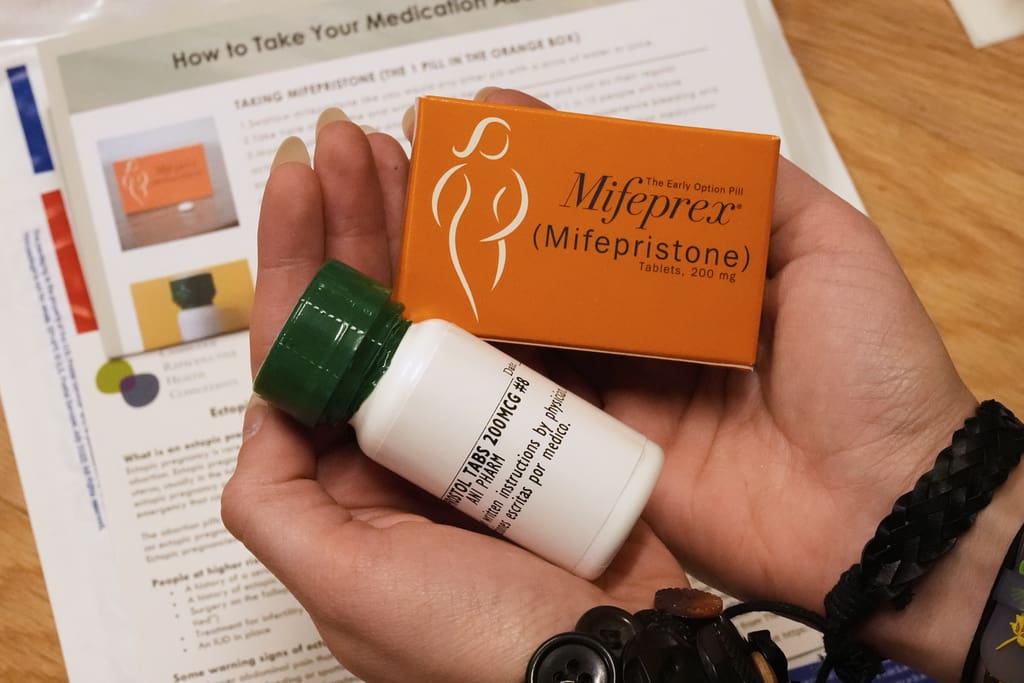
Editor’s Note: APWHC in Georgia provides medication abortions up to six weeks. North Carolina enforces a 12-week ban and a 72-hour waiting period.
Post-Roe, patients from Southern states with bans, like Texas and Alabama, increasingly seek services at her clinics.
Hales manages regular anti-abortion protests, working with organizations like Charlotte for Choice for volunteer support and patient safety.
She notes the discrepancy between anti-abortion rhetoric and tangible support for children and families, questioning the lack of advocacy for foster care or food assistance.
Balancing Safety and Advocacy
Hales remains vigilant about her safety, influenced by the experiences of other clinic owners, yet committed to her work.
Her role as CEO demands constant engagement, balancing personal life with professional obligations, and fostering connections within the community.
Amid challenges like ICE detentions affecting staff, Hales reflects on her privileges and her dedication to patient care.
Hales continues to adapt to legislative changes, driven by her principle of living with her decisions and ensuring clinic accessibility for those who need it.