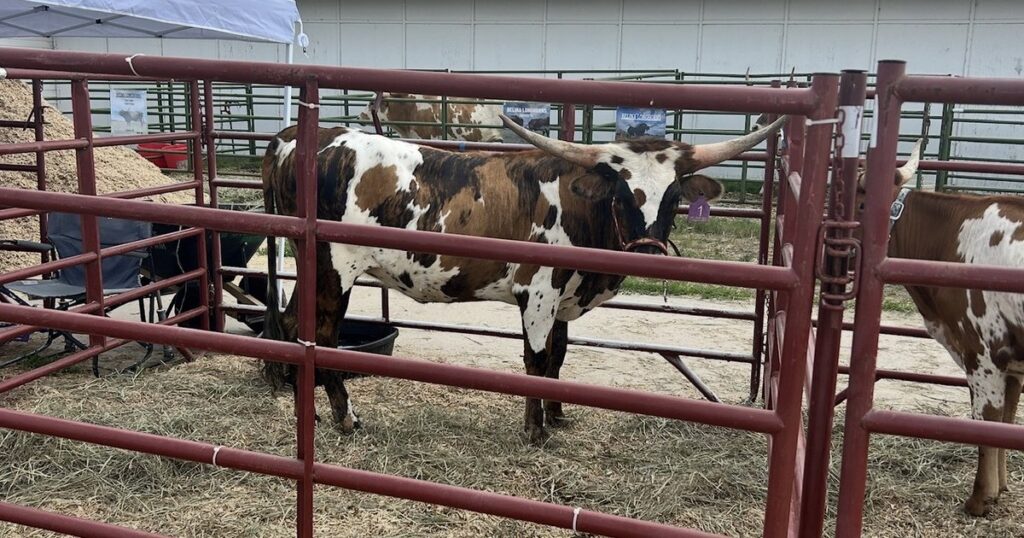
As summer unfolds, county fairs and livestock exhibitions across Nebraska and neighboring states are in full swing. Concurrently, livestock experts are urging cattle owners to heighten their focus on biosecurity due to emerging threats from two particular cattle illnesses.
Emerging Threats to Cattle Health
In recent months, two significant threats have come to the forefront: Theileria, a tick-borne disease, and the resurgence of the New World Screwworm, a destructive parasite. Theileria has been detected in at least 10 feedlots and three breeding herds, primarily through imported cattle. Although the Asian longhorn tick, responsible for spreading the disease, is primarily found on the East Coast and has not been identified in Nebraska, the disease can still be transmitted via reused needles or other blood-sucking insects like lice. Symptoms include anemia, jaundice, and weakness, and can sometimes be fatal.
Meanwhile, the New World Screwworm, which devastated U.S. cattle decades ago before being eradicated in the 1960s, has reappeared in Texas since early June. The parasite is feared to spread northwards, prompting heightened vigilance among cattle owners in surrounding areas. The screwworms lay eggs in the tissue of live animals, leading to infections and potentially fatal outcomes if untreated. Early detection is “critical for successful control efforts,” according to Nebraska Extension, with signs including non-healing wounds, foul-smelling lesions, and restlessness.
Biosecurity Measures at Agricultural Events
With numerous fairs already underway and the Nebraska State Fair set to begin in Grand Island at the end of August, organizers are taking preventive measures seriously. Vaughn Sievers, agriculture director for the Nebraska State Fair, emphasized the collaborative efforts with an official State Fair veterinarian to assess animal health prior to their entry on fairgrounds. “To date, the fair has not experienced a disease outbreak,” Sievers stated, highlighting the preparedness plans in place.
The Nebraska Department of Agriculture advises livestock owners to implement biosecurity steps before traveling to shows. This includes disinfecting equipment and monitoring animal health. During the fairs, it is recommended that exhibitors avoid sharing tools and ensure that community hoses are not used directly for animals to drink or make contact with buckets.
Post-Event Biosecurity Protocols
Upon returning from fairs, isolating show animals for a period of two to three weeks is advised to prevent the potential spread of illnesses that may develop post-event. Animals should also be kept from direct contact with others during this time to further reduce risk.
To facilitate safe crossing of state lines, Nebraska Extension has issued checklists for agricultural producers. As highlighted by Lindsay Waechter-Mead, a beef educator with Nebraska Extension, certain regulations for traveling cattle may require several days to fulfill. This includes obtaining a Certified Veterinary Inspection, which is mandatory even for domestic pets like cats and dogs when crossing state boundaries.