Regulators Approve Alliant Energy Rates for Meta’s Data Center, Demand Standardization
In a significant move for energy regulation in Wisconsin, state regulators have approved Alliant Energy’s proposed rates for a $1 billion data center campus by Meta in Beaver Dam. However, the approval comes with a caveat: the utility company must establish a standard rate for future data centers with large energy demands.
The Public Service Commission (PSC) of Wisconsin has mandated that Alliant Energy develop standard rates for future data centers requiring 100 megawatts or more. This requirement includes additional reporting, cost-of-service studies, and an incremental cost analysis to evaluate the impact of Meta’s energy demand on Alliant’s system.
Initially, Alliant Energy’s application for a contract rate with Meta’s affiliate Degas LLC faced criticism due to redactions related to power needs and contract duration. After regulators requested a revised application, an amended agreement revealed that Alliant would supply 220 megawatts of power to the data center, equivalent to two large power plants, over a decade.
PSC Chair Summer Strand criticized the lack of transparency in the proposal, remarking, “As we saw here, there is still this black-box approach that includes nondisclosure agreements, heavily redacted filings, corporate pseudonyms, and negotiations shrouded in secrecy.”
This decision aligns with recent changes imposed on We Energies, which proposed a standard rate for all large customers. In contrast, Alliant’s agreement solely benefited Meta.
Alliant’s spokesperson, Melissa McCarville, emphasized that the agreement ensures Meta will cover the full cost of infrastructure investments needed for the data center, thus protecting other customers. “Protecting our customers while allowing communities to grow is central to our commitment at Alliant Energy, and that’s exactly what this contract is designed to do,” McCarville stated.
The contract stipulates that Meta must pay for its minimum energy demand even if it no longer requires the power, with enhanced termination charges applying throughout the 10-year term. PSC Commissioner Kristy Nieto commented, “I don’t think it’s a lot to ask for the large customer to stick to the term they’re agreeing to.”
Consumer advocates and environmental groups had pushed for more stringent measures to ensure Meta bears the entire cost of energy provision, particularly in light of concerns about potential declines in power needs due to the AI industry’s uncertainty. Tom Content, executive director of the Citizens Utility Board, stated that the PSC’s actions send “a clear message that tech companies are going to have to pay their way when they come to Wisconsin.”
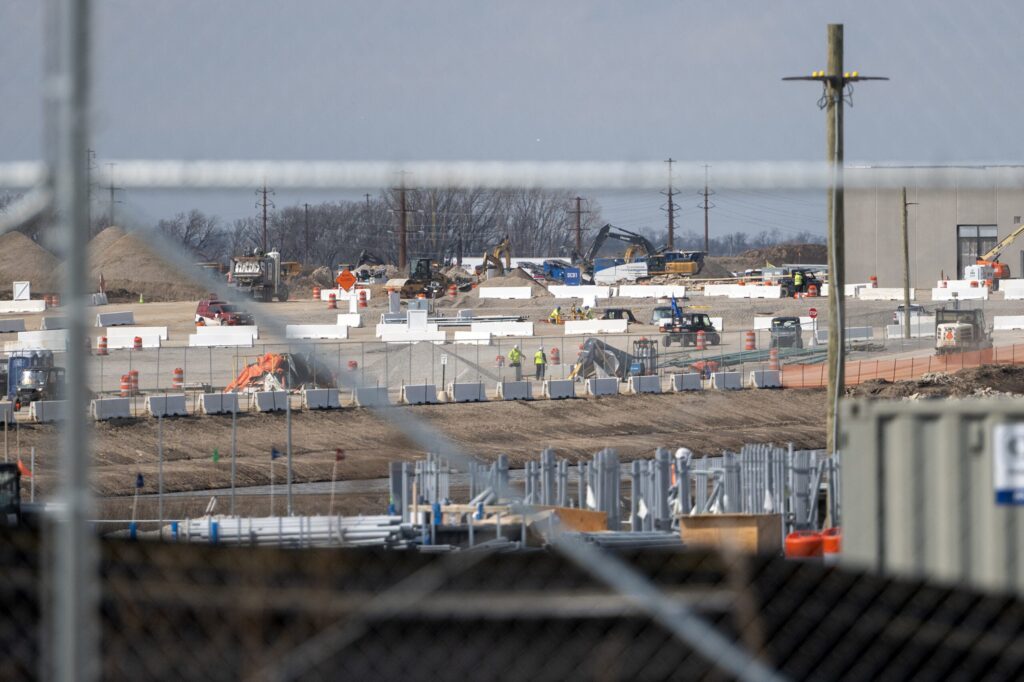
In November, Meta revealed its involvement in the data center project, which is expected to generate over 1,000 jobs during construction and more than 100 permanent positions once operational in 2027. The company will invest nearly $200 million in infrastructure, including transmission lines and utility substations.
American Transmission Co. is planning approximately $2 billion in projects to support data centers in Wisconsin. Regulators have instructed Alliant to collaborate with ATC to prevent Wisconsin customers from bearing transmission costs associated with these data centers.
Criticism of Alliant’s transparency persists, with Midwest Environmental Advocates suing the PSC to disclose Meta’s energy demand projections. Meanwhile, a study by the Sierra Club’s Wisconsin Chapter indicates public opposition to Alliant’s agreement, citing concerns over increasing electricity costs. A Marquette Law School poll found that 70 percent of voters believe the costs of data centers outweigh the benefits.