The legal battle between the federal government and Camp Lejeune toxic water plaintiffs has intensified, with the government accusing the plaintiffs of attempting to alter the 2022 federal law for financial gain. This law was designed to allow victims to seek compensation, but now its interpretation is under scrutiny.
This week, a brief filed by the U.S. Department of Justice in a North Carolina federal court highlighted the plaintiffs’ attempt to sidestep mechanisms that prevent double compensation for disability benefits and court awards.
Agency for Toxic Substances and Disease Registry
Read more: Camp Lejeune Justice Act Series
The central issue revolves around the assessment of future benefits stipulated under the Camp Lejeune Justice Act of 2022. This legislation empowers individuals, including veterans and civil servants, affected by the contaminated water at Camp Lejeune from 1953 to 1987, to seek compensation.
The law mandates that any awarded damages be reduced by the value of current and expected future VA disability benefits related to the same illnesses caused by the toxic water.
Plaintiffs are urging the court to consider future disability and healthcare benefits as “speculative” and argue that these should not decrease their immediate compensation.
The Department of Justice, however, argues that this approach is an attempt to alter the statute. “Plaintiffs seek a multibillion-dollar windfall,” the DoJ stated, warning that accepting this logic would result in taxpayers effectively paying twice for the same health issues, significantly increasing liabilities.
Excluding these offsets would also increase the amount of final damages, part of which covers attorney fees.
This legal clash is occurring amidst growing discontent over the pace of compensation, with more than $665 million disbursed in settlements to date. Nevertheless, advocates for veterans and lawmakers have criticized the process for being sluggish and bureaucratic.

U.S. Veterans Administration
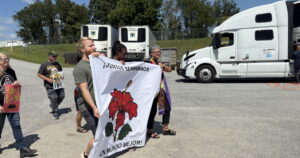
This courtroom confrontation occurs alongside a significant grassroots movement, where hundreds affected by the contaminated water are planning to rally at the U.S. Capitol for a two-day protest. They aim to urge lawmakers to expedite a legislative fix to the 2022 law, introduced as the Ensuring Justice for Camp Lejeune Victims Act.
Organized by key advocates Jerry Ensminger and Mike Partain, the protest aims to address a massive backlog impeding over 400,000 cases. With less than 1% of claims resolved, advocates stress that many victims, particularly those elderly or terminally ill, are not receiving compensation in their lifetimes.
The resolution of this legal skirmish over offsets will establish a critical financial precedent for future trials.