Controversy Surrounds Federal Marijuana Reclassification Efforts
The debate over the reclassification of marijuana at the federal level has intensified, with state attorneys general expressing concerns about the potential ramifications of bypassing traditional public notice and comment procedures. They argue that this approach may jeopardize the legitimacy of the proposed change and could conflict with a 1967 international treaty on narcotics management.
Nebraska Attorney General Mike Hilgers, while not providing an immediate comment, has previously indicated that many in Nebraska’s law enforcement community oppose the federal government’s initiative to alter the classification of marijuana.
The legal challenge questions the federal government’s strategy, which involves acting as an intermediary by purchasing marijuana from growers, adding a minimal fee, and reselling it, purportedly to comply with treaty obligations.
Hilgers has expressed concern that reducing marijuana’s classification from a Schedule I drug, like LSD and heroin, to a Schedule III drug, similar to Tylenol with codeine, could pave the way for the push towards recreational legalization.
Both Hilgers and U.S. Senator Pete Ricketts, a former governor of Nebraska, have been vocal in their opposition to two medical cannabis laws that Nebraska voters overwhelmingly supported in 2024. Despite the fact that nearly all states have approved some form of medical marijuana use, they continue to challenge its legality.
One of their primary objections is that President Donald Trump’s initiative could undermine legal arguments against medical marijuana, especially as Nebraska’s Medical Cannabis Commission progresses towards enabling marijuana cultivation for medical purposes.
The filing also highlights another issue: the tax implications of more leniently regulated Schedule III drugs, which could potentially reduce the cost of cultivating marijuana in states where medical cannabis is already legalized.
Supporters of medical marijuana have criticized Hilgers and Ricketts for opposing a measure that more than two-thirds of Nebraskans have endorsed. They argue that continued resistance could inadvertently lead to broader legalization efforts.
Crista Eggers, from Nebraskans for Medical Marijuana, the group behind the successful 2024 ballot initiative, acknowledged the predictable nature of the current legal challenge.
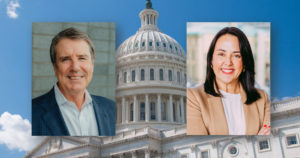
As Hilgers prepares to face Democrat Jocelyn Brasher, a former assistant attorney general, in the upcoming general election on November 3, the issue remains contentious. Brasher remarked, “Nebraskans should be outraged that taxpayer resources are being spent to challenge the Trump administration’s medical cannabis reform on an issue voters overwhelmingly approved at the ballot box. Mike Hilgers is … interfering with decisions that families, patients, and doctors have already made clear they support.”