North Carolina WIC Program Secures Short-Term Funding Amid Federal Uncertainty
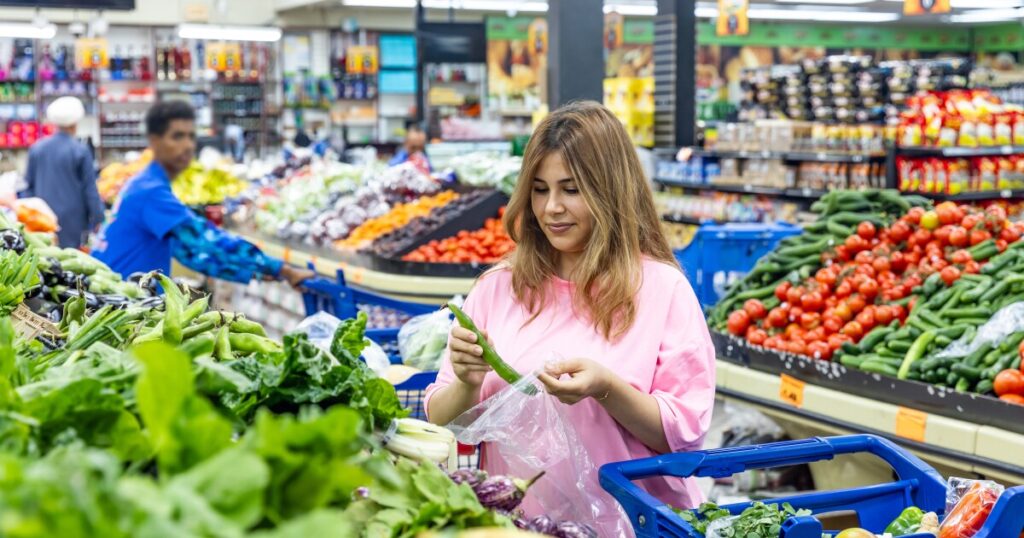
In a temporary relief for North Carolina’s mothers and young children, the WIC program will continue to provide essential support through November, according to state health officials. The program, which incurs a monthly cost of $24 million in North Carolina, caters to the nutritional needs of 262,000 individuals, including pregnant women and children under five.
Currently, the state has secured funding to sustain these benefits for another month. However, as Summer Tonizzo, a spokesperson for the N.C. Department of Health and Human Services, noted in a communication to the N.C. Newsroom, “While it is possible that the federal government may allocate additional funds to extend these benefits, NCDHHS does not currently have funding to maintain benefits past the end of November and no certainty that additional funds will be received.”
The impasse follows the federal government’s shutdown on October 1, after Congress failed to pass a budget for fiscal year 2026. This delay has stalled funding for key programs like WIC and SNAP.
Last month, the U.S. Department of Agriculture redirected $300 million from unused tariff funds, as described by Politico, to support WIC nationwide, though similar funding has not been confirmed for November.
Legal Actions and SNAP Funding Developments
The funding challenges have also sparked legal disputes. A lawsuit, involving North Carolina Attorney General Jeff Jackson and other Democratic officials, was filed against the USDA, contesting the agency’s funding decisions regarding SNAP benefits. The plaintiffs argued that the USDA could have similarly redirected funds to sustain SNAP.
In a significant development, U.S. District Court Judge Indira Talwani ordered the USDA to utilize a $6 billion reserve fund to maintain SNAP benefits amid the shutdown. SNAP, which costs $8.3 billion monthly across the U.S., supports over 1.3 million people in North Carolina, with an expenditure ranging from $230 to $250 million.
“We’re not finished, but this is a major step toward making sure 16 million kids don’t go hungry,” stated Jackson regarding the court’s decision.
The court’s order gives the USDA discretion to either reduce benefits or seek additional funds to maintain full benefits, providing the agency with several options to address the funding gap.
Without intervention, SNAP payments were anticipated to halt by Saturday, with the USDA required to announce its funding strategy by Monday. Judge Talwani emphasized the potential harm from any delay, stating, “At least some recipients will not receive SNAP payments at the beginning of the month and this absence of SNAP payments will undoubtedly result in substantial harm to them.”
Additionally, funding for the Child and Adult Care Food Program, which supports meals for child care centers and other facilities serving about 118,000 individuals, remains available through November.