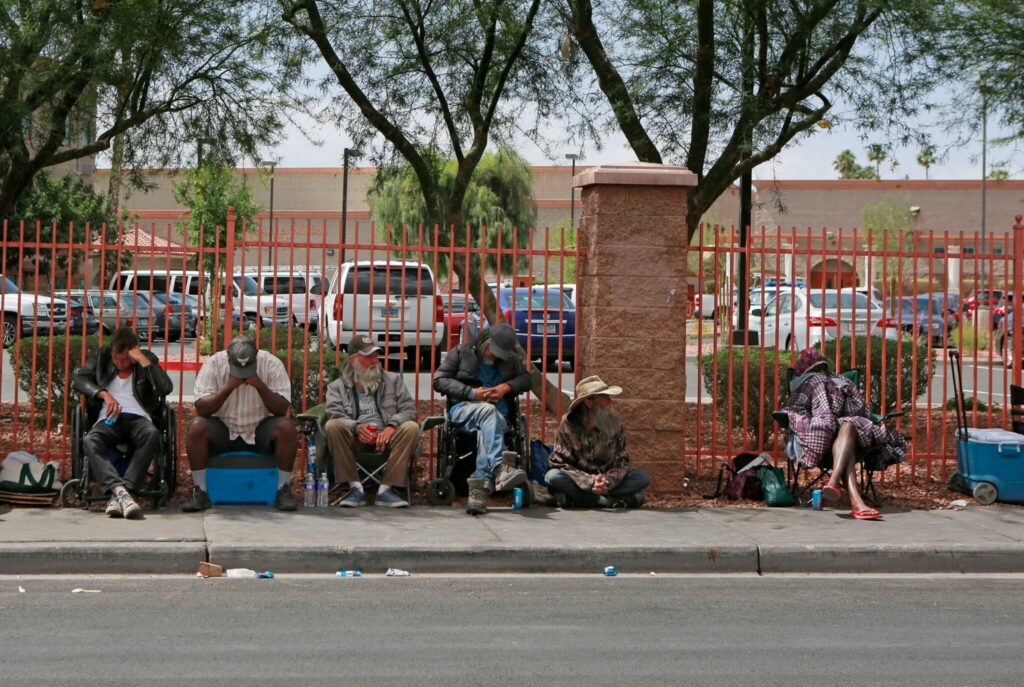
Following the 2024 Supreme Court decision in Grants Pass v. Johnson, allowing public camping bans without breaching the Eighth Amendment, over 350 cities and 14 states have intensified their efforts against street homelessness. The ruling empowered governments to enforce public camping bans, sparking widespread legislative changes.
Since the ruling, states have taken varied approaches, including statewide camping bans on public lands and mandates for local enforcement. Some legislation permits property owners to sue local governments for non-compliance with camping bans, as reported by the National Homelessness Law Center.
This year, Louisiana criminalized unauthorized public camping and launched a Homelessness Court program, offering treatment as a jail alternative. Indiana’s new law banning unauthorized camping on public lands will be effective in July.
Georgia and Oklahoma have enacted Safe Neighborhood laws, enabling property owners to seek compensation if local governments neglect public camping laws. These laws often draw inspiration from groups like the Cicero Institute and the Goldwater Institute.
While the federal count showed a decrease in nationwide homelessness on a single night in January 2025 compared to the previous year, 28 states reported an increase in homelessness. More details are available in the federal count.