New Mosquito-Borne Virus Detected in Lincoln
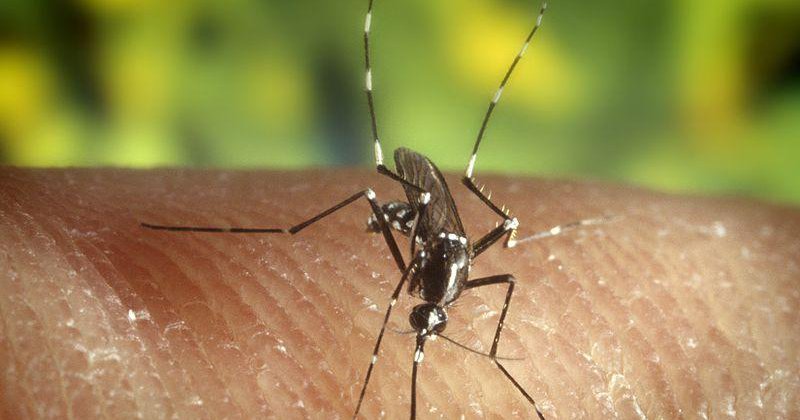
Residents of Lincoln are being urged to take precautions against mosquito bites following the detection of the Jamestown Canyon virus (JCV) in the area. This virus, which is relatively new to Nebraska, was first identified in the state in 2024, according to the Lincoln-Lancaster County Health Department.
While no human cases of JCV have been reported in Lancaster County or in the U.S. this year, health officials are emphasizing vigilance due to the concurrent presence of West Nile virus in the region. Environmental Health Supervisor Chris Schroeder commented on the situation, noting, “This finding was not unexpected. With the recent detection of West Nile virus in mosquitoes and now JCV through ongoing surveillance and testing, we advise residents to keep taking precautions against mosquito bites. We expect to see an increase in mosquito activity as we head further into summer.”
Similar to the West Nile virus, JCV is transmitted to humans through mosquito bites. Many individuals infected with JCV do not exhibit symptoms, but when they do occur, they can include fever, headache, and fatigue. In rare cases, the virus can lead to severe conditions such as encephalitis or meningitis. The Centers for Disease Control and Prevention report that deaths from JCV are uncommon.
This alert comes on the heels of a human case of West Nile virus reported in north-central Nebraska in late June.
Preventive Measures Against Mosquito Bites
The health department has issued guidelines to help residents protect themselves from mosquito bites:
- Utilize an EPA-registered insect repellent when outdoors.
- Avoid outdoor activities during peak mosquito activity times at dusk and dawn.
- Wear protective clothing such as long sleeves, pants, shoes, and socks when outside.
Reducing Mosquito Breeding Around Homes
In addition to personal protective measures, residents can reduce mosquito breeding by:
- Emptying small wading pools daily and maintaining swimming pools appropriately.
- Removing debris, weeds, and litter from drainage areas.
- Refreshing water in birdbaths weekly and pet bowls daily.
- Storing items like tires and containers in a manner that prevents water accumulation.
- Filling low-lying areas in yards to prevent water pooling.
- Keeping garden ponds and fountains well-maintained with flowing water.