Wisconsin’s Independence Day Cookout Costs Hit Record High
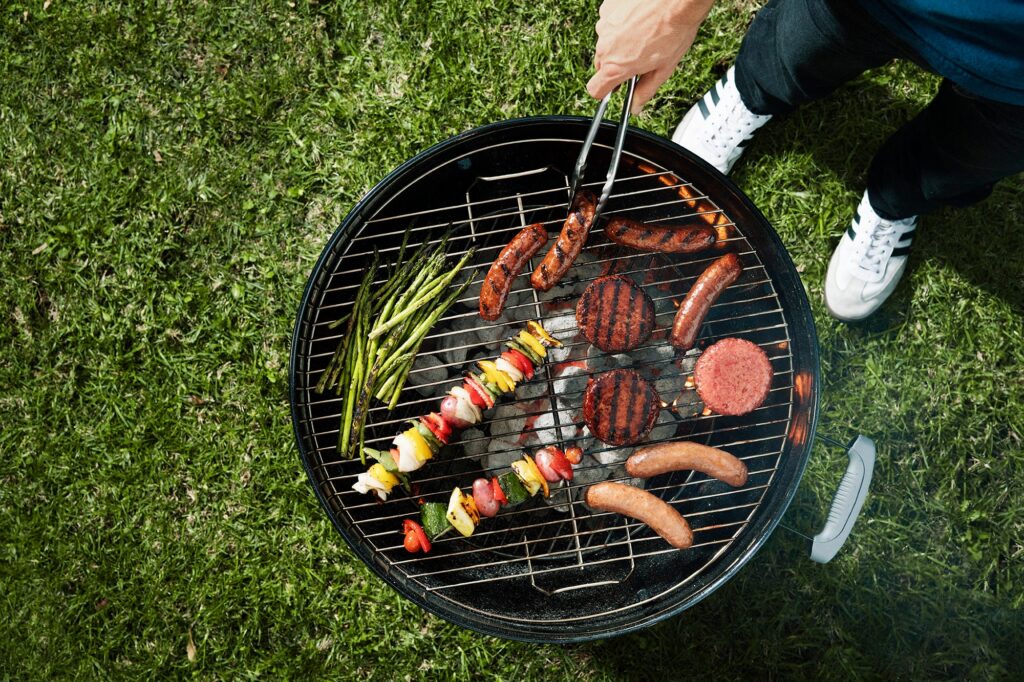
As the United States marks its 250th anniversary, residents of Wisconsin are facing unprecedented costs for their July 4th cookouts. According to the Wisconsin Farm Bureau’s annual survey, feeding 10 people now costs $75.50, the highest since the survey began in 2013.
This represents a 7.5% increase compared to last year’s figures, driven by a combination of economic pressures affecting both consumers and farmers. Cassie Sonnentag, the Wisconsin Farm Bureau’s senior director of public relations, highlighted the rising costs of materials and inputs, stating, “Prices for everything from aluminum that goes into canned goods, or fuel, fertilizer, input costs on the farm — all of those things are up, and that all affects that food price.”
The survey revealed that Wisconsin’s cookout costs are $1.68 more than the national average, which is also at an all-time high. Historically, the Midwest has enjoyed lower food prices compared to regions like the West Coast, but increasing processing and transportation expenses have changed that dynamic, according to Sonnentag. “It’s truly just an indicator of where the economy is at and the challenges that we are facing when it comes to inflation,” she noted.
Ground beef emerged as a significant cost driver, with Wisconsin stores pricing two pounds at $14.60, marking a 23% increase from the previous year. This surge is linked to the decline in the U.S. beef herd due to prolonged droughts in the Great Plains.
Despite stable cattle numbers in Wisconsin, Tammy Vaassen, Executive Director of the Wisconsin Beef Council, noted that national beef demand remains robust, pushing prices higher. Vaassen observed a shift in consumer behavior, with people opting to eat out less frequently. “Rather than going to a restaurant and ordering a steak, we do see them buying more at the grocery store and being a little more price-sensitive,” she said.
Other items in the survey also saw significant price hikes. The cost of a 32-ounce can of pork and beans increased by 27%, likely due to tariffs on imported aluminum. Additionally, fresh strawberries experienced a near 26% price rise, attributed to a February freeze causing extensive damage to Florida’s crops.
On a more positive note, the cost of potato salad decreased by 14%, helped by an oversupply of potatoes as producers face reduced export demand.
For those looking to save, Sonnentag recommends taking advantage of grocery store sales during the holiday. “Specifically for beef or any of the protein products, if there’s an opportunity to stock up when the prices are low and be able to freeze that product, that’s a great way to save,” she advised. Vaassen also suggests opting for less expensive meat cuts, such as eye of round steak, which can be just as satisfying with some extra preparation.