As the November election approaches, the Wisconsin Elections Commission (WEC) has reassured local clerks that a new postal rule concerning absentee ballots, established following an executive order by former President Donald Trump, will not impact them at this time.
In a recently updated FAQ document, approved unanimously at a special WEC meeting, clerks were informed that the USPS rule is unlikely to affect election procedures before November.
The rule, initiated by the Trump administration, aims to impose restrictions on mail voting by requiring states to submit voter data to the postal service. However, it faces legal challenges and is currently halted by a court injunction.
The WEC document explains, “The rule has been blocked while litigation continues, and the judge that blocked the rule reasoned that the states challenging will likely be successful in arguing that the rule violates the law.” It further notes that the probability of the rule being reinstated diminishes as Election Day nears.
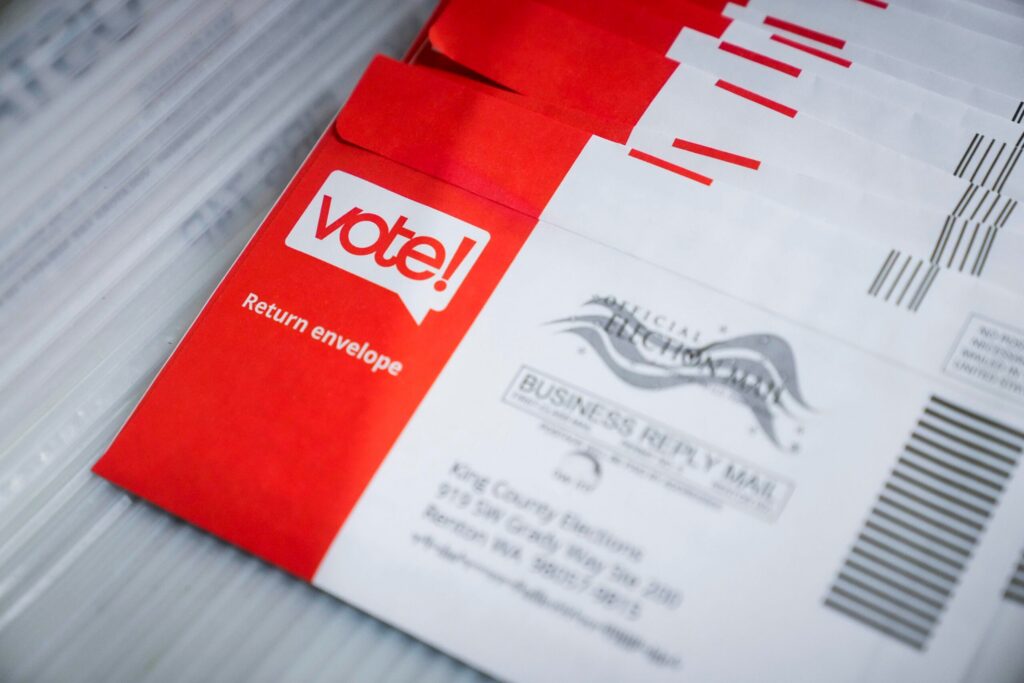
This week, Wisconsin and other states are set to dispatch the initial set of absentee ballots for the upcoming election. The contested postal rule mandates states to use a federal portal to provide voter information, which would allow the postal service to send ballots only to approved voters. Additionally, specific barcodes on ballots would be scanned by the postal service to verify deliverability.
The commission unanimously resolved that no action should be taken to comply with the postal rule unless directed by the commission itself. The updated FAQ document also clarifies the rule’s current ineffectiveness.
The FAQ points out, “First, the USPS portal does not exist. USPS has given no indication of when or whether it will exist, and USPS has provided no training on how the portal will be used.” It emphasizes the complexity and untested nature of the system, which lacks the necessary training for development or use by commissions or clerks.
As the legal proceedings continue, the next hearing on this issue is scheduled for September 3. The commission has committed to providing updates as the situation evolves.