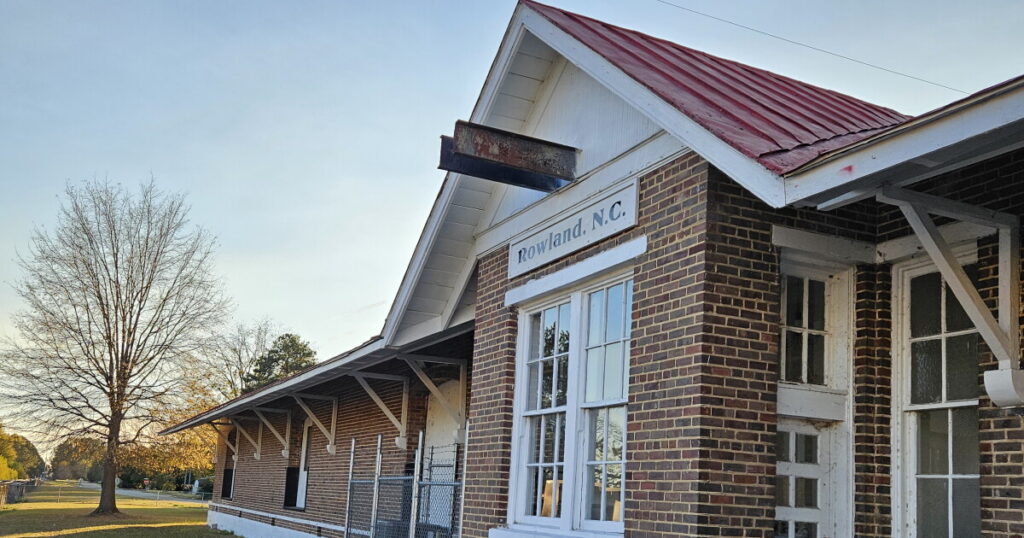
Troubled Finances Prompt Possible State Intervention in Robeson County Town
Rowland, a small town in Robeson County, may soon see its finances managed by the state’s Local Government Commission. This decision comes as part of a broader examination of financial issues facing more than a dozen towns in the state, as reviewed by the commission.
With a population of approximately 900, Rowland’s financial troubles center around its water and sewer system, which has been losing money for the past four years. Compounding the issue is over $150,000 in unpaid bills and misuse of grant funds for unauthorized purposes like payroll.
An audit highlighted the severity of the situation by stating there is “substantial doubt about its ability to continue as a going concern.”
Despite the grim financial outlook, Rowland Mayor Robert McDougald remains optimistic. At Tuesday’s meeting with the Local Government Commission, he expressed confidence that economic activities by the nearby Lumbee Tribe could usher in revenue and rectify the financial issues.
“We’re looking at a major increase in housing, we’re looking at a major increase in industry that’s going to support the tribe in their endeavors,” McDougald said. To address the current fiscal shortfall, the town has cut expenses, including reducing its police force, and may consider increasing property taxes and utility rates.
However, Denise Canada, the commission’s secretary, voiced skepticism about Rowland’s financial sustainability. “I don’t know that you have enough money to bridge yourself between now and the future you envision,” she remarked.
The commission has warned Rowland and might assume control next month if adequate corrective measures are not presented. A similar scenario is unfolding in Ronda, Wilkes County, where residents might vote on disbanding the town.
State Treasurer Brad Briner emphasized the commission’s role in preventing municipal bankruptcies, noting, “We collectively are tasked with making sure that no municipalities in North Carolina go bankrupt, and we’re perilously close here.”
Issues were uncovered in Rowland and Ronda as they caught up on overdue audit reports. Canada explained, “It’s not submitting the audits for the sake of the audit. It’s so we can assess the condition of the finances, and this is a case where we have the audits and we can assess the condition of the finances, and the finances are concerning.”
The commission also decided to withhold sales tax revenue from 11 small towns that have repeatedly failed to submit required audits. These towns include Macclesfield, Littleton, Linden, Dover, Candor, Autryville, Sims, Morven, Robersonville, Robbins, and Aurora.
While some towns received a temporary reprieve, others are under investigation or have demonstrated progress in addressing audit delays. Notably, Colerain is under investigation for alleged embezzlement, and Gaston is working to improve its audit submission record.
One commissioner noted the financial burden of audits on small towns, prompting discussions on alternative ways to review municipal finances. Canada suggested, “What are alternative ways of reviewing the books of these units that can make sure that we’re not lowering the standards, make sure that we are getting the information that we need, and the public and the taxpayers are getting the information they need to feel confident in the finances? Can we do that with less than a full audit? We are testing out an idea that we believe we can.”