Pennsylvania is recognized for its relatively low maternal mortality rates, placing it among the top 10 states in the nation, as reported by the March of Dimes. Despite this, the state received a “C” grade on the organization’s 2025 report card.
Data from the Governor’s office reveals stark disparities in maternal health, with Black mothers being twice as likely to suffer pregnancy-related deaths compared to their white counterparts in 2021. Behavioral health issues, including drug overdoses and suicides, were leading causes of these deaths.
Pennsylvania’s Strategic Action Plan for Maternal Health
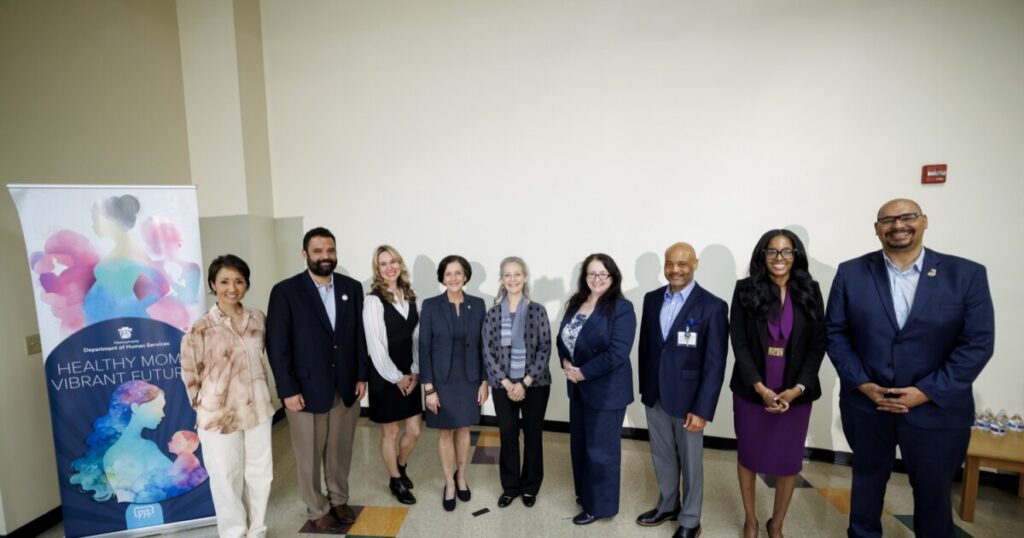
In response to these challenges, Governor Josh Shapiro’s administration has introduced the ‘Healthy Moms, Vibrant Futures’ strategic action plan. Developed through a five-year grant from the federal Health Resources and Services Administration and insights from 16 listening sessions, the plan aims to tackle maternal mortality and morbidity.
Sara Goulet, special advisor to the Pennsylvania Department of Human Services, emphasized the collaborative nature of the plan: “The Maternal Health Strategic Action Plan is really a collaborative effort, where I am here at Human Services, and we worked with the Department of Health, the Department of Drug and Alcohol Programs and the Department of Insurance, very collaboratively to put together the plan, with a lot of help from a lot of people within each of those four agencies, as well as stakeholders, advocates and a number of other community based organizations that we got involved over time, as well as all the wonderful people with lived expertise who we saw and heard from when we did our 16 listening sessions around the state.”
Addressing Maternal Health Disparities
The state is also grappling with a growing maternity care gap. As reported, 23 of Pennsylvania’s 67 counties, all classified as rural, lack hospitals with labor and delivery services.
Medicaid plays a crucial role in funding childbirth, covering 35.2% of live births in 2024, according to March of Dimes. However, changes anticipated from the One Big Beautiful Bill Act could impose work requirements on Medicaid recipients by 2027, potentially increasing the number of uninsured individuals.
KFF Health News projects a $911 billion reduction in federal Medicaid spending over the next decade, with $5.5 billion in cuts expected in Pennsylvania alone.
Implementing the Action Plan
The Perinatal Action Collaborative, founded by the Jewish Healthcare Foundation, will oversee the plan’s implementation. Carolyn Byrnes, the policy director at the foundation, noted that the collaborative has organized “five priority teams that coincide with the five focus areas of the strategic plan,” involving over 160 participants.
Current projects include a $150,000 investment in Phia Health, an AI platform for mental health screenings, and a doula apprenticeship toolkit. Additionally, the Family Health Council of Central PA will receive funding to provide car seats and safety education at WIC locations.
Focus on Behavioral Health
The plan’s top priority is enhancing the detection and treatment of behavioral health conditions due to the high incidence of post-partum related deaths. Postpartum care, often termed the “fourth trimester,” is crucial for maternal health, according to Shannon Hayward of Maternal and Family Health Services.
Pennsylvania recently secured $193 million from the federal Rural Health Transformation Program, which will support maternal health initiatives over the next five years. This funding aligns with the state’s efforts to improve healthcare access for rural residents.
Sara Goulet emphasized the importance of public input in the plan’s ongoing development: “We do want to hear people’s voices, and we do want their voices to help us make the changes that are going to make this plan successful and truly make maternal health not a crisis, because it’s a crisis now and we need to make that change.”