A Visionary Leadership for University of Michigan’s Innovation Journey in Detroit
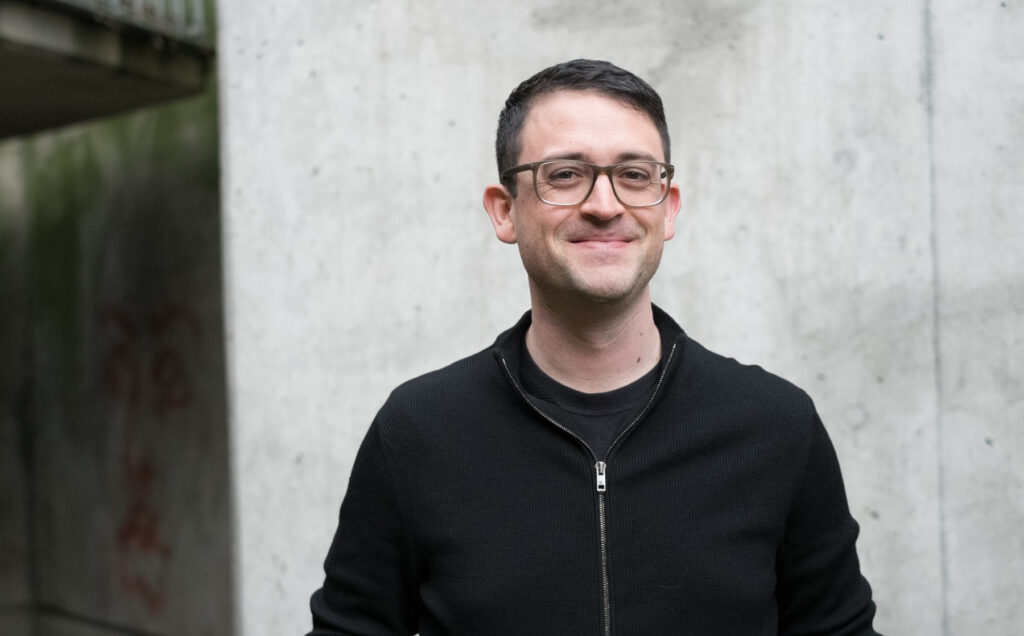
As Detroit gears up to host a groundbreaking center for research and innovation, the University of Michigan has appointed Bryan Boyer, an associate professor at Taubman College, to lead the initiative. Set to become a dynamic hub for education and entrepreneurship, the University of Michigan Center for Innovation (UMCI) aims to cultivate talent and advance technological development in Michigan’s economy.
Boyer, who has a strong background in architecture and strategic design, expressed his enthusiasm for the project. “What makes this opportunity compelling to me is Michigan’s particular mix of strengths, such as hard tech, manufacturing, and operations. But Michigan is also a place of deep community strength, grassroots organizing, and cultural brilliance,” Boyer stated. He emphasized the unique chance Detroit offers to merge technological and social innovation, especially with the accelerating impact of AI on the global tech landscape.
Having joined Taubman College in 2019, Boyer is a cofounder of the architecture studio Dash Marshall. His contributions to academia include the development of the pioneering Bachelor of Science in Urban Technology, a program that has seen considerable growth since its inception in 2021. This experience, coupled with his role at the Finnish Innovation Fund’s Helsinki Design Lab, highlights his capability to lead UMCI’s forward-thinking agenda.
The UMCI will be housed in a state-of-the-art, 200,000-square-foot facility in downtown Detroit, featuring cutting-edge classrooms, research labs, and public spaces. As the faculty director, Boyer will oversee the center’s diverse academic and research programs, starting with new graduate degrees. These offerings will focus on preparing students for future-oriented careers in sustainability, technology, and entrepreneurship.
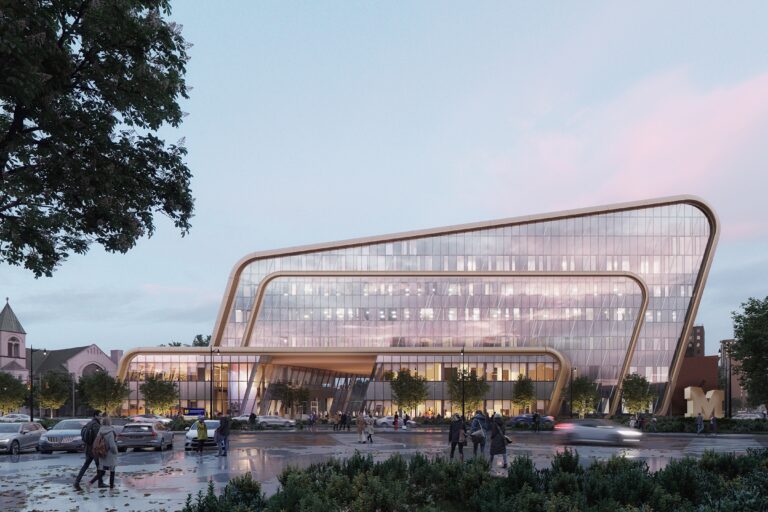
Among the first programs to be offered at UMCI is Taubman College’s new Master of Urban Technology. This one-year program builds on the success of its undergraduate counterpart by equipping students with the necessary skills to redefine the built environment, bridging disciplines such as architecture, design, and real estate.
Boyer envisions the UMCI as a platform for pioneering in education. “We have an obligation and an opportunity to rethink not only curriculum but the institutional forms that support it,” he said. He sees it as a place to experiment with educational models that are place-based, partner-shaped, and adaptive to the rapid changes driven by AI.