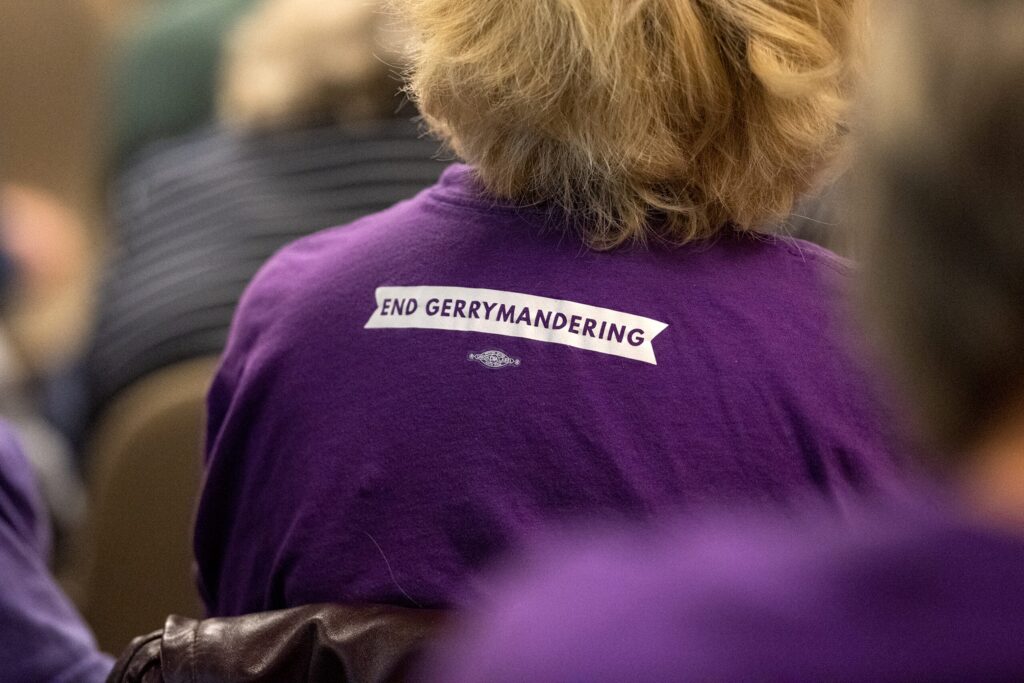
Wisconsin’s congressional map remains a contentious topic as another lawsuit challenging its structure has been dismissed. This marks the second recent judicial rejection of efforts to alter the state’s districting, which currently favors Republicans with a 6-2 advantage.
Law Forward, a liberal legal firm, initiated the case on behalf of Wisconsin Business Leaders for Democracy, claiming the map unfairly secures current incumbents’ positions, undermining voter choice. Despite these arguments, a three-judge panel concluded that the state Supreme Court is the only authority that can address such claims of excessive partisanship in districting.
In a 13-page decision, Judges David Conway, Michael Moran, and Patricia Baker acknowledged the plaintiffs’ detailed arguments but emphasized the existing precedent set by the state Supreme Court. They stated, “Until the Supreme Court says otherwise, Plaintiffs’ claims are non-justiciable and non-cognizable under Wisconsin law.”
Following the ruling, Law Forward’s attorney Doug Poland announced plans to appeal, asserting the uniqueness of this case in addressing “anti-competitive gerrymandering” rather than the conventional partisan approach.
Redistricting Disputes Continue Nationwide
The debate over congressional gerrymandering is part of a broader national conversation, intensified by former President Donald Trump’s encouragement of red states to favor Republican interests in redistricting, prompting similar responses from blue states.
This lawsuit, along with a related one, navigated an uncharted legal course in Wisconsin, bypassing a direct appeal to the state Supreme Court due to the current liberal majority’s reluctance to entertain new redistricting challenges. In June, the court dismissed two petitions that sought direct Supreme Court intervention in congressional redistricting.
In response, Law Forward and Elias Law Group filed new lawsuits invoking a 2011 Republican-backed law mandating three-judge panels for redistricting cases. The panels, established last November, dismissed the lawsuits, citing lack of authority over a previous state Supreme Court decision.
Legal Precedents and Future Implications
At the heart of these cases is a 2022 Wisconsin Supreme Court ruling, which upheld a “least change” policy in redistricting, resulting in maps closely resembling those drawn by Republicans a decade prior. The court’s conservative majority at the time barred partisan gerrymandering claims in state court, aligning with a 2019 U.S. Supreme Court decision.
Rick Esenberg of the Wisconsin Institute for Law and Liberty supports this adherence to precedent, while Doug Poland argues that anti-competitive gerrymandering, which protects incumbents across the political spectrum, requires separate legal consideration.
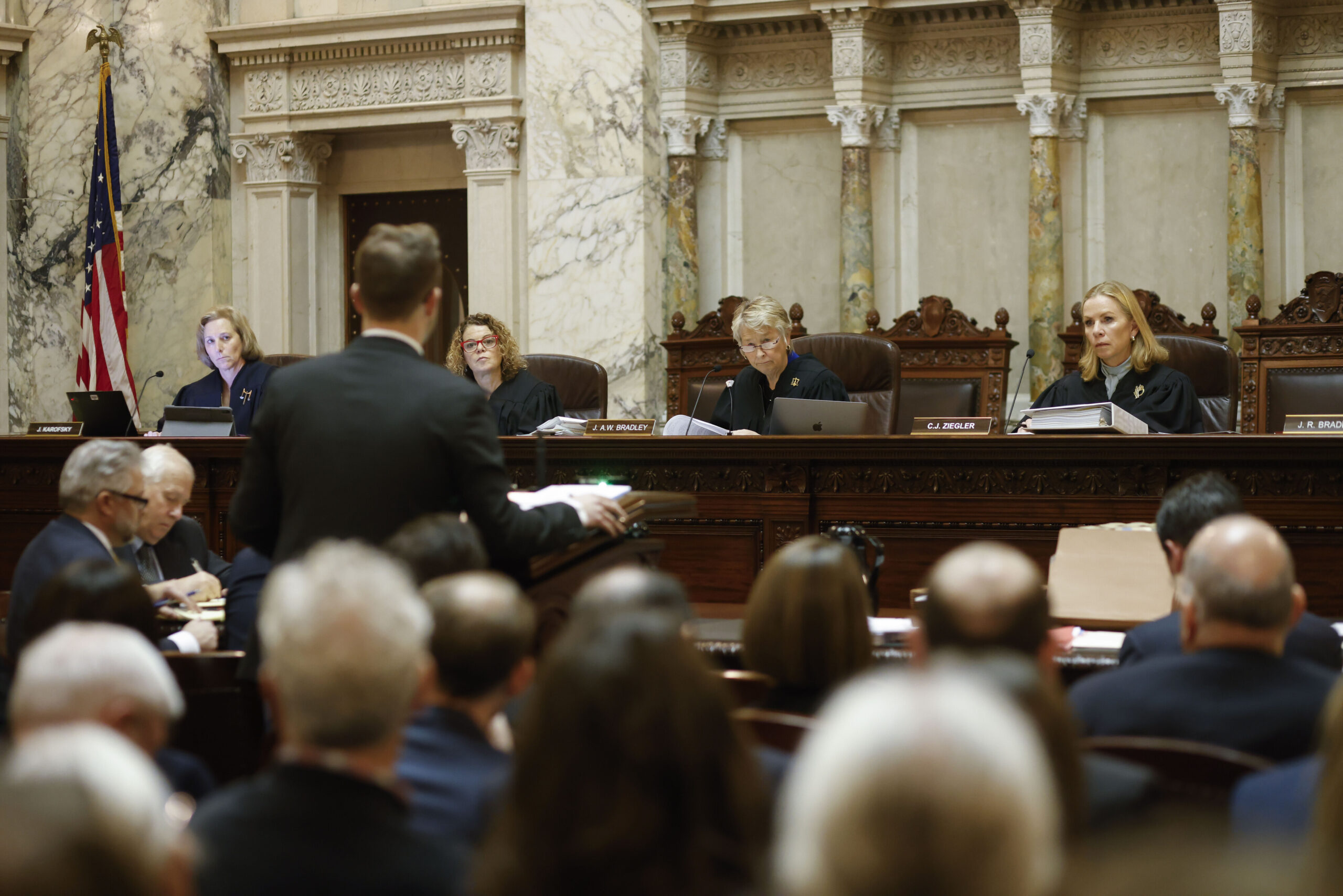
The outcome of Law Forward’s appeal to the Supreme Court could significantly impact the future of Wisconsin’s districting practices. Should the appeal fail, it might embolden the Legislature to pursue more aggressive gerrymandering strategies, though it will not alter the 2026 election landscape as the trial was set post-midterms.
The evolving legislative maps, influenced by court interventions in 2024, have made state legislative races more competitive, potentially affecting control in both legislative chambers.
For a deeper insight into Wisconsin’s redistricting history, listen to “WPR Reports: Mapped Out,” a podcast delving into the 2011 legislative map disputes and their lasting impact on the state.