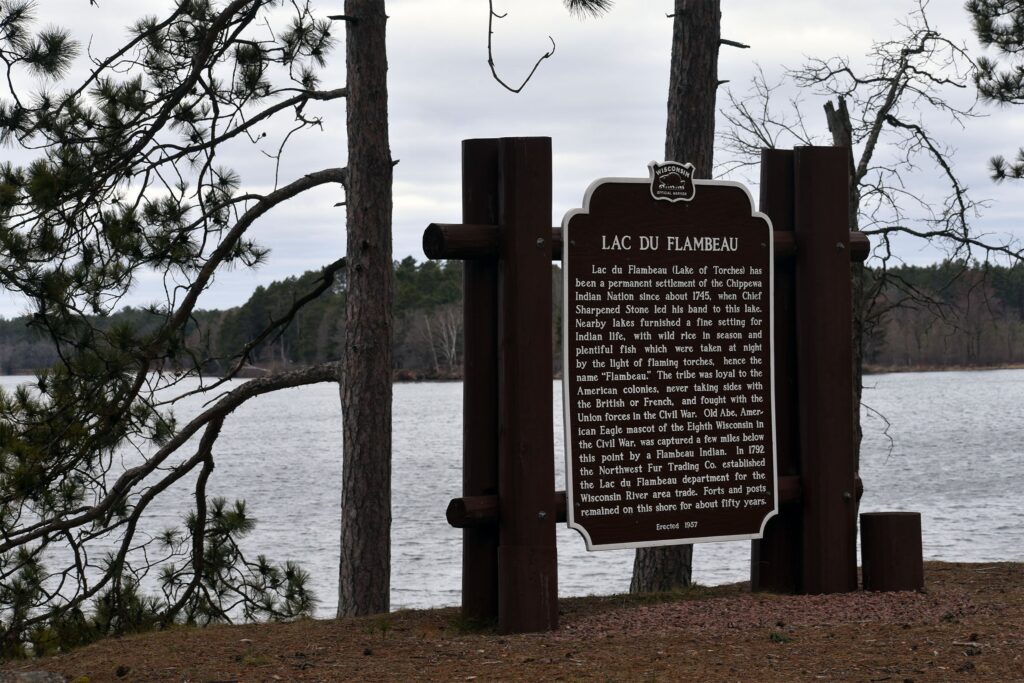
The delicate balance between tribal sovereignty and state regulations has once again come under scrutiny as a federal judge temporarily halted fishing restrictions imposed by the Lac du Flambeau tribe on nonmembers. This decision arrives amid ongoing legal disputes and highlights the complex interplay of rights and responsibilities on tribal lands.
U.S. District Court Judge William Conley issued a preliminary injunction preventing tribal leaders from limiting walleye and musky fishing for state-licensed fishermen on 19 lakes within the tribe’s reservation. This injunction builds upon a temporary restraining order that was put in place before the fishing season commenced.
In April, the Wisconsin state government initiated a lawsuit against the Lac du Flambeau Band of Lake Superior Chippewa. This legal step followed the tribe’s decision to enforce fishing bans, citing alarming declines in walleye and musky populations.
Judge Conley’s ruling stated that the tribe’s attempt to regulate nonmembers on lakes within its reservation challenges the state’s sovereign authority. He remarked, “(A)side from the potential, though largely unsubstantiated, harm to walleye and muskellunge populations from non-member anglers, the Band has identified no risk of harm to itself or the public that would flow from a temporary injunction.”
Governor Tony Evers voiced concerns over safety due to historical tensions and conflicts related to tribal fishing rights. The state maintains that prior court rulings affirm Wisconsin’s exclusive control over its navigable waters, including areas on tribal territories. Conversely, the tribe asserts its “inherent sovereign authority” to govern nonmembers on its lands.
The tribe argues that data from its fish hatchery and natural resources department support their concerns over fish population levels, noting that the restrictions applied to a limited number of the more than 200 lakes on their reservation. Tribal President John Johnson Sr. expressed disappointment over the ruling, stating, “This decision is disappointing, but it does not diminish the very real concerns we have about the future of our fisheries.” Johnson emphasized their commitment to preserving resources for future generations.
A 2025 report indicated that the tribe had collected a significant number of walleye eggs, with over half surviving. However, their efforts to gather adult muskies yielded minimal results. The Wisconsin Department of Natural Resources staff contested the tribe’s findings, with Joseph Hennessy stating in court documents that the data did not demonstrate significant risk or show nonmembers as a cause for fish population declines.
Sport fishing is a substantial economic activity in Wisconsin, generating over $1 billion annually. Walleye remains a popular target for anglers, while both walleye and muskies hold cultural significance for the tribe, whose members fish under treaty rights.
Previously, in 2022, the Lac du Flambeau Band closed Flambeau Lake to nonmembers for fishing, prompting state officials to ask anglers to honor the tribe’s request. The ongoing legal battle reflects the broader challenges of balancing ecological concerns with cultural and economic interests.