As health insurance costs skyrocket, retirees like Donna Gerhardt find their golden years overshadowed by financial concerns. After moving to East Stroudsburg from New Jersey in 2024, Gerhardt anticipated enjoying her retirement, but rising insurance premiums have disrupted her plans.
“I’m not having to give up on essentials, but certainly this hurts a whole lot more than I ever expected,” Gerhardt expressed. Not yet eligible for Medicare, she relies on Ambetter Pennsylvania Health and Wellness through Pennie, Pennsylvania’s Affordable Care Act marketplace. Her premium has surged from $576 to $1,495 monthly, following the lapse of federal subsidies.
Submitted by Donna Gerhardt
Gerhardt’s situation is emblematic of the challenges facing many Pennsylvanians as they grapple with rising healthcare expenses. Ambetter’s proposed rate increase of 40.90% for 2027 is the steepest among insurers. Despite requests for comments, Ambetter remains silent.
Rising Health Costs
The Pennsylvania Insurance Department has noted that insurers are asking for an average rate increase of 17.1% for individual plans and 11.5% for small businesses. “That is higher than we had hoped and reflects continued rising costs really across the healthcare environment,” said Michael Humphreys, the state Insurance Commissioner.
The expiration of the ACA subsidies on January 1, 2026, has exacerbated the situation, contributing to a significant number of Pennsylvanians, 191,000 to be exact, dropping their coverage from Pennie since the start of open enrollment for 2026. The average monthly premium has doubled due to the end of these subsidies.
BY THE NUMBERS:
● Proposed average 17.1% rate increase for individuals
● Proposed average 11.5% rate increase for small businesses
● 191,000 Pennsylvanians canceled Pennie health coverage since expiration of tax credits
● 102% average monthly premium increase for Pennie enrollees since expiration of tax credits
The Insurance Department closed public comments on the proposed 2027 rate hikes on August 22, aiming to finalize rates by November 1, coinciding with the start of open enrollment. Humphreys emphasized the importance of shopping around for more affordable plans, even if prices continue to climb.
Pennsylvanians Respond to Increasing Costs

Pennsylvania Insurance Department
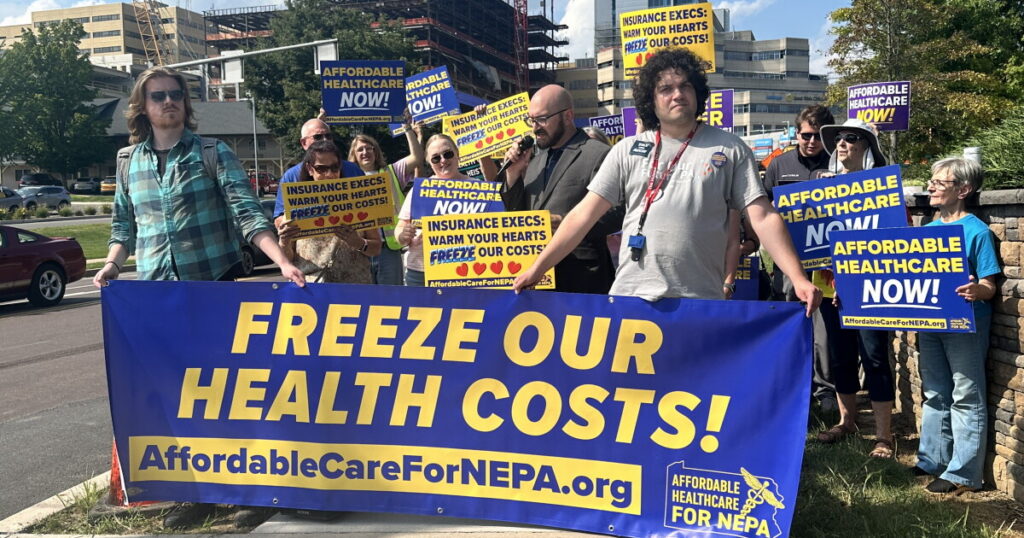
The advocacy group Affordable Healthcare for PA organized a ‘Care-A-Van’ to advocate for freezing insurance costs. The event highlighted the challenges faced by patients, with some seeing their premiums triple. Bette Grey, a patient advocate, noted, “The devastating increases in premiums, copays and deductibles have forced people with serious, chronic medical issues like diabetes and back pain to drop their coverage.”
Humphreys urged Congress to address the issue, emphasizing the challenges faced by nearly 200,000 Pennsylvanians who lost coverage. The annual open enrollment period, starting November 1, offers a chance for individuals to reassess their insurance plans. Gerhardt plans to explore alternatives to Ambetter in 2027, seeking a more affordable option before becoming Medicare-eligible.