Army Base Renaming Controversy Sparks New Legislative Action
The debate over the naming of U.S. Army bases continues to stir controversy, as the House Armed Services Committee has voted to once again rename Fort Bragg and eight other bases originally named after Confederate generals. This decision comes after a tumultuous series of name changes over recent years.
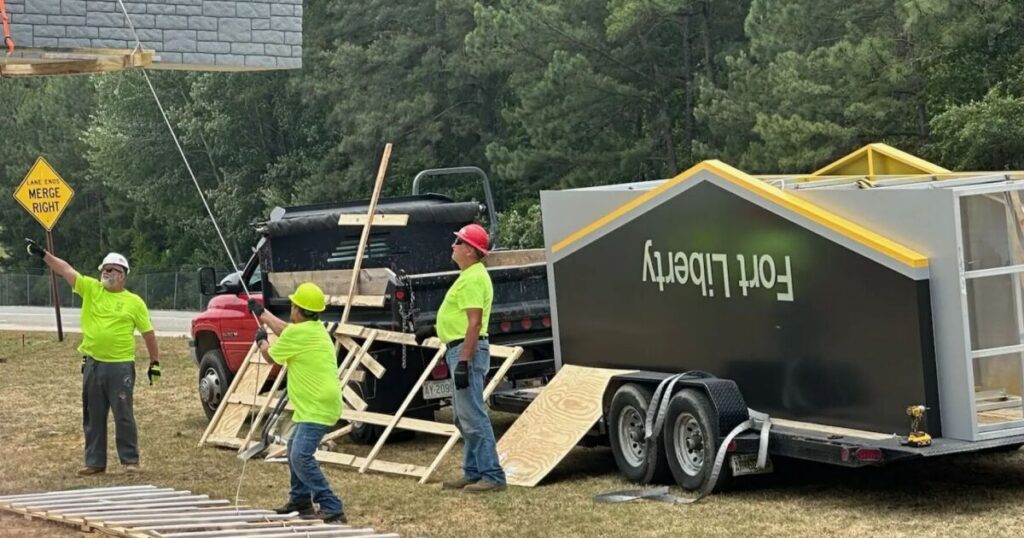
In 2020, Congress mandated the removal of Confederate names from military installations, a decision that was enacted despite a veto from then-President Trump. A federal commission undertook a detailed renaming process, engaging with local communities before selecting new names, such as changing “Fort Bragg” to “Fort Liberty,” which were implemented in 2023.
However, the following year, Secretary of Defense Pete Hegseth reversed these changes, citing a loophole in the law. He claimed that the bases now honored different individuals who shared the same last names as the Confederate figures. For instance, Fort Bragg was said to honor Private Roland L. Bragg, a World War II hero, rather than Confederate General Braxton Bragg. Similarly, Fort Lee was purportedly named after Private Fitz Lee, a Spanish–American War veteran.
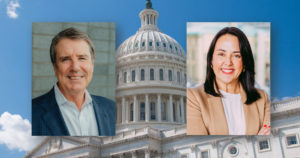
This maneuver has been met with criticism from both Democrats and some Republicans, who viewed it as an attempt to bypass congressional intent. Rep. Marilyn Strickland of Washington, who introduced the amendment to revert to the post-2020 names, emphasized the importance of correcting historical injustices and maintaining the integrity of the naming process established by Congress.
Some committee members, including Texas Republican Pat Fallon, questioned the decision to remove Confederate names, arguing that it could lead to erasing history. Fallon stated, “To judge historical figures by the morality of our time is taking certain things out of context.”
Disagreements about historical judgment were further highlighted by Rep. Gil Cisneros of California, who pointed out that figures like Washington and Jefferson fought for the nation’s independence, whereas Confederate leaders such as Bragg and Lee fought against it.
Maryland Democrat Sarah Elfreth clarified that the renaming efforts are not about erasing history but choosing which aspects of history to honor and elevate.
Despite these debates, the committee voted narrowly, 29 to 27, in favor of the amendment to revert to the non-Confederate names, with two Republicans joining Democrats in support. The renaming process has been costly, with significant expenditures on signage and software updates. The North Carolina Department of Transportation alone spent over $360,000 on changing highway signs for Fort Bragg’s renaming iterations.
Rep. Austin Scott of Georgia, the only elected official on the naming commission, expressed skepticism about the permanence of the current names under the existing administration but remains hopeful for future changes.
This story was produced by the American Homefront Project, a public media collaboration that reports on American military life and veterans.