Greensboro Water Restrictions Pose Challenges for Universities
In response to persistent drought conditions, Greensboro has enforced mandatory restrictions on lawn watering, impacting residents and institutions alike. With curiosity surrounding the impact on universities, one listener sought clarity on how these restrictions are administered across educational campuses.
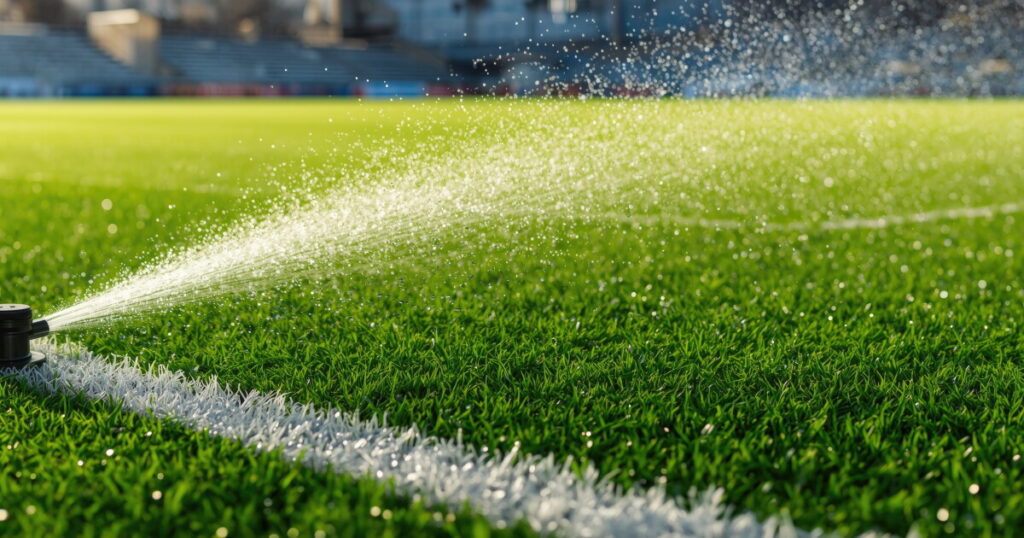
The city’s Stage II water shortage response plan strictly limits watering of lawns and shrubs to once per week, exclusively with hand-held hoses, containers, or drip irrigation systems. However, public, private, and institutional entities, including universities with playing fields, are subject to slightly different stipulations.
Greg Clarke, associate athletics director for facilities and operations at North Carolina A&T State University, outlines alternative compliance methods available to such institutions. “You can go punch in the control system that you want to water it for, say, 30 minutes, 20 minutes manually,” Clarke explains. “Or in the system, you can say, ‘Hey, I want to use,’ as in this case, they tell you to cut it by 40 percent. So you want 60 percent usage, and the controller will take care of your percentages and your watering.”
Watering for these institutions is restricted to nighttime hours between 10 p.m. and 5 a.m., presenting logistical challenges, especially during the Bermuda grass growing season from June to August. Clarke mentions that by the fall, the rapid growth subsides, easing the demand for water. “If you choose to overseed with a perennial rye or whatever type rye that you use, you may spend maybe a couple of days or so watering that in, but for the most part, your heavy use of water is behind you,” he notes.
City officials have indicated that the Stage II water shortage response plan will continue until conditions improve, with hopes for easing the restrictions in the near future dependent on favorable weather patterns.