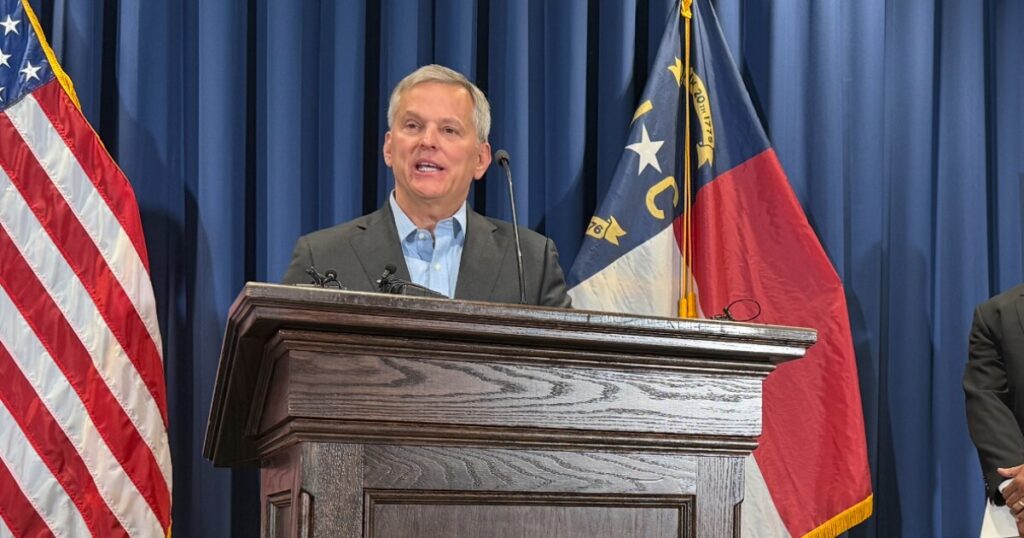
North Carolina may soon see a significant change in its tax policies concerning data centers, as discussions led by Gov. Josh Stein aim to phase out the state’s generous tax exemptions by the end of 2032. These exemptions have been a major draw for data centers, which receive tax breaks on construction costs, electricity, and equipment if they invest at least $75 million over five years.
The current setup allows data centers to benefit from sales and use tax exemptions without an expiration date, unlike many other states. Stein’s proposal, however, outlines a gradual repeal, with the first step ending the electricity exemption by the close of this year, alongside a new deadline for applying for sales tax exemptions.
Data centers applying for the exemption this year would face an accelerated timeline, needing to fulfill the $75 million investment by the end of 2028. The ultimate goal is to have all such tax exemptions sunset by 2032, aligning North Carolina with states like Georgia and South Carolina.
Gov. Stein has expressed concerns about taxpayers subsidizing the energy use of data centers, arguing that, “I’ve called on the legislature to be clear-eyed about the real cost of these tax breaks given to corporations, and I’m eager to work together to find the best path forward for our people.”
An assessment by the N.C. Department of Commerce estimates that if proposed data centers proceed, the state could lose between $1.5 and $2.3 billion during construction, followed by a potential $450 million annually.
Despite these figures, representatives from tech giants like Amazon have voiced concerns, noting that altering the tax structure could damage North Carolina’s business reputation. “The conversations happening currently are already creating significant uncertainty for the industry,” stated Khara Boender of the Data Center Coalition, emphasizing that changes might deter economic development.
Legislative Response to Tax Incentives
While Gov. Stein advocates for change, legislative leaders are considering how the proposed rollbacks fit into the state’s budget, which is expected soon. Senate leader Phil Berger has shown some support for revisiting these incentives, while House Speaker Destin Hall has argued for equal tax treatment across industries.
A recent bill passed by the N.C. House aims to prevent local governments from offering additional incentives to data centers. This move, led by Rep. Dean Arp, reflects concerns about the broader impact of data centers on electricity rates.
Rep. Terry Brown, collaborating with Stein, emphasizes the need to balance welcoming business with fiscal responsibility. He notes, “While we’re rolling out the welcome wagon, we want to make sure that we’re not losing our shirt at the same time.”
As North Carolina remains one of a few states without a sunset date on these exemptions, Brown suggests looking to neighboring states like South Carolina and Virginia for guidance on policy adjustments.