Asheville City Council’s Tax Rate Adjustment Sparks Confusion Amid Legislative Changes
Recently, the Asheville City Council approved a change in the property tax rate, a decision that, according to Mayor Esther Manheimer, adds confusion and breeds distrust among the public. While the alteration will not increase the overall revenue for the local government, it was deemed necessary following recent legislative actions.
City Attorney Brad Branham explained that the change was required due to actions by the state General Assembly. The assembly passed two bills that prevent Buncombe County from using newly assessed property values unless a revenue-neutral tax rate is adopted. Failure to do so would result in a projected revenue decrease of over $24 million for Buncombe County.
In response, Buncombe County’s Board of Commissioners unanimously decided to retain the older property values while increasing the tax rate, ensuring the county could support its $698 million budget adopted in June. Since Asheville must use Buncombe’s property values, this decision directly impacted the city’s financial planning.
Asheville’s Finance Director, Tony McDowell, highlighted the financial implications, projecting a shortfall of approximately $28 million if the June tax rate and old property values were used. The new tax rate of 50.78 cents per $100 in assessed value is calculated to have a “net-zero impact” on city revenue overall. McDowell estimated that a median home in Asheville, valued at $478,500 after the 2026 revaluation and $350,000 under old values, would see a tax bill reduction of about $26 annually.
However, individual outcomes will vary depending on changes in assessed valuations. Tax bills will decrease for properties whose 2026 values rose by at least 42% over their previous values, as presented by Buncombe officials.
Mayor Manheimer acknowledged the complexity of the tax rate changes and their potential to cause public confusion. She emphasized the city’s commitment to clear and transparent communication amid legislative challenges. “We’re going to do our best to continue to try to communicate with clarity and transparency to the community, and handle all these maneuvers that the legislature threw at us at the last minute,” she stated.
Council member Bo Hess expressed his dissatisfaction with the legislature’s role, noting that Asheville has not solicited Raleigh’s intervention in local matters. Both Vice Mayor Antanette Mosley and Council member Sage Turner opposed the tax rate change, consistent with their prior votes against the city’s budget in June. Member Kim Roney, attending remotely, indicated she would have also voted against the change.
Due to these recent developments, Buncombe County’s property tax bills, typically mailed in August, will be delayed. They will be made available online as soon as possible.
Additional Developments
- The council also reverted the tax rate for the downtown Business Improvement District to its previous rate of 8.77 cents per $100. This adjustment is expected to have minimal effect on BID revenue, which funds the downtown ambassador program and other services.
- Following the vote on tax rates, the council entered a closed session, justified by state law to discuss confidential matters and personnel issues. Additional closed sessions are scheduled for later this month, a move reminiscent of the process to select a successor for former City Manager Debra Campbell.
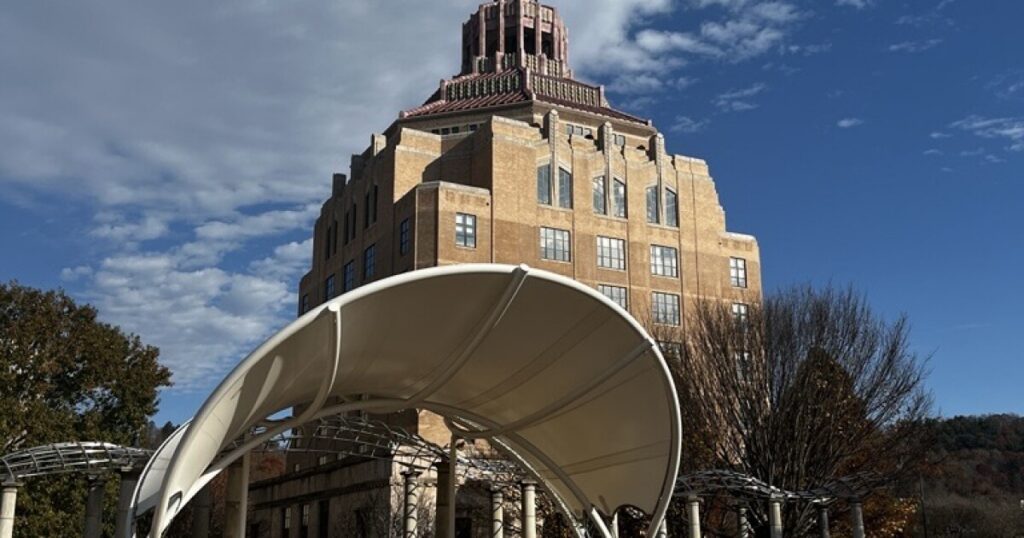
Asheville City Council’s regular meetings occur every second and fourth Tuesday at City Hall. The next meeting is scheduled for July 28. For more details, see the full recording and presentation from the July 15 meeting.
Editor’s Note: This article has been updated to accurately reflect changes in property taxes under Buncombe County’s new plan.