USDA’s Strategic Shift: Potential Relocation of Researchers to Nebraska
The U.S. Department of Agriculture is contemplating a plan that could see its researchers moving to Nebraska, following the decision to close a significant research facility near Washington D.C. While Nebraska’s academic community sees potential benefits, the details of this relocation remain vague, leaving the extent of its impact uncertain.
In a strategic move slated for July 2025, the USDA revealed its intention to shut down the Beltsville Agricultural Research Center (BARC) in Maryland, part of a broader departmental overhaul. An April statement mentioned that employees would be relocated to various USDA facilities nationwide.
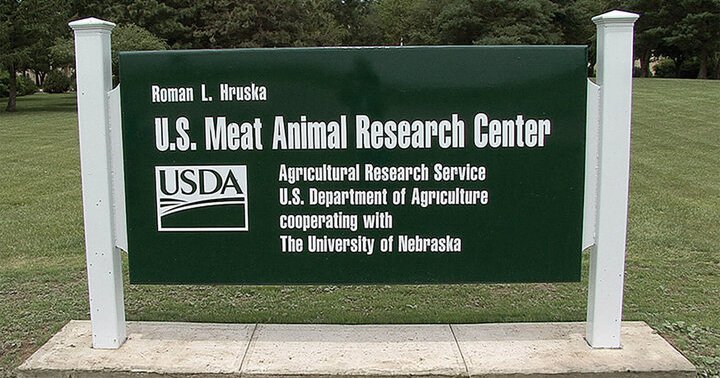
One prospective destination is the U.S. Meat Animal Research Center (USMARC) in Clay Center. This facility focuses on animal health, food production, and environmental quality. It employs scientists from the Agricultural Research Service (ARS), a USDA branch dedicated to research funding and execution.
Derek McLean, the dean and director of the Agricultural Research Division at the University of Nebraska, emphasized the synergy between USDA scientists and Nebraska researchers. “The mission of our researchers to help support Nebraska agriculture, to help develop new innovations…strongly overlapped with the ARS mission,” he noted.
McLean expressed enthusiasm for the potential arrival of ARS scientists to Nebraska, viewing it as a boon for local and national agricultural research. However, the specifics of how personnel will be allocated remain undisclosed, with a USDA representative assuring that the department will maintain open communication during the restructuring.
ARS Researchers’ Deep Commitment
Matt Spangler, a University of Nebraska-Lincoln professor, has a longstanding collaboration with USMARC on projects that advance the beef cattle industry. He lauds the dedication of ARS researchers, saying, “They deeply care about the industries that they serve. They understand the industries very well.”
Spangler highlighted a collaborative effort that led to the development of a tool aiding cattle ranchers in assessing economic impacts of genetic traits. “This web-based decision support software…helps people actually make decisions,” he explained.
Despite the potential benefits of more ARS personnel, Spangler acknowledged the uncertainty surrounding the USDA’s reorganization plan. Past staff reductions have already impacted research progress and outputs.
The ARS workforce experienced a notable decline during the early years of the second Trump administration, with a 30% decrease nationwide. Currently, Nebraska hosts 131 ARS employees, down from previous numbers, per U.S. Office of Personnel Management data.
The staffing cuts also affected the ARS facility in Lincoln, which focuses on crop management and improvement. Katherine Frels, a UNL professor, stressed the importance of replenishing expertise lost due to retirements and programmatic changes.
Frels pointed to the critical role of ARS researchers in developing wheat varieties, emphasizing that their collaboration strengthens the research network across states. “They facilitate this interaction between wheat breeders across multiple states, and it makes us all better for it,” she stated.
BARC’s Future: A Commitment Question
Currently, BARC spans nearly 7,000 acres with around 400 buildings, a short drive from Capitol Hill. Established in 1910, its researchers have historically contributed significantly to food safety and agricultural production advancements.