Wisconsin Students Revive Print Journalism with High School Newspaper
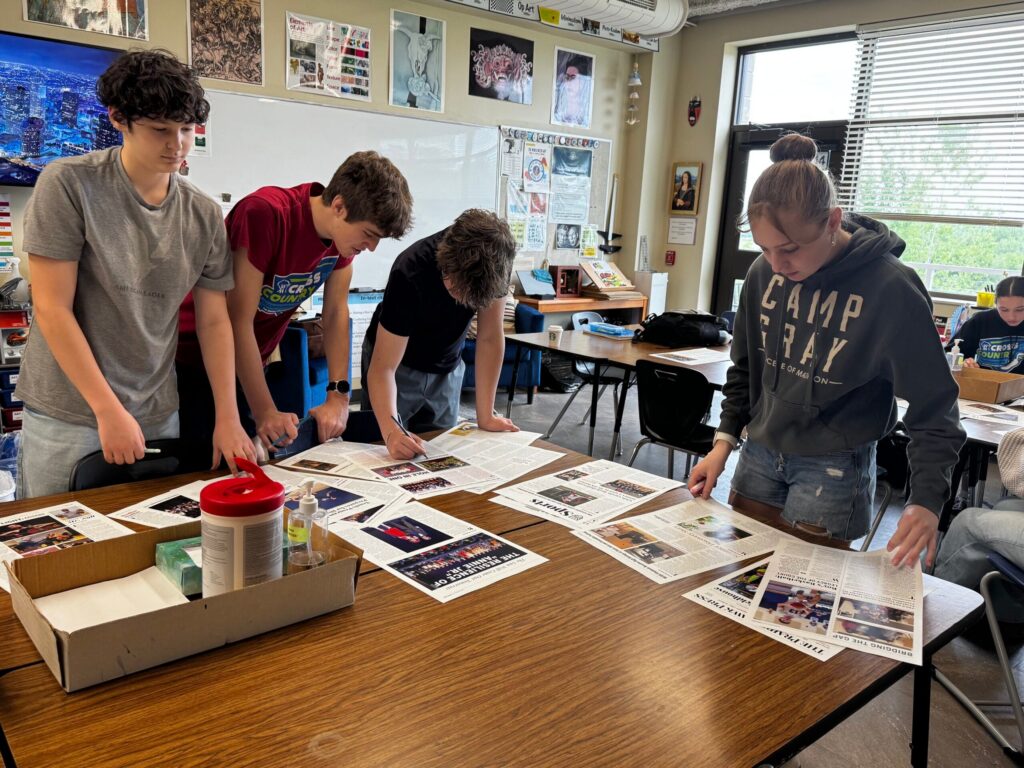
In a digital age dominated by social media, a group of Wisconsin high school students is embracing a traditional medium: print journalism. These students are making waves with the launch of their own newspaper, the Prairie Hawk Press.
The inaugural edition of this student-run newspaper was unveiled in late May, marking the end of the semester at Madison Country Day School in Waunakee. Spearheaded by ninth graders Eleanor Moyers and Oliver Koziol, the project aims to publish quarterly editions in the coming school year. The duo recently shared insights with Rob Ferrett of “Wisconsin Today”.
The Motivation Behind a Print Edition
Rob Ferrett: Why did you choose to create a print newspaper?
Eleanor Moyers: We believe it’s crucial for student voices to be heard. A print edition is tangible and allows us to share stories about our peers in a way that can be physically experienced.
Highlighting Student Achievements
RF: What impact do you hope your newspaper will have on your school community?
Oliver Koziol: Many students engage in activities outside of school that often go unnoticed. Our newspaper provides a platform to showcase these stories, like a student involved in orchestra, highlighting talents and achievements that deserve recognition.
Lessons in Journalism
RF: What have you learned through this process?
EM: Personal interviews offer richer stories than digital correspondence. Conversations reveal details and insights that emails might miss.
OK: Writing in journalism differs from academic papers. We use the inverted pyramid style, starting with the most crucial information.
Overcoming Challenges
RF: What challenges did you face in creating a newspaper from scratch?
OK: Designing the layout was challenging, especially learning new tools like Adobe InDesign.
EM: Keeping everyone motivated for writing and production was tough. However, team sessions with snacks helped maintain enthusiasm.

Impact on News Consumption
RF: How has this experience influenced your view of news?
OK: It made me more discerning about news authenticity, distinguishing between real, exaggerated, or minimized stories.
EM: I now notice how professional articles structure quotes and information, similar yet more advanced than our work.
Inspiring Future Journalists
RF: Are students eager to join the newspaper team?
EM: Yes, our newspaper covers the entire school, encouraging participation from all grades, including middle school contributors.

Advice for Aspiring Student Journalists
RF: What advice would you give to other schools interested in starting a newspaper?
OK: The initial idea is the hardest part. Once you start and seek guidance from an advisor, it gradually expands, leading to a full-fledged publication.