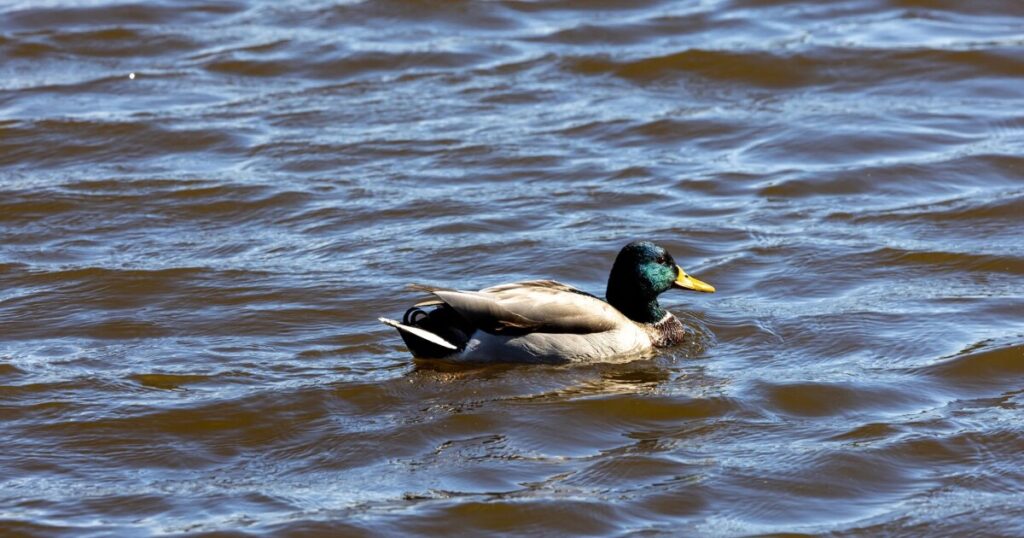
Ducks, Geese, and Swans: Key Players in Bird Flu Transmission
Recent findings from the University of Georgia have highlighted the significance of waterfowl movement in the spread of bird flu. The study indicates that the way ducks, geese, and swans navigate regions with ample resources such as food, water, and shelter, especially within human-altered landscapes, can significantly influence the dispersal of the virus.
While these birds tend to stay within localized areas, this behavior can result in concentrated outbreaks, creating potential “hotspots” for the virus. The research analyzed movement data from over 4,600 birds spanning 26 different species, collecting insights over a 20-year period and focusing on daily movements outside of their major migrations.
Experts involved in the study emphasize that understanding these shorter, regular movements is crucial. Such patterns play an equally important role as the long migratory journeys in the transmission dynamics of the highly pathogenic avian influenza, known as H5N1. This understanding could be pivotal in shaping future strategies to prevent the spread of this virus.