Impact of Wildfire Smoke on Air Quality and Health: A Closer Look
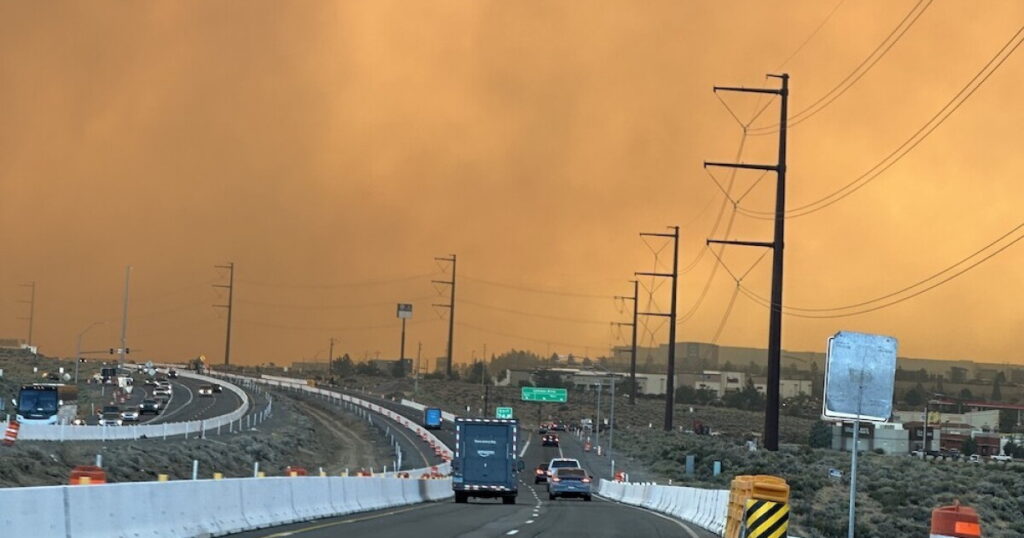
Wildfires bring more than just flames; the aftermath often includes smoky skies and a plethora of health concerns. As the smoke drifts away, it leaves behind a trail of microscopic pollutants that linger in the air, affecting both the environment and public health.
Research conducted by the Desert Research Institute shines a spotlight on the tiny but significant pollutants known as particulate matter. These particles significantly degrade air quality during wildfire events. The study highlighted that during smoke days, the concentration of air pollutants surged by six to ten times compared to non-smoke days, with some pollutants surpassing the safety standards set by the EPA.
Vera Samburava, an atmospheric scientist, explains the hazards posed by these particles, specifically PM 2.5. “These particles are so small; they usually go deeper into our respiratory system, and they’re not stuck in the nose or throat. They go deeper into the lungs. They can even go into the bloodstream,” Samburava noted. This makes PM 2.5 particularly dangerous for sensitive groups such as the elderly, children, athletes, and those with preexisting respiratory issues.
The size of these particles facilitates their entry into the human body, raising concerns about their potential to cause health problems. Ongoing research nationwide is probing the possible connections between elevated PM 2.5 levels and increased emergency room visits.
In areas like Reno, the smoke from distant wildfires can linger for weeks. Although the distance usually reduces the smoke’s concentration, interactions with sunlight and local emissions can alter the particulate matter, impacting air quality. With wildfires in the West growing more frequent and severe, the long-term health implications for at-risk populations remain a critical area of inquiry.
Samburava emphasized the inevitability of future wildfires, stating, “We will have more fires. We will have larger fires, we will have more intense fires, and we need to learn how to live with the fires.” She suggests that while home air-filtering systems are beneficial, individuals can also adopt other preventative measures. This includes checking air quality levels before engaging in outdoor activities, spending more time indoors, and avoiding activities like vacuuming when smoke levels are high.