For Wisconsin residents eager to participate in elk hunting, the deadline for submitting applications is fast approaching. With only a limited number of 16 tags available, interested hunters must submit their applications by May 31.
Eligibility for these tags is exclusive to state residents. The Wisconsin Department of Natural Resources (DNR) emphasizes that when the elk hunting licenses allocated are 100 or fewer, only Wisconsin residents can apply. The selection of tags is determined through a drawing scheduled for June.
This year, the state offers a total of 16 tags. Hunters can apply for a fee of $10, as stated by the DNR. Approximately 600 elk populate Wisconsin, divided into a northern herd near Sawyer County and a central herd around Jackson County.
For the northern herd, only four bull elk tags are available, while the central herd has an allocation of six antlerless and six bull tags.
Additional hunting rights are held by groups such as the Ojibwe tribes under federally recognized treaties. The Great Lakes Indian Fish and Wildlife Commission outlines specific regulations for these hunts.
According to DNR elk biologist Joshua Spiegel, the northern herd is located within ceded territories, allowing the Ojibwe to declare 50 percent of the elk quota for harvest. This results in four licenses being available for the statewide draw this year.
Spiegel notes that the hunting season marks a significant conservation achievement. Elk, once native to Wisconsin, had vanished by the early 1900s, but efforts to reintroduce and grow the herds have seen success over the years.
“On average we’re having about 25,000 hunters put in the application process annually,” Spiegel said. “That really goes to show the commitment that our Wisconsin hunters have.”
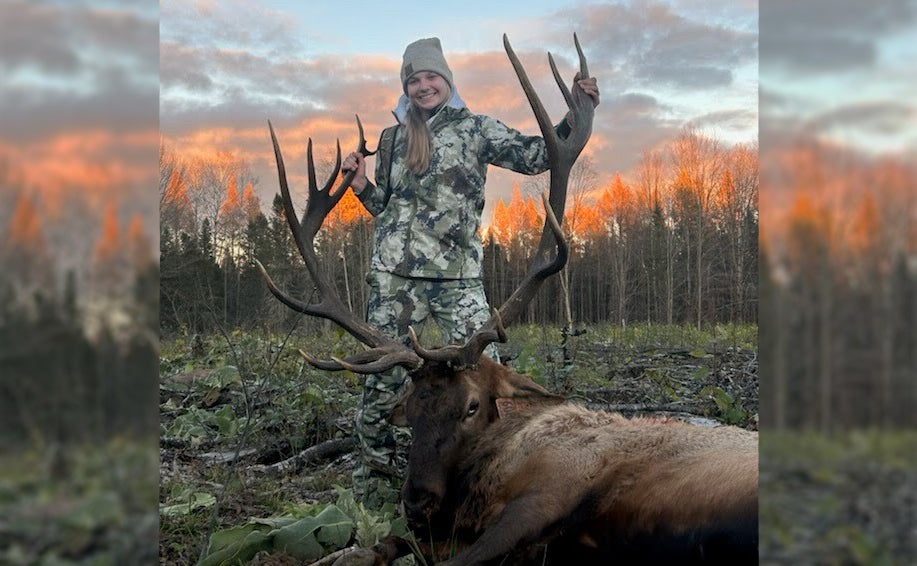
The probability of securing a tag is notably low. One fortunate recipient, 16-year-old Bria Pank, successfully hunted her first elk last year despite having a broken leg.
“It was really cool to learn, go to the meetings and learn about how they got here,” Pank said. She collaborated with Spiegel and the DNR to deepen her understanding of native elk.

Efforts to reintroduce elk began in the 1990s with the DNR’s initiatives. While northern hunts commenced in 2018, the central zone only began its hunting season in 2024. Spiegel mentions that $7 of the $10 application fee aids in herd stability and research, directly supporting repopulation, management, and habitat protection.
Last year, both state and tribal hunters harvested 15 elk. Notably, 2025 marked the first season allowing hunts for female elk.
Bria’s family invested considerable time in understanding the herds’ history, with her father, Jeremy, scouting the Flambeau Lake area.
“Pretty much all the people that I spoke with were willing to share any information they could, and especially once they found out the tag belonged to my daughter,” Jeremy said.
During Bria’s hunt, two bull elk were spotted just beyond her reach due to her cast, but her father ensured she didn’t miss the opportunity. “I ended up putting her on my shoulder and carrying her, and got her set up in position to get a shot,” Jeremy said.
“I had my scope on him, and we realized it was the one we’ve been looking for,” Bria said. Two shots later, she successfully bagged an elk, one of the few in Wisconsin for 2025.

“I was just so happy that we were able to actually fill the tag and get one,” she said. Jeremy added, “We spent more time together in three weeks of hunting together than we ever have. That was very special for me.”
The DNR also facilitates guided hunts for individuals with disabilities, novice hunters, youth, or those from metropolitan areas. Looking ahead, Spiegel suggests the possibility of opening licenses to nonresidents, although this remains contingent on population thresholds. “We have a smaller population of elk and a very conservative tag allocation annually, we’re still in the category where it’s resident only,” he said. “Because we haven’t hit that threshold, we’re not there yet.”