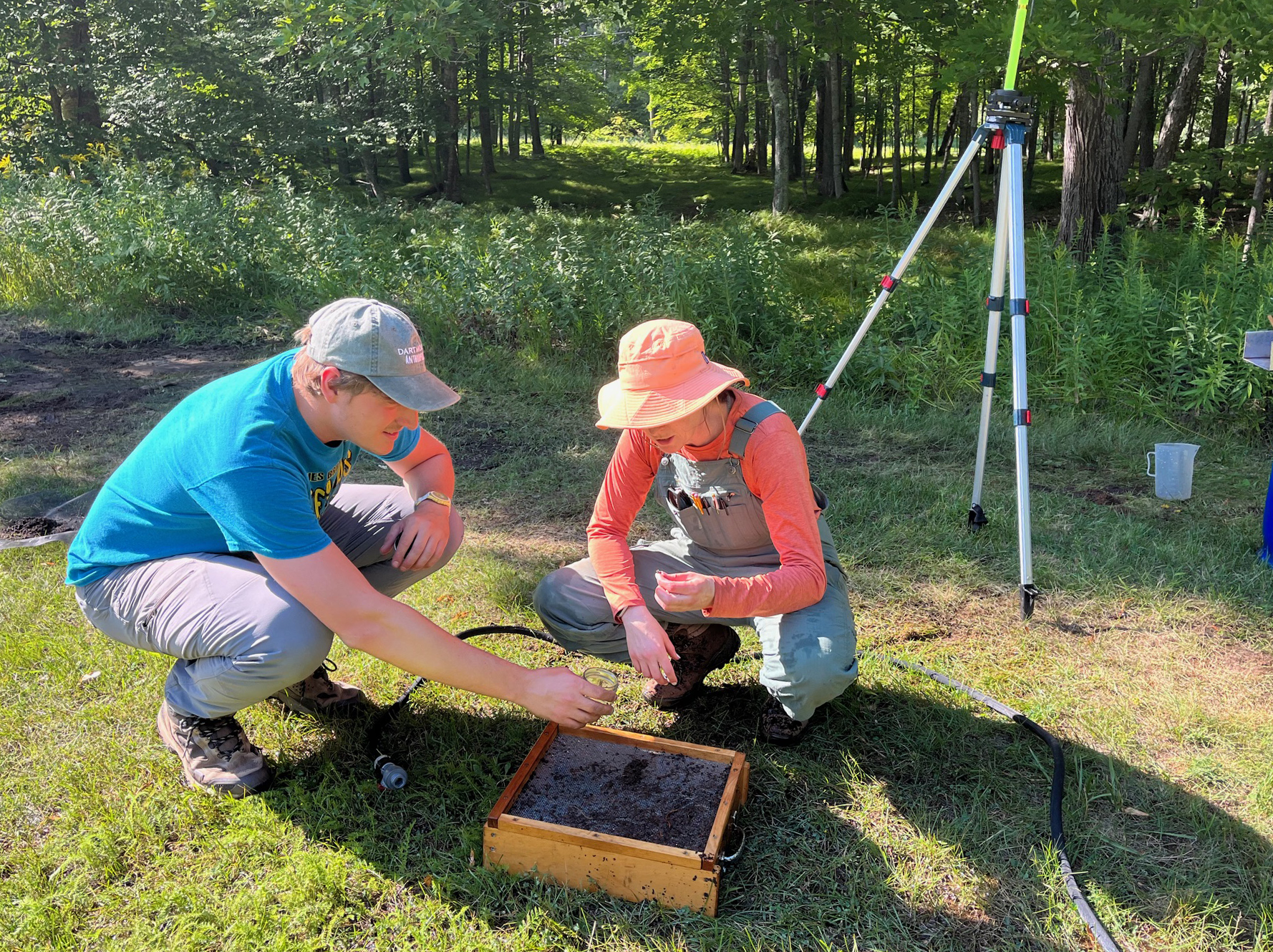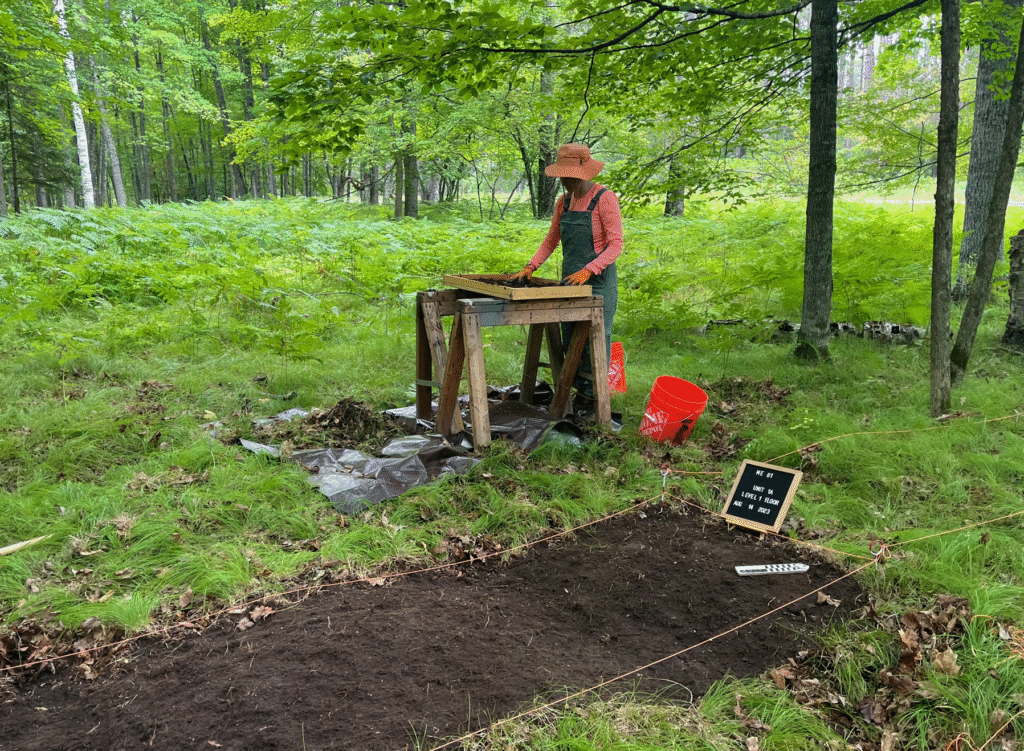
Recent archaeological findings along the Menominee River, straddling Wisconsin and Michigan’s Upper Peninsula, have unveiled what could be the most extensive ancient Native American agricultural site in the eastern United States. This groundbreaking discovery challenges previous assumptions about the scale of farming in precolonial North America.
Employing drones and advanced laser technology, a team of researchers from Dartmouth College identified raised gardening beds along the river, providing evidence that the ancestors of the Menominee Indian Tribe of Wisconsin engaged in large-scale agriculture around 1,000 years ago.
Led by Madeleine McLeester, an assistant professor in Dartmouth’s anthropology department, the research team collaborated with Menominee Tribal Historic Preservation Officer David Grignon and the late archaeologist David Overstreet from Wisconsin.
Speaking to WPR’s “Wisconsin Today,” McLeester noted, “In this area, you would not expect to have such extensive agriculture.” The Sixty Islands site, as it is called, posed challenges due to its northern location, the Little Ice Age, and the relatively small size of ancestral Native American communities in the region.
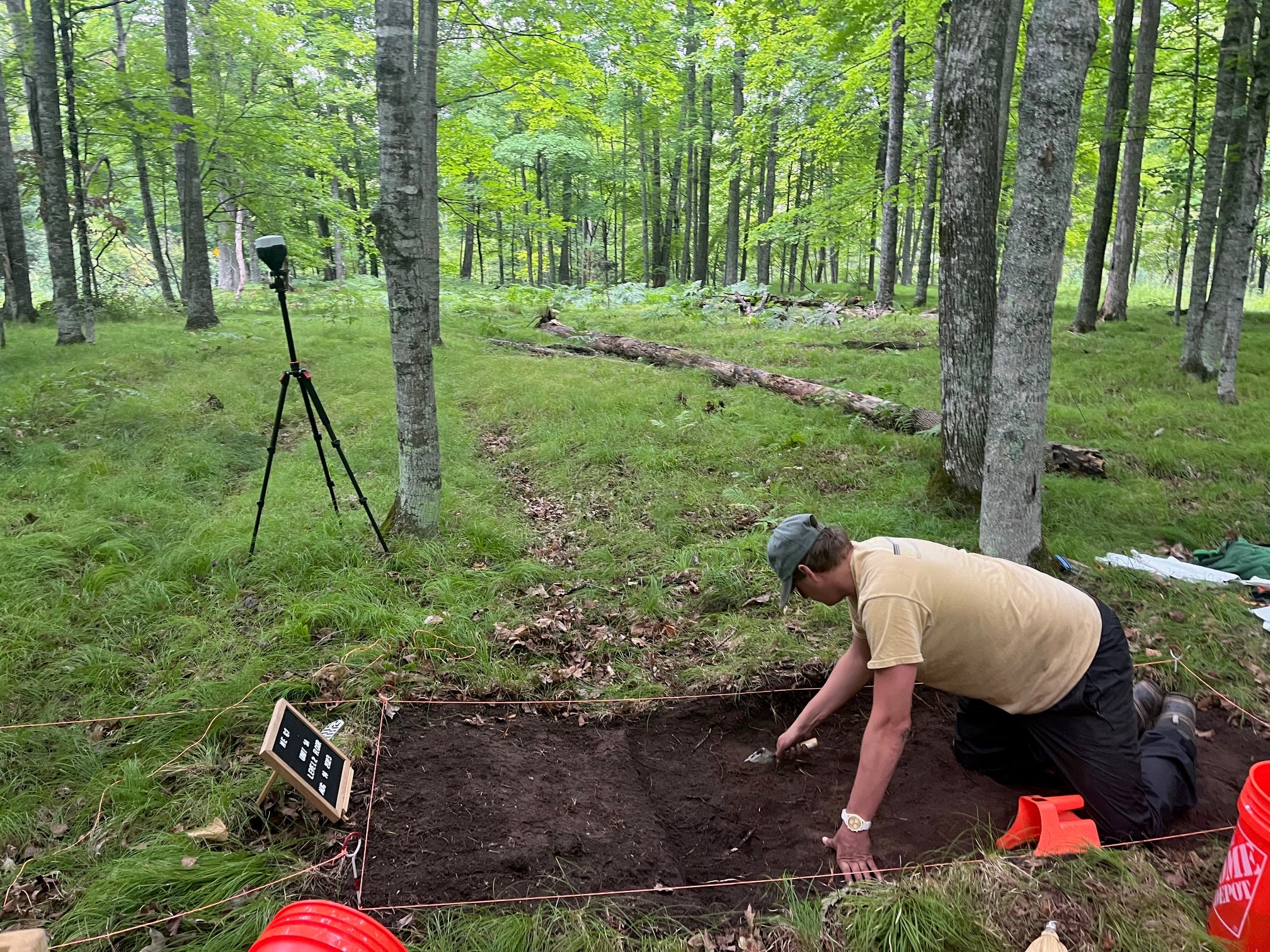
In a report published in “Science,” McLeester speculates that if such farming operations existed in small communities under harsh conditions, larger societies in more favorable areas might have been even more extensive. “As archaeologists, we’ve grossly underestimated the scale of ancestral Native American farming in North America,” she stated.
Preserving the history of the Menominee
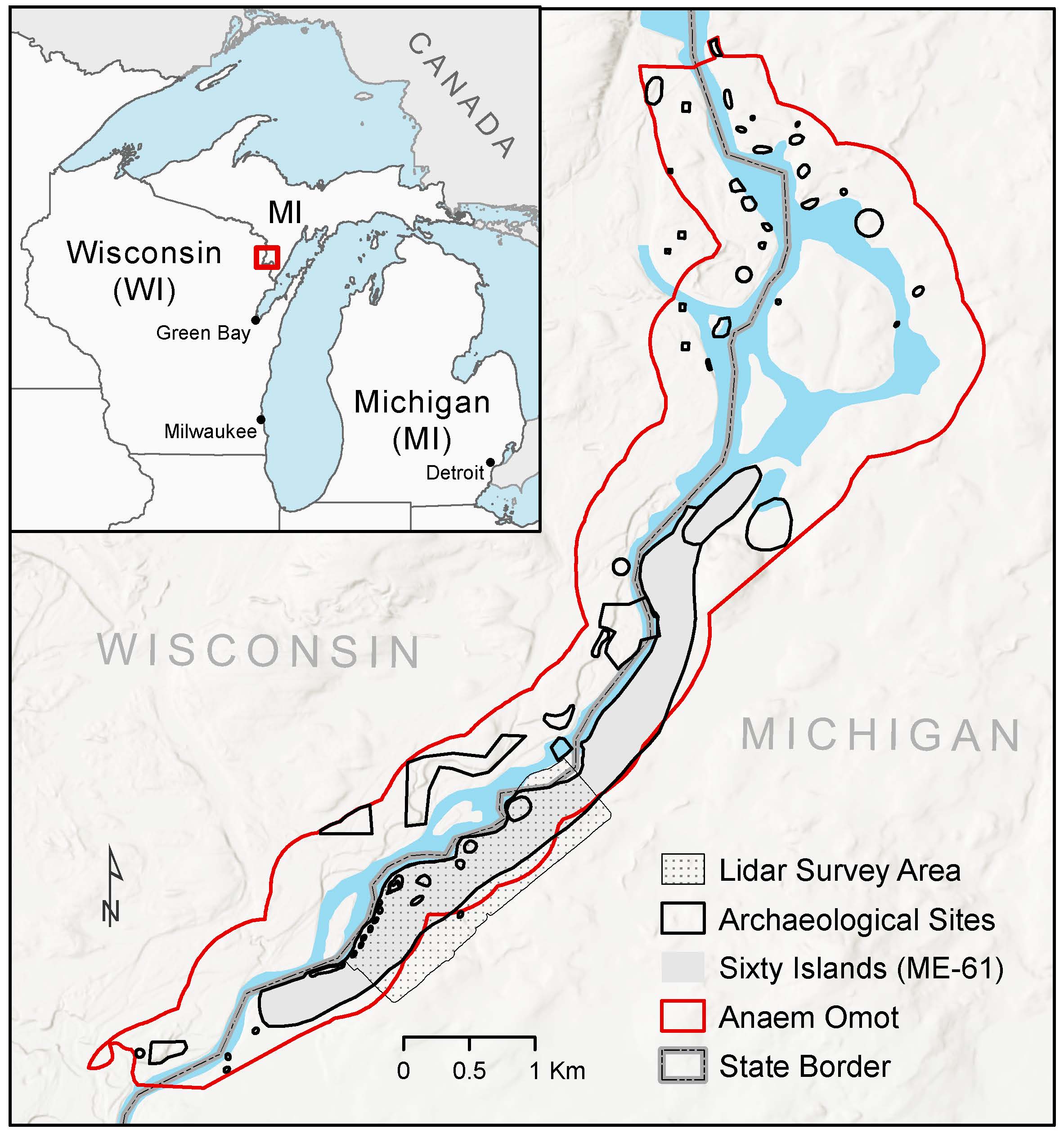
Sixty Islands is located in the Anaem Omot area, or “Dog’s Belly,” a culturally significant region for the Menominee tribe. Grignon stated, “The Menominee people lived on the Menominee River for thousands of years. Our creation story took place at the mouth of the Menominee River, and we have several occupation sites up and down the river.”
In 2023, Grignon, Overstreet, and other tribe members succeeded in listing the site on the National Historic Registry to acknowledge the tribe’s historical ties and to protect the area from future development.
Overstreet, who passed away in January, had worked with the Menominee since the 1960s, building a strong relationship with the tribe. Grignon reflected, “The relationship between the archeologists and the tribe was really good, and it still is today.”
Grignon and Overstreet encouraged McLeester’s team to investigate Sixty Islands further. In addition to raised gardening beds, the team discovered features like burial mounds and a dance ring.
New laser technology reveals hidden features
The research team used drone lidar technology to map the site with unprecedented detail. Unlike traditional aerial methods, the drones fly closer to the ground, revealing more intricate topographical features.
“This is some of the earliest data with drone lidar,” McLeester said. “I think with this new technology, we’re going to find more and more of these agricultural sites across North America in unlikely places.”
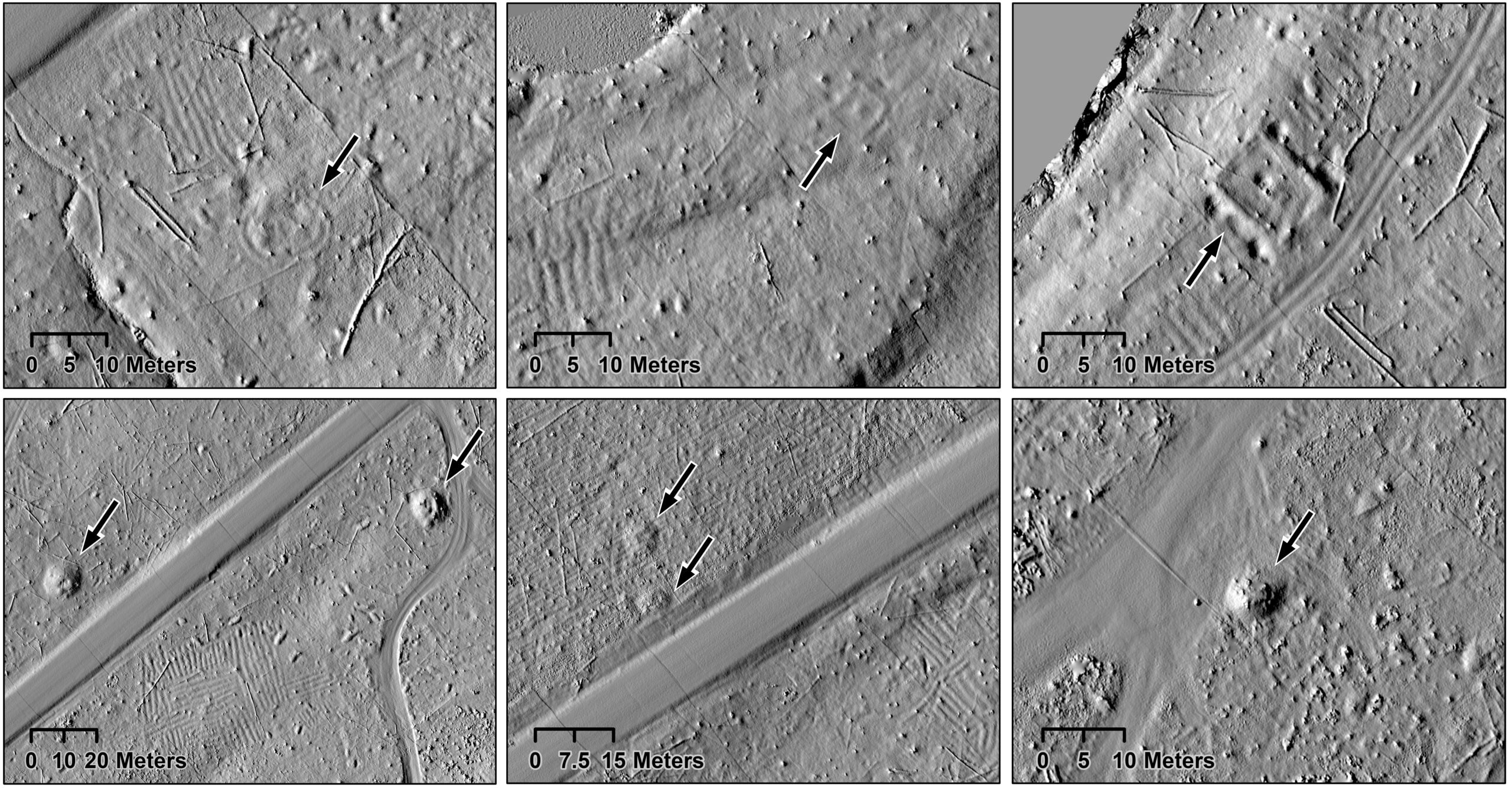
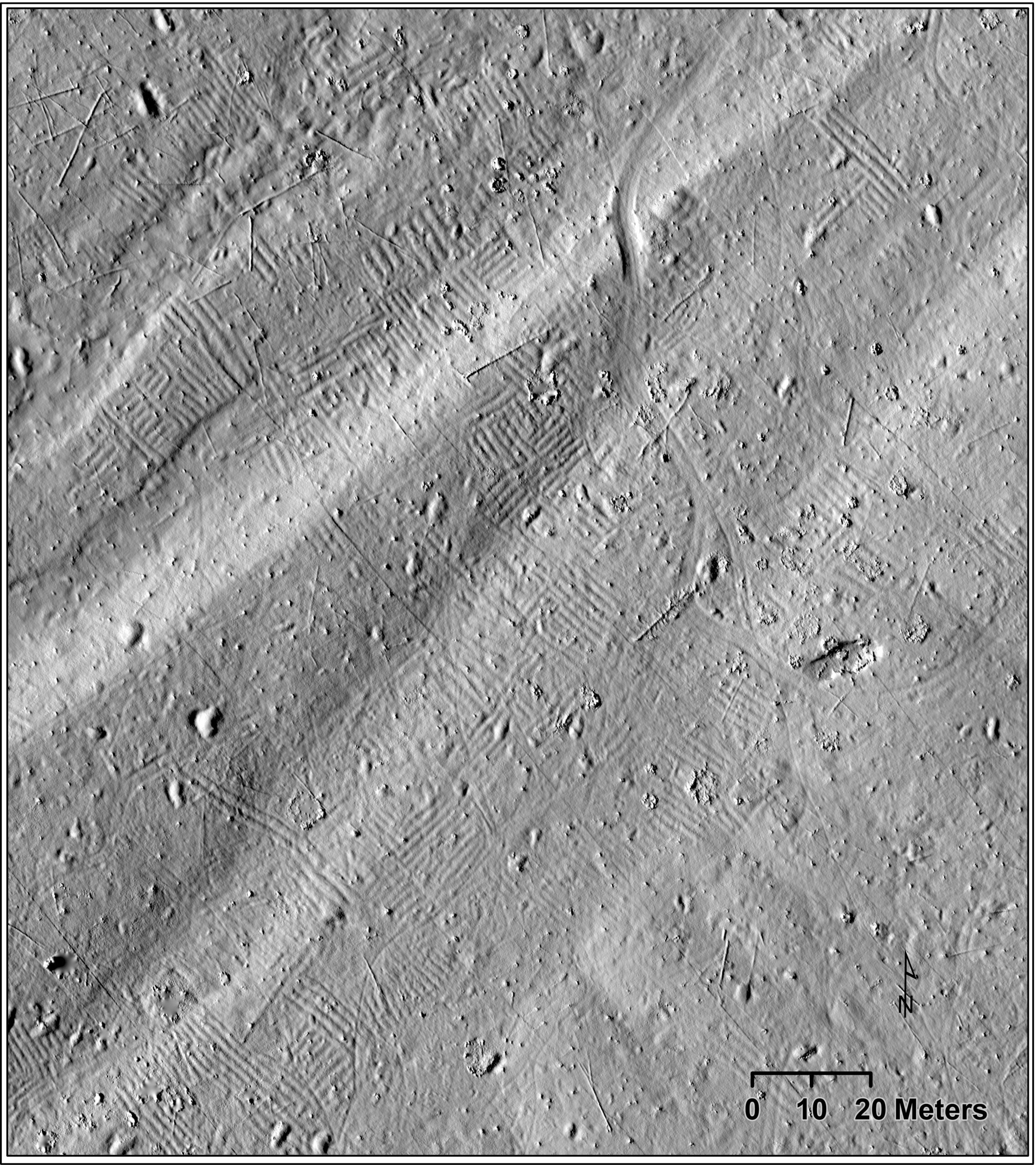
The drone lidar data revealed raised gardening beds over a 95-hectare area, 10 times larger than previously mapped. The ridges are more densely packed and extend beyond the known survey area.
“There’s huge portions of the site, potentially, that are still not yet known,” McLeester noted.
These raised beds were once common throughout the eastern U.S. but have become rare due to development and farming by Euro-Americans on prime agricultural land.
“They would have been the most common archeological feature, and now they are among the rarest,” McLeester remarked.
These findings suggest that intensive agriculture could exist without the societal pressures typically associated with it, such as population density or hierarchical structures.
McLeester and her team continue to explore the area to uncover more about how these early communities thrived. “I’m really interested in how farming this far north was this successful. What are people adding to the soil to make the crops grow so successfully?” she pondered. “I’m also wondering: Where is the village? We have tremendous, extensive agricultural features that could feed a lot of people. So I’m very curious where they were all living.”