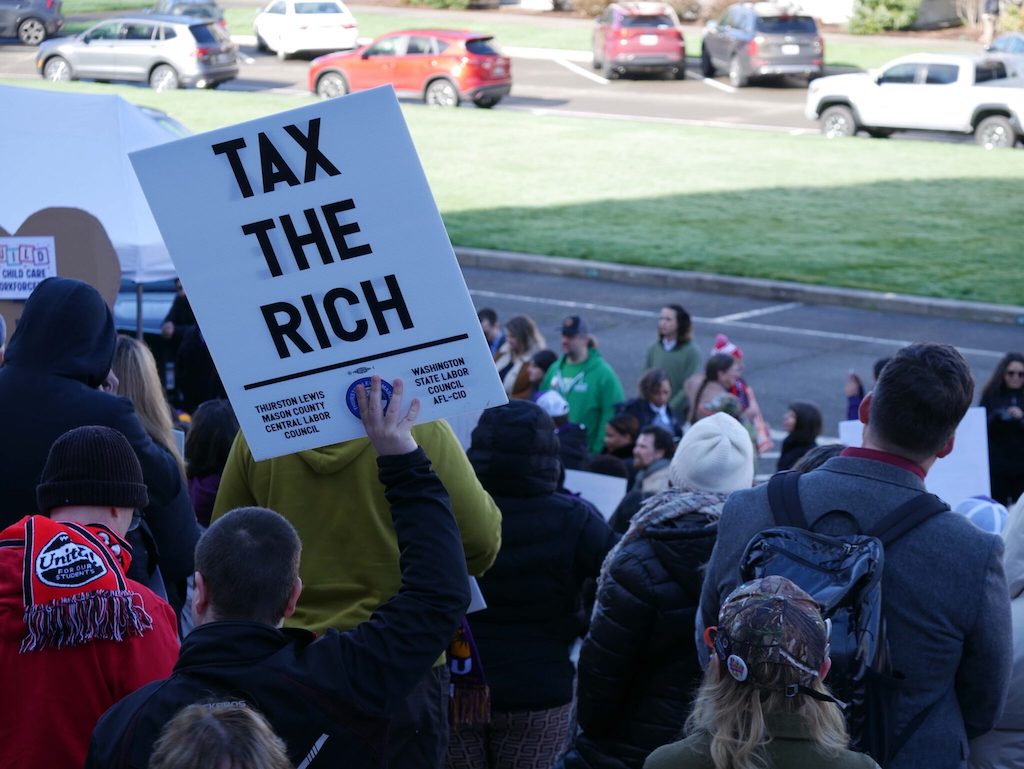
The debate over imposing a millionaire tax is heating up nationwide, with Maine’s new 2% tax on incomes over $1 million drawing attention. State Rep. Cheryl Golek, a Democrat, argues that this measure is a fair attempt to balance the tax system, which she says currently burdens working- and middle-class families more than high earners. Governor Janet Mills signed the legislation in response to the growing wealth gap and increased budget pressures.
Maine joins Washington, New Jersey, and Massachusetts among Democratic-led states pursuing increased taxes on the wealthy to address wealth inequality. In contrast, states like Illinois, Minnesota, and Virginia are considering similar measures, while California activists push for a billionaire-specific tax. However, these initiatives often lead to prolonged political battles.
Different states are exploring various tax forms, such as taxing high-value real estate or capital assets. New York City recently proposed a pied-à-terre tax on homes worth over $5 million. Meanwhile, New Jersey has implemented a mansion tax and a 10.75% top income tax rate for millionaires. Proponents claim these measures aim to correct tax systems skewed against lower earners, as noted by the Institute on Taxation and Economic Policy.
Opponents argue that millionaire taxes deter investment and encourage the wealthy to relocate, particularly as some states reduce taxes. Patrick Woodcock, of the Maine State Chamber of Commerce, warned about Maine’s stagnant population growth and the risks of disincentivizing residency. Similarly, conservative states are shifting towards regressive tax policies, increasing the burden on lower-income residents.
Jared Walczak from the Tax Foundation highlights that tax increases on the wealthy may push residents and businesses to states with lower taxes, despite no direct evidence of out-migration. Massachusetts, for example, has benefited from its Fair Share Amendment, which funds education and transportation. However, critics argue it’s not just the ultra-wealthy paying these taxes, as one-time sales can trigger tax liabilities.
Rising wealth inequality
Wealth disparity has widened over the years, with the top 0.1% seeing significant gains while the bottom fifth remains stagnant, as reported by Oxfam America. The top 1% now control a larger income share, spurring calls for progressive state tax reforms, said Amber Wallin from the State Revenue Alliance.
Federal policies, like President Trump’s tax cuts, have exacerbated the need for state-level changes. Wallin emphasized that equitable taxes bolster economies, as evidenced by Massachusetts’s $6 billion revenue boost for public services. However, critics point to the potential for resident exodus and ongoing budget challenges.
Multiyear efforts
Efforts to tax the wealthy face skepticism and often require years of advocacy. Michigan’s proposed millionaire tax campaign was recently suspended, with plans to revisit in 2028. Illinois also postponed its millionaire tax initiative due to legislative hurdles.
Washington’s new tax law, imposing a 9.9% rate on incomes over $1 million, faces a court challenge, with opponents citing constitutional concerns. Republican Rep. Jim Walsh criticized the law for potentially expanding income taxes to more residents, suggesting spending cuts as an alternative.
Democratic Sen. Noel Frame argues the legislation aligns with Washington’s progressive values. The state’s reliance on sales and property taxes burdens lower earners, creating one of the nation’s most regressive tax systems. Frame predicts the millionaire tax movement will spread, driven by public demand for equitable taxation.