For the first time in years, turkey production has increased ahead of Thanksgiving despite challenges from labor shortages, according to federal reports. While avian diseases had previously curtailed supplies, this year’s rise has not prevented price hikes due to bottlenecks in the workforce. Many turkey farmers are advocating for more foreign workers as immigration policies and the cessation of protected statuses impact labor availability. Proposed bipartisan federal legislation aims to address this by improving access to temporary worker visas.
Labor disruptions, particularly affecting Temporary Protected Status immigrants, could strain operations further, warns Leslee Oden, CEO of the National Turkey Federation. “This is a good first step to help packers and processors keep the rural economy moving and to ensure American consumers have access to affordable food,” said Meat Institute CEO Julie Anna Potts regarding the federal visa legislation.
Top turkey-producing states include Minnesota, North Carolina, and Arkansas, with significant contributions also from Indiana, Iowa, Missouri, Pennsylvania, and Virginia, as per a U.S. Department of Agriculture report. Wholesale prices have surged to an estimated $1.76 per pound, a 30% increase from last year, though retail prices have only risen by about 10%, according to a Farm Bureau report. Grocery stores continue to attract customers with turkey promotions.
Production has bounced back to 5.1 billion pounds, recovering from a dip to 4.8 billion pounds last year, although still below the 2020 peak of 5.7 billion. Faith Parum, Deputy Chief Economist at the Farm Bureau, highlighted ongoing disease pressures and the appeal of turkey deals to grocery stores in a November podcast.
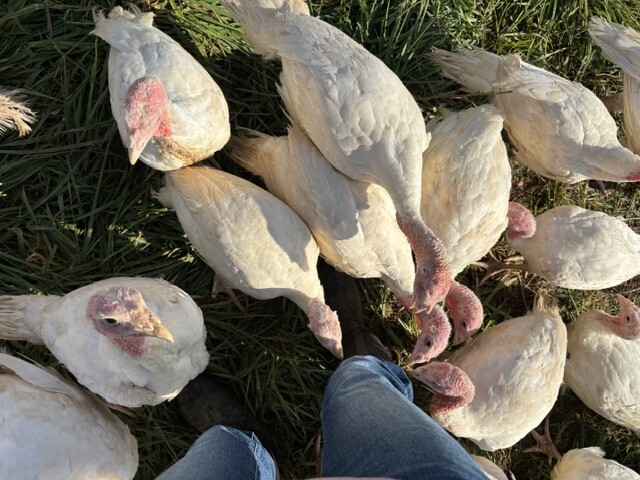
Jesse Straight, owner of Whiffletree Farm in Warrenton, Virginia, sells around 1,000 turkeys annually and reports less impact from labor and disease issues than larger farms. His pasture-raised turkeys benefit from fresh air, while his small staff receives fair wages. “We get people coming to our farm from all over the country because they believe in our mission,” Straight said, emphasizing their commitment to land healing and animal welfare.
Despite rising prices, farmers are not seeing increased profits due to high production costs, notes Farm Bureau Associate Economist Cameron Castillo. “Significantly higher costs are prohibiting farmers from capturing any economic benefit this year,” he stated.