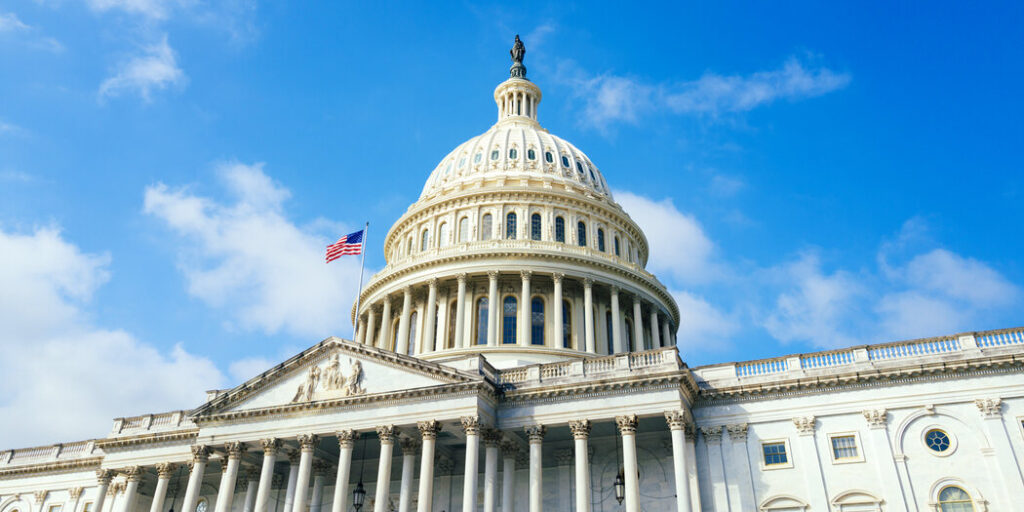
Congress Faces Pressure to Modernize Tech Policy with Rising Influence of Younger Legislators
The current landscape of Congress is witnessing a shift, with younger members bringing a deeper understanding of technology, paving the way for potential advancements in technology policy. As technology continues its rapid transformation of society and the economy, the need to establish effective regulations has grown more pressing. Simultaneously, the technology sector is gaining significant influence within the Trump administration, increasingly affecting policy decisions.
Historically, periods of economic disruption and executive overreach have triggered congressional action. The 1970s, marked by stagflation and the Vietnam War, saw a similar influx of young lawmakers, famously known as the “Watergate babies,” who were instrumental in pushing for substantial reforms in response to executive misconduct during the Watergate scandal. This bipartisan effort led to Congress reclaiming its powers and instituting reforms to better regulate the economy.
Today, Congress is experiencing a similar era of change, marked by new members, economic shifts, and a president extending executive reach. The tech industry is at the forefront of the economy, prompting a surge in legislative activity aimed at regulating the sector. Notable legislative efforts include the Kids Online Safety Act, the Take It Down Act, the Detour Act, and the America Privacy Rights Act. However, more comprehensive measures are required, particularly in emerging fields like artificial intelligence.
The composition of the 119th Congress is younger, with more millennials and Gen Z members who possess a greater technological acumen than their predecessors. As Sen. Ted Cruz (R-TX) noted, “To be honest, Congress doesn’t know what the hell it’s doing in this area.” Rep. Jay Obernolte (R-CA), who holds a master’s degree in AI, remarked, “You’d be surprised how much time I spend explaining to my colleagues that the chief dangers of AI will not come from evil robots with red lasers coming out of their eyes.” The limited congressional resources dedicated to science policy exacerbate these challenges, highlighting the importance of lived experience in shaping effective policies.
A Los Angeles Times article described the cohort of lawmakers who entered Congress in 2019 as actively redefining the role of first-term members. They engage more with constituents, leverage social media, and champion legislation that directly benefits their communities. Lawmakers like Rep. Vince Fong (R-CA), who introduced autonomous vehicle regulations, exemplify this trend.
In the Trump administration, tech giants are wielding unprecedented influence. At President Trump’s 2025 inauguration, key tech figures such as Mark Zuckerberg, Tim Cook, Elon Musk, and Jeff Bezos were positioned prominently, surpassing even cabinet members in proximity. Following the inauguration, Elon Musk’s influence grew as he led DOGE.
Spending by the tech industry to influence policy is substantial, with over $17.5 million allocated for lobbying in the first quarter of 2025, significantly up from just over $10 million in 2020.
Congress appears poised to challenge tech industry dominance, driven by a new generation of tech-aware legislators, a collective push against executive overreach, and urgent regulatory needs in a rapidly expanding sector. However, the absence of a centralized tech committee in both the House and Senate remains a critical gap. A dedicated committee with expert staff would centralize efforts, ensuring efficient regulation and defending against tech lobbying.
Equipped with the right tools and incentives, Congress stands ready to tackle the challenges posed by the tech sector.