North Carolina’s Legislative Push to Bolster Medicaid Funding and Oversight
In a decisive move, North Carolina’s legislative bodies have advanced a critical bill to sustain Medicaid funding for the remainder of the year while introducing new oversight measures. This development signifies a significant commitment to ensuring healthcare access for the state’s low-income residents.
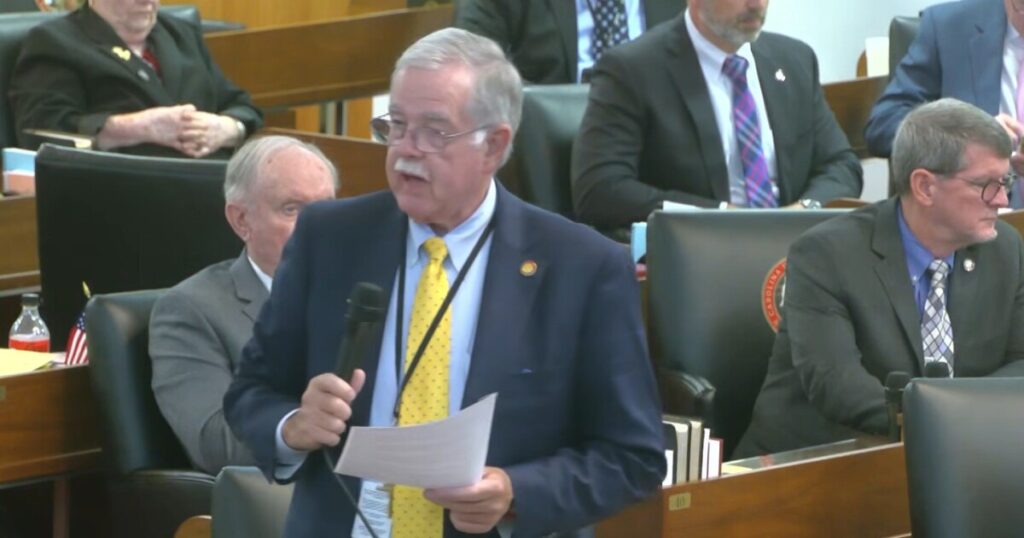
The proposed House Bill 696 allocates $319 million from the state’s Medicaid Contingency Reserve to fulfill the year’s rebase request. This rebase is essential for adjusting the healthcare program’s budget in response to enrollment changes and inflation impacts. “That’s been a sore spot,” stated Rep. Donny Lambeth, R-Forsyth, emphasizing the importance of understanding cost drivers in Medicaid.
With the additional funding, North Carolina’s General Assembly will have allocated a total of $819 million to Medicaid this year, elevating the state’s expenditure on the program to approximately $6.7 billion. Medicaid, a joint federal and state initiative, supports health insurance for those with low incomes, including families and individuals with disabilities. Currently, around 2.4 million residents are part of the traditional Medicaid program, with another 700,000 covered under Medicaid expansion.
Only those enrolled in the traditional Medicaid program benefit from the rebase, as the expansion is federally funded and supplemented by a hospital assessment. The legislation also aims to address the rising costs of Medicaid by implementing tighter controls and oversight.
According to Speaker of the House Destin Hall, R-Caldwell, the bill is a step towards mitigating waste, fraud, and abuse within the Medicaid system. Measures include monthly reviews of eligibility changes by the N.C. Department of Health and Human Services, requiring more evidence of eligibility beyond self-attestation, and dedicating $500,000 for performance audits.
Summer Tonizzo, a spokeswoman for the N.C. Department of Health and Human Services, expressed gratitude for the legislative commitment to funding Medicaid, stating they will continue collaborating with lawmakers to ensure care access for all North Carolinians.
The bill also introduces federally mandated work requirements from last year’s H.R. 1, requiring Medicaid applicants to engage in work, volunteering, or community service for at least 80 hours monthly, or education for at least 40 hours. The Congressional Budget Office estimates that such requirements might lead to 4.8 million people losing Medicaid over a decade.
“This is a social safety net program where our real metric for Medicaid success is the folks who are on it, how many of them are we getting off of it because they’re going back into the labor force and they’re able to purchase their own insurance,” Hall remarked.
Despite some concerns from legislative Democrats about specific provisions like the monthly reporting requirement, the bill’s essential funding for Medicaid led them to support it. Senate Minority Leader Sydney Batch, D-Wake, voiced these concerns, wishing for a standalone bill addressing these provisions separately.
Additionally, the bill mandates DHHS to refer applicants unable to prove citizenship to the U.S. Department of Homeland Security, a move criticized by immigrant rights group Siembra NC for potentially deterring healthcare access for families in legal transition.
In the House, the bill passed overwhelmingly with a 112-1 vote, mirrored by a 48-1 vote in the Senate. Further voting is scheduled before the bill can proceed to Governor Josh Stein. Besides Medicaid, the legislation reallocates funds across various departments, including the N.C. Department of Motor Vehicles and the N.C. State Bureau of Investigation, to address budget shortfalls.