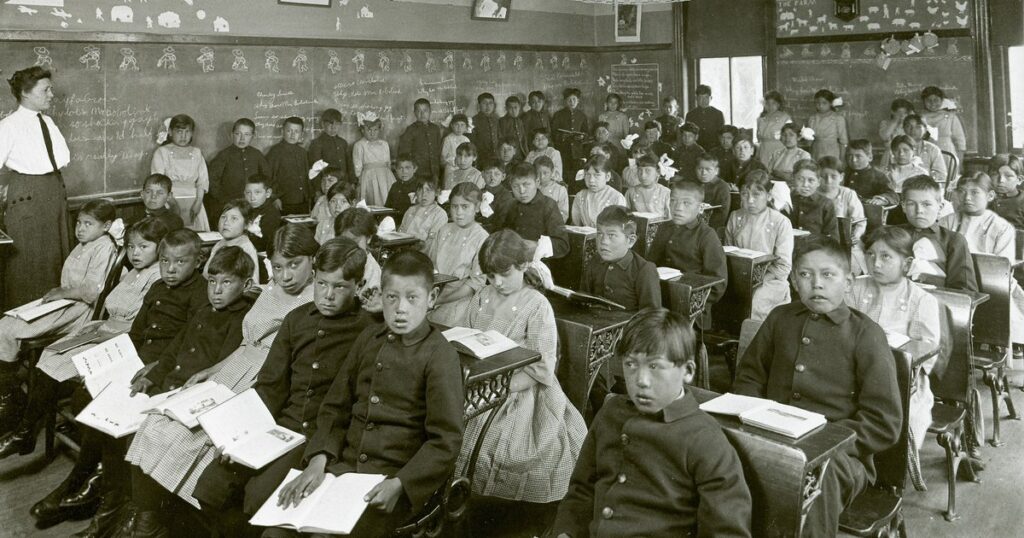
In the early 20th century, a journey on a horse-drawn wagon marked the beginning of a new and challenging chapter for many Native American children. Six-year-old Elsie Gilpin was one such child, whose parents sent her to the Genoa U.S. Indian School, one of the largest federal Native American boarding schools, in 1929. This institution, located in Nebraska, became a place where children were separated from their families and stripped of their cultural identities.
Elsie’s story, like many others, was largely preserved in government documents until Susana Geliga took steps to bring these personal histories to light. In 2024, Geliga recorded an interview with Elsie’s daughter, Wynema Morris, as part of an oral histories project aimed at gathering and preserving the experiences of Genoa school attendees.
The Legacy of Genoa U.S. Indian Industrial School
Operating between 1884 and 1934, the Genoa U.S. Indian Industrial School housed up to 599 students from 40 different tribes at its peak. These children, ranging in age from 4 to 22, were taken from their communities under the guise of assimilation. Recent investigations, such as those initiated by the Interior Department, have uncovered the harsh realities faced by these children, including the discovery of unmarked graves at similar institutions. The department’s report estimates that at least 18,000 children were forced into such schools.
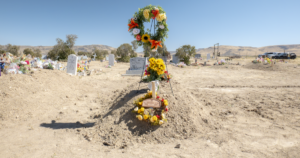
The Genoa school itself saw numerous tragedies, with at least 86 students dying during its operation. While some were buried on the school grounds, others were sent back to their tribes, and many more remain unaccounted for. Disease, such as tuberculosis, and reports of physical abuse contributed to the grim conditions.
Revisiting the Past Through Oral Histories
Although no former students are alive today, descendants like Wynema Morris carry the stories forward. Elsie Gilpin was candid with her children about her experiences, sharing both the friendships she formed and the hardships she endured, such as hunger and abuse. Morris recalls her mother’s aversion to kerosene, a reminder of the harsh treatments at the school, including having it poured over her hair.
Preserving Memory and Understanding Trauma
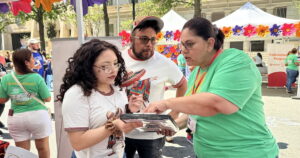
Susana Geliga, a professor and member of the Rosebud Sioux tribe, has been instrumental in preserving these histories. As co-director of the Genoa Indian School Digital Reconciliation Project, Geliga has worked tirelessly to archive and digitize records related to the school. Despite a funding setback in 2018, the project successfully digitized about 10,000 records, which are now available online.
Wynema Morris emphasizes the importance of sharing her mother’s stories, despite the painful memories they evoke. “It still hurts me, and this is the legacy of intergenerational trauma,” she said. Through projects like Geliga’s, these narratives will not only be preserved but will also contribute to a broader understanding of the impact of such institutions on Native American communities.