Western North Carolina is bracing for a significant disruption as federal food assistance faces a potential halt this weekend. This pause in benefits comes at a time when many communities are still grappling with the aftermath of Tropical Storm Helene, which left behind widespread flooding and infrastructure damage.
The Supplemental Nutrition Assistance Program (SNAP), a crucial source of support for over 1.42 million people in North Carolina, is at risk due to the ongoing government shutdown. The U.S. Department of Agriculture has instructed states to suspend November payments unless Congress authorizes new funding.
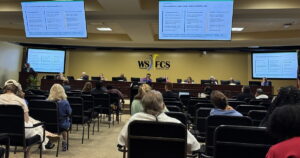
From November 1, families dependent on SNAP may see their benefits interrupted, prompting local agencies to search for alternative solutions. “Any disruption to people’s ability to access food is concerning,” said David Sweat, Buncombe County’s Health and Human Services director, during a press briefing Thursday. He emphasized the growing food insecurity as the community recovers from the storm.
Local Impact on Buncombe County
The interruption is set to affect approximately 29,000 residents in Buncombe County, potentially cutting $13 million in food expenditure next month if the situation remains unresolved. The average benefit stands at about $171 per individual and $344 per household monthly.
While the Economic Services offices in Buncombe County remain open for applications, benefits will not be distributed until federal funding resumes. In response, officials have launched a countywide food drive and expanded free food markets to assist households during the gap.
Residents are encouraged to donate nonperishable food items at any Buncombe County library, with community markets continuing to offer free food weekly across the county.
Preparing for Increased Demand
MANNA FoodBank, serving the 16 westernmost counties, is gearing up for heightened demand. Jennifer Lutz, Chief Community Impact Officer at MANNA, noted, “SNAP is a supplemental nutrition assistance program that more than 90,000 people in our Western North Carolina region participate in.”
With demand rising by nearly 15% in October, MANNA is boosting its supply of essential foods and strengthening ties with local pantries. Rural areas, such as Swain, Graham, Transylvania, Madison, and McDowell, where 20-30% of residents depend on SNAP, may feel the greatest impact if the pause persists.
“MANNA and our partners are built for moments like these,” Lutz added. “We’ll get through this too, but it’s going to take a community to do that.”
Finding Help and Offering Support
Residents can still apply for SNAP benefits or recertify through their county Department of Social Services. Once federal funds are restored, benefits will resume distribution.
For immediate assistance, the MANNA FoodBank’s Helpline can be contacted via call or text at 828-299-FOOD (3663). More information and an interactive map of food distribution sites can be found at mannafoodbank.org.
Alternatively, calling NC 211 or visiting nc211.org provides updated information on local food pantries and community support.
Buncombe County, in collaboration with MANNA FoodBank, is hosting a food drive, accepting donations at any County library. A complete list of needed items is available here.