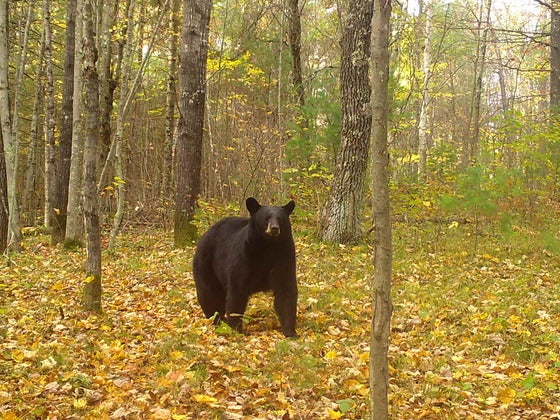
As the curtains close on Wisconsin’s 2025 bear hunting season, new data sheds light on the outcomes of this annual event. Hunters successfully harvested 3,724 bears, closely aligning with the state’s typical annual figures, as reported by the state’s Department of Natural Resources.
The hunting season, which spanned from September 3 to October 7, saw over 13,000 licenses distributed among the eager participants. The demand for these licenses was robust, with more than 146,000 applicants either seeking a hunting license or a preference point.
Targets and Challenges
The final bear harvest fell short of the Department’s target of 4,075. Randy Johnson, a large carnivore specialist at the DNR, mentioned that hunters’ experiences varied significantly across the state. “Bear hunters across the state also faced below-average temperatures in the beginning part of the season, followed by above-average temperatures towards the end of the season, each of which can affect bear activity,” Johnson explained. He noted that the success rate was “slightly below average,” which aligned closely with their expectations.
Statewide, hunters experienced a success rate of about 28 percent, a drop from the five-year average of 32 percent. This variation in success can be attributed to fluctuating weather conditions impacting bear activity.
Bear Population and Management
Wisconsin’s bear population is estimated at approximately 23,000. Johnson emphasized the importance of bear hunting as a management tool, stating it provides crucial data that helps maintain healthy bear populations. “We use this information to adjust license and harvest levels as needed in different regions of the state to affect the bear population and data trends,” he stated.
This approach not only aids in sustaining bear populations but also assists in addressing issues such as agricultural damages and residential complaints related to bears. Johnson highlighted the agency’s commitment to “sustainable bear population levels, compatible with the habitat and public preferences.”
As the state looks toward future hunting seasons, the DNR will continue to analyze data to refine their strategies, ensuring that both the bear population and the needs of Wisconsin residents are effectively balanced.
Wisconsin Public Radio, © Copyright 2025, Board of Regents of the University of Wisconsin System and Wisconsin Educational Communications Board.