Christine Virnig’s journey from a pediatrician to a children’s author is a testament to pursuing one’s true passion. Despite a successful career in treating children with allergies, Virnig felt a persistent urge to infuse humor and creativity into her work, a calling that eventually led her to the world of writing.
Her playful approach often sneaked into her medical documentation, where she would describe nasal obstructions with phrases like “dried bat boogers in the cave.” As Virnig shared with WPR’s “Wisconsin Today,” this humor was a glimpse into her creative side waiting to be fully expressed.
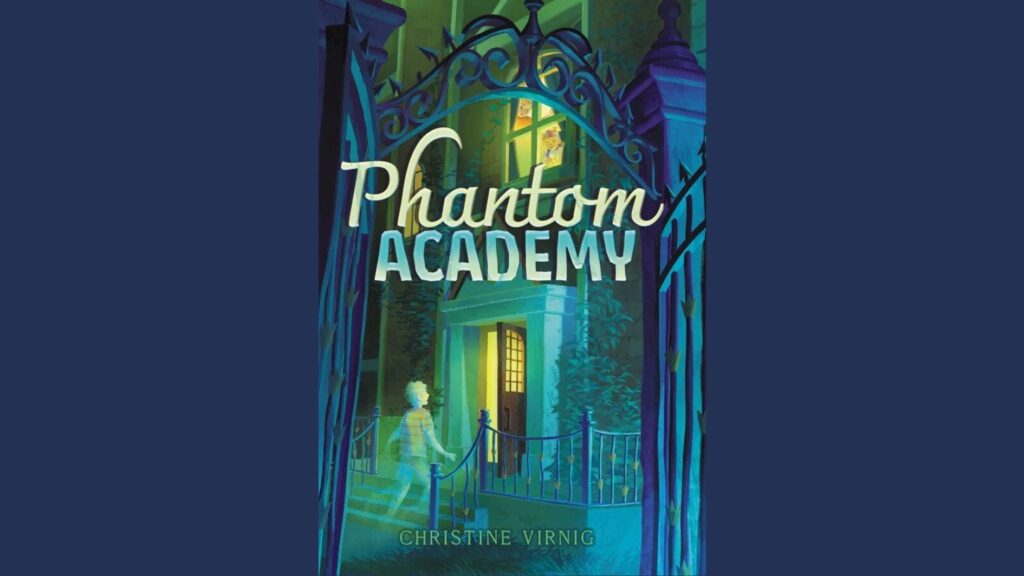
After 11 years in medicine, Virnig decided to focus entirely on writing. Her second children’s fiction book, “Phantom Academy,” published in August, reflects her unique storytelling style. The book delves into the life of a 12-year-old boy named Finn, who finds himself in the afterlife following an unexpected accident. In this otherworldly school, Finn and his peers must adapt to their new roles as ghosts.
Below is an edited interview with Christine Virnig conducted by Kate Archer Kent for clarity and conciseness.
Exploring Life After Death in Children’s Literature
KAK: What inspired the storyline of Finn navigating the afterlife in “Phantom Academy”?
CV: The idea for the opening scene, where a coconut causes Finn’s untimely death, came to me in a moment of inspiration while falling asleep. By morning, I was excited to see where the story would lead.
Addressing Heavy Themes with a Light Touch
KAK: Do you believe it’s crucial for children to engage with themes of death?
CV: While working as a pediatric allergist, I often encountered children who were aware of their mortality due to their allergies. Whether or not it’s essential for all children to think about death, many do. It might be beneficial or therapeutic for them to explore these themes, especially as they face the loss of loved ones.
Emphasizing Presence Over Past
KAK: “Phantom Academy” emphasizes living in the moment. What message were you conveying about being present?
CV: Embracing the present is a challenge for everyone, including myself. We often dwell on past actions or future possibilities. Finn’s journey reflects the power of focusing on the present, a lesson valuable to both children and adults.
The Humor in the Unusual
KAK: Your nonfiction work centers on dung. What draws you to these topics?
My debut nonfiction book, “Dung for Dinner,” and its follow-up, “Waist-Deep in Dung,” explore the quirky and often gross aspects of history and medicine. This humor reflects my 10-year-old self’s sensibilities and allows me to blend my medical background with engaging storytelling.
The Transition to Writing
KAK: What prompted your decision to leave medicine for writing?
CV: While I cherished patient interactions and the impact I made, the stresses of the medical field, such as time constraints and the fear of causing harm, became overwhelming. After a decade, I realized it was time to pursue writing, a passion that had already begun to flourish alongside my medical career.