The Influence of Prosecutors: Balancing Justice and Politics
Prosecutors wield significant power within the criminal justice system, making crucial decisions about charges and influencing sentencing outcomes. This power necessitates a commitment to impartiality, with decisions grounded solely in fact and law, devoid of political influence. The overarching principle is that no individual should be above the law, nor unfairly targeted by it.
Robert Jackson, a former attorney general and Supreme Court justice, articulated the enormity of prosecutorial discretion in a 1940 statement that remains relevant today:
[The prosecutor’s] discretion is tremendous. He can have citizens investigated and, if he is that kind of person, he can have this done to the tune of public statements and veiled or unveiled intimations. . . . The prosecutor can order arrests, present cases to the grand jury in secret session, and, on the basis of his one-sided presentation of the facts, can cause the citizen to be indicted and held for trial. . . . While the prosecutor at his best is one of the most beneficent forces in our society, when he acts from malice or other base motives, he is one of the worst.
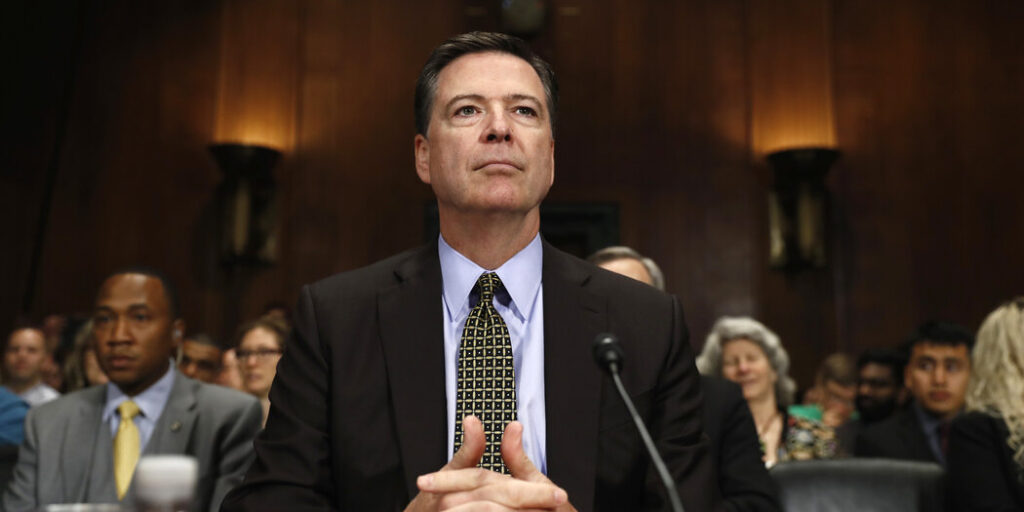
Recent developments echo Jackson’s warnings. Last week, the Justice Department indicted former FBI Director James Comey, a political adversary of President Trump, following allegations of lying to Congress and obstructing a congressional investigation. Lindsey Halligan, newly appointed U.S. Attorney for the Eastern District of Virginia, pushed forward with the indictment, despite her predecessor Erik Siebert’s decision not to prosecute due to insufficient evidence.
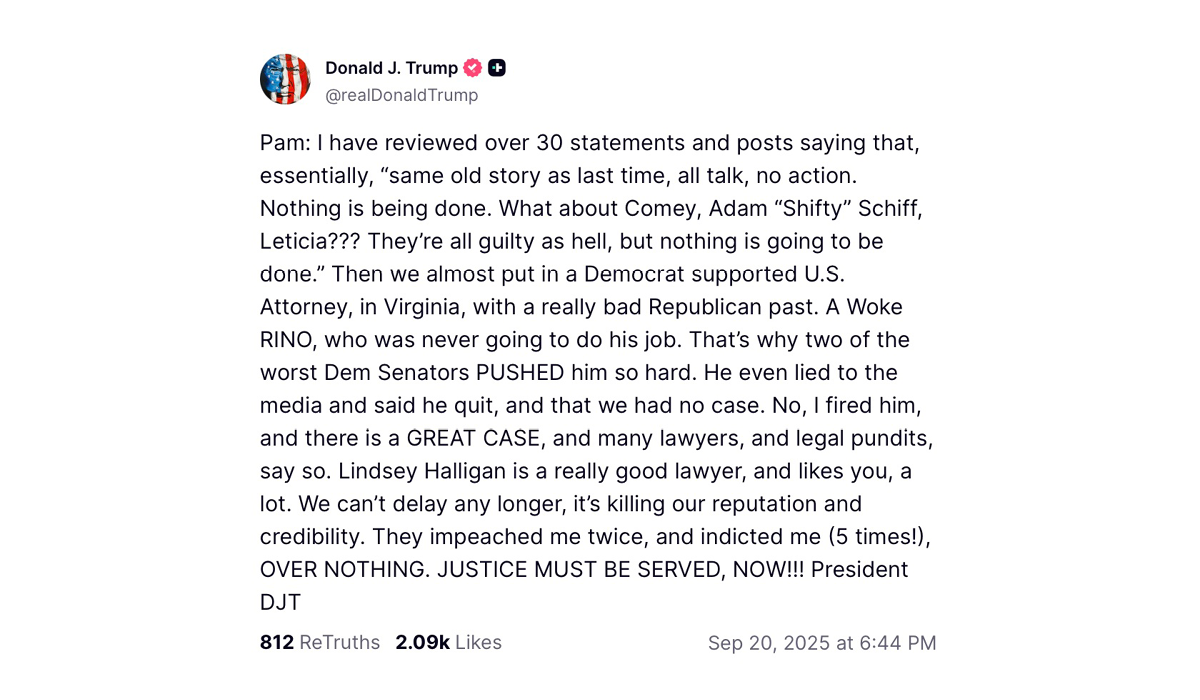
The lack of transparency in grand jury proceedings has left the rationale for the indictment unclear. Reports suggest significant internal concerns within the prosecutorial office, and Trump’s response on social media indicated direct influence over the decision. This type of presidential interference is contrary to reforms established post-Watergate aimed at preserving the DOJ’s independence.
Halligan’s indictment process was marked by oddities, including the rejection of one count by the grand jury—an uncommon occurrence. The core of the indictment rests on testimony Comey provided in 2020, reaffirming statements made in 2017, well beyond the statute of limitations. The indictment alleges Comey misled the Senate about authorizing an FBI colleague to be an anonymous source, though ambiguity persists regarding who was actually involved and what evidence supports these claims.
The intricate nature of the case raises questions about the government’s ability to prove Comey’s alleged lies. Legal complexities such as the term “authorization” and the variability in understanding “anonymous source” add layers of defense. The indictment’s vague wording could prompt motions for dismissal or requests for more detailed information from the government.
Given the tenuous legal grounds, Comey might pursue claims of selective or vindictive prosecution, although these are rarely successful. Should the case proceed to trial, the prosecution faces the daunting task of proving guilt beyond a reasonable doubt, in contrast to the lower threshold required for indictment.
The slender margin in the grand jury decision reflects significant doubt, challenging the prosecution’s path to conviction. The Federal Principles of Prosecution emphasize the need for substantial evidence and realistic chances of conviction, suggesting that the decision to indict may not align with these principles.
Halligan’s limited prosecutorial background and the expedited nature of the indictment underscore concerns about political influence overriding legal standards. The case exemplifies the tensions between justice and politics, highlighting the need for adherence to impartial prosecutorial practices in line with Jackson’s enduring guidance.