Wisconsin Community Challenges Proposed Data Center Project
In southern Wisconsin, residents of the rural village of Johnson Creek are voicing their opposition to a proposed data center development. The project, spearheaded by Colorado-based Radius DC, is planned to be significantly smaller than other large-scale data centers in the state, but concerns persist among the local community.
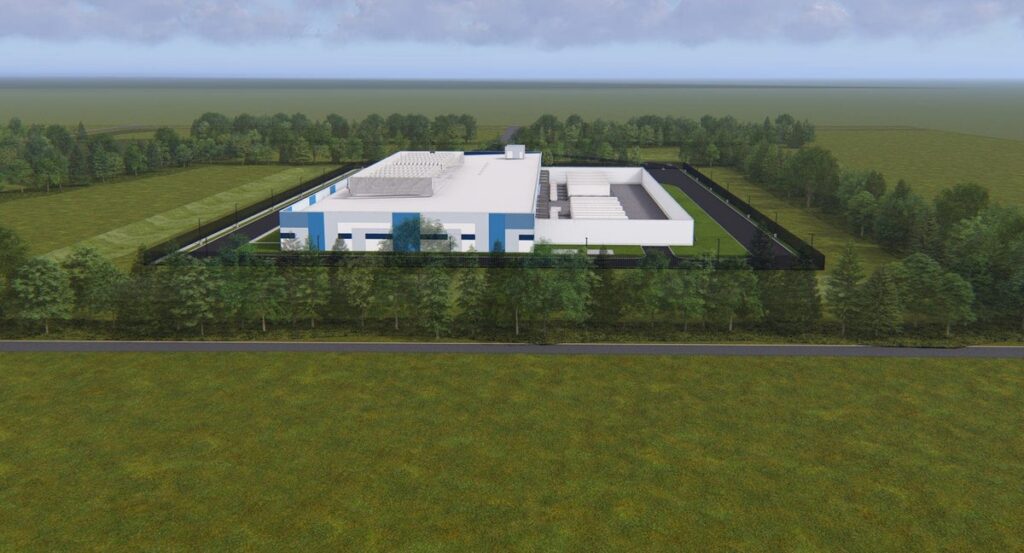
Radius DC aims to construct a 100,000 square-foot data center on a 40-acre site in Johnson Creek, strategically located between Madison and Milwaukee. The village board was scheduled to vote on this proposal, but the decision has been postponed following public outcry during a recent meeting (source).
Residents expressed worries about transparency, environmental ramifications, and impacts on wildlife to Wisconsin Public Radio (WPR). Miranda Taylor, a community organizer, commented, “Everything came about way too fast, and the community wasn’t notified properly, in my opinion.” She emphasized that this has led to distrust towards the developer and the village board.
Lindsay Kinateder, a local resident, echoed these sentiments, urging for a more cautious approach to ensure minimal risks to the environment and community. The village board is expected to revisit the proposal on January 11.
Johnson Creek’s location in Jefferson County adds further complexity, as the county enacted an 18-month moratorium on data centers this summer. However, this does not affect municipalities with independent zoning laws. Jefferson County Board Chair Steve Nass stated the moratorium was to allow time for developing appropriate zoning regulations, underscoring a knowledge gap in managing data center developments.
Some community members feel that advancing the Johnson Creek project contradicts the moratorium’s purpose. Cody Stark, residing near the proposed site, remarked, “It seems (like) a bad faith action to move forward with that, considering the moratorium.”
Despite these concerns, Johnson Creek Village Administrator Kyle Ellefson highlighted that the community has established ordinances to regulate such developments, ensuring that large-scale data centers like those in Mount Pleasant and Port Washington won’t arise.
The proposed data center would be situated in a tax increment financing district, created to support other manufacturing projects, though it will not receive local incentives. Moreover, the development agreement restricts the facility from expanding beyond 105,000 square feet.
Radius DC has committed to maintaining an assessed property value of $35 million yearly for 15 years, with provisions for a payment in lieu of taxes if this target isn’t met. The facility is also designed to consume far less water and electricity compared to other projects in the state, using a closed-loop cooling system and requiring only 20 megawatts of power.
Robert Marchant of the Wisconsin Partnership for Progress described the proposed data center as comparable in size to a Home Depot, emphasizing its low community impact due to its placement in industrial zones. The project promises to create 100 construction jobs and 15 permanent positions.
RadiusDC’s Vice President of Development, Keith Klesner, acknowledged the community’s concerns and expressed the company’s intention to address them before the January meeting. He stated, “We’re definitely working to make sure that we’re respecting the watershed, we’re managing noise and any other development concerns for the community.”