MGM Resorts International and its sports wagering affiliate, BetMGM, have withdrawn their memberships from the National Council on Problem Gambling (NCPG), marking the first time a major gaming operator has left the organization over its decision to partner with prediction market company Kalshi. The departure adds to a growing list of state agencies and organizations that have distanced themselves from the NCPG since the Kalshi deal was announced earlier this year.
The NCPG, founded in 1972 and considered the oldest U.S. organization focused on gambling-related issues, accepted a $2 million, two-year investment from Kalshi in May. That decision prompted swift backlash. Four state agencies — including the Nevada Council on Problem Gambling — resigned their memberships, and MGM and BetMGM followed last month. BetMGM Director of Responsible Gambling Rich Taylor also resigned from the NCPG board.
Why MGM and BetMGM Left
In a letter to the NCPG, MGM Resorts Senior Vice President Stephen Martino and BetMGM Chief Compliance Officer Rhea Loney explained their position directly:
“NCPG’s decision to embrace Kalshi as a member and the circumstances under which this decision was made lead us to conclude that we no longer share the established principles NCPG once stood for,”
they wrote.
The letter also addressed the messaging around Kalshi’s platform, warning that
“suggesting that sports betting on Kalshi is an easy ticket to financial success is an open invitation to every form of problem gambling that NCPG and responsible gaming programs are supposed to confront, not legitimize.”
Martino and Loney further argued that Kalshi’s operations harm regulated gaming states financially:
“By ignoring state licensing requirements, Kalshi and other prediction markets pay only a pittance in taxes compared to legal gaming companies.”
They warned the arrangement could deprive states of tax revenue that funds problem gambling prevention and treatment programs.
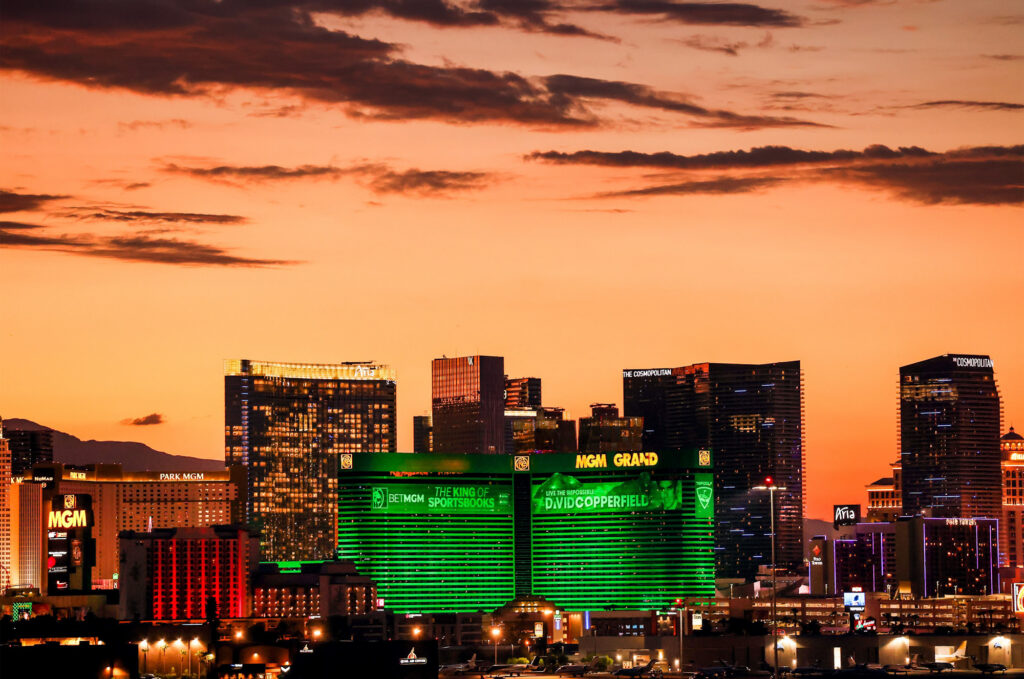
MGM Resorts operates properties in 10 states, including 10 resorts on the Las Vegas Strip and two in Macau, while BetMGM operates in nearly 30 states and two Canadian provinces, making the two the largest members to exit the national council to date.
A Broader Pattern of Departures
MGM and BetMGM are not alone in stepping away. The Nevada Council on Problem Gambling severed its ties with the national group in August. The Michigan Gaming Control Board withdrew in July, followed by the Ohio Casino Control Commission and the Evergreen Council on Problem Gambling in Washington, both of which ended their relationships with the NCPG in September. NCPG Executive Director Heather Maurer resigned in October amid the growing controversy.
Kalshi itself has faced regulatory resistance at the state level. Nevada’s gaming regulators banned the platform, a decision that was upheld by the 9th U.S. Circuit Court of Appeals in August. MGM and BetMGM noted that by partnering with Kalshi, the NCPG is effectively sidelining state gaming regulators and a bipartisan coalition of state attorneys general who have raised concerns about the platform.
Nevada’s Response
Trey Delap, executive director of the Nevada Council on Problem Gambling, said the MGM and BetMGM departure renewed attention to the credibility and consumer protection concerns his organization raised when it cut ties with the national group. He emphasized that problem gambling affects people where they live, and that locally grounded support is essential.
“When someone calls a helpline, they need someone who can connect them with help in their own community,”
Delap said.
“Nevada helped set the standard for gaming. We can bring that same expertise to setting the standard for protecting people.”
Delap added that remaining independent from the national organization allows the Nevada Council
“to speak plainly about gambling-related harm and what it takes to protect people in Nevada.”
The NCPG’s Position
As part of the Kalshi investment, the NCPG agreed to create a subcategory covering financial services and trading to accommodate Kalshi’s membership — a move critics say blurs the line between regulated gambling and unregulated prediction markets.
In a statement, an NCPG spokesperson defended the organization’s approach:
“The risks associated with prediction markets will not disappear because organizations refuse to engage. Neither will the need for stronger consumer safeguards, public education about gambling-related risks, or access to treatment and recovery support.”
The spokesperson said the resignations send a political message but do not advance efforts to prevent gambling-related harm.
Several major Nevada gaming companies helped establish the International Center for Responsible Gaming (ICRG) in 1996 as a research and charitable organization, originally operated through the American Gaming Association. The ICRG is now an independent nonprofit headquartered in Las Vegas that funds scientific research on gambling addiction — an example of the kind of independent, state-level infrastructure that departing members say the NCPG’s Kalshi partnership puts at risk.