Measles Outbreak in Southwestern Wisconsin Spurs Vaccination Efforts
In light of an ongoing measles outbreak in southwestern Wisconsin, state health authorities are emphasizing the importance of vaccination for children before they return to school. This call to action comes as 108 confirmed and probable measles cases have been reported since August 11 across Iowa, Lafayette, and Grant counties.
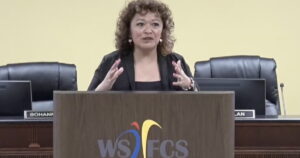
According to state data, school-age children account for nearly 45 percent of these cases, with over 15 percent occurring in children aged four and younger. Dr. Stephanie Schauer, Wisconsin Immunization Program Manager, highlighted that the measles, mumps, and rubella (MMR) vaccine is a state-mandated requirement for school attendance.
Dr. Schauer emphasized the collaborative role of K-12 districts, local health departments, and healthcare providers in ensuring students meet these vaccination requirements. “Schools are always, at the start of the school season, actively reviewing records to ensure that children are up-to-date,” Schauer mentioned during a call with reporters. “They’re aware of the information from the previous school year and know where to focus their efforts.”
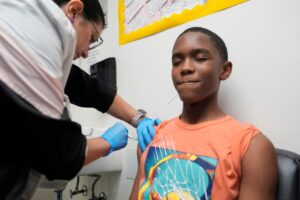
The county health departments have engaged with local school nurses to enhance measles awareness, with the Department of Health Services (DHS) providing educational outreach to parents and guardians. The Vaccines for Children program offers free shots for children covered by Medicaid, uninsured, or underinsured, accessible through county health departments or local healthcare providers.
Federal statistics reveal that only 85 percent of Wisconsin kindergartners received measles vaccinations during the 2025-26 school year, mirroring the previous year’s rate. Notably, more than 7 percent of kindergarteners secured non-medical exemptions, continuing a trend of increasing exemption rates since the COVID-19 pandemic.
Dr. Schauer attributed this trend to several factors, including rising vaccine hesitancy and the spread of misinformation. “The waiver rates are going up and have been doing that particularly since the (COVID-19) pandemic,” she said. “I think there are a number of things we can attribute that to. It may be in part that there’s increased hesitancy. There’s more mis- and disinformation, and parents are trying to get answers.”
Additionally, challenges in healthcare access may contribute to the overall vaccination rate, as more than 3 percent of children fell behind the recommended vaccination schedule during the last school year. For residents in the affected counties, Dr. Schauer reassured that those fully vaccinated need only follow standard precautions like hand washing and staying home if unwell.
The MMR vaccine, administered in two doses, is 97 percent effective and is believed to offer lifelong protection against measles.