Federal Court Ruling Mandates EPA Action on Soot Pollution Standards
A significant legal victory has been achieved by Wisconsin and a coalition of states, compelling the Environmental Protection Agency (EPA) to enforce stricter soot pollution regulations set forth during the Biden administration. This development underscores ongoing efforts to address air quality issues and public health concerns associated with fine particulate matter.
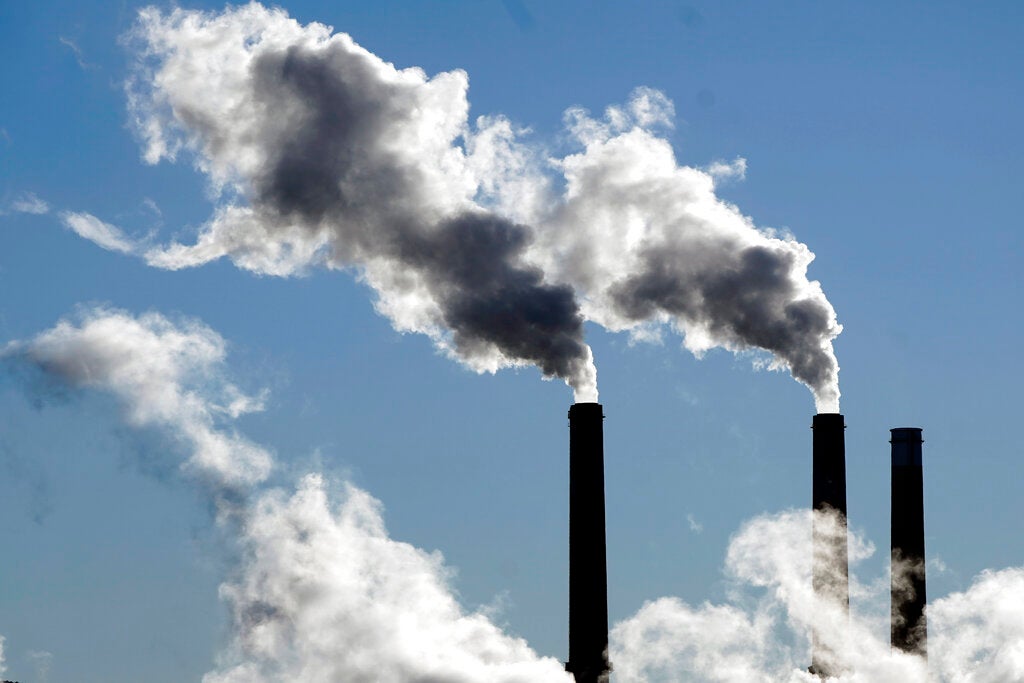
The Wisconsin Department of Justice revealed the court’s decision on Tuesday, following a lawsuit initiated in April against EPA Administrator Lee Zeldin. The lawsuit accused the EPA of failing to identify regions that violate the updated soot pollution limits enacted in 2024. These standards aim to curtail emissions from soot, which originates from sources such as wildfires, industrial activities, and power plants, and consists of particles approximately 2.5 microns in size.
Attorney General Josh Kaul emphasized the critical nature of air quality, stating in a statement, “Air quality impacts people’s health and quality of life. The Trump administration should stop trying to block progress toward cleaner air.”
Under the Clean Air Act, the EPA is obligated to establish national ambient air quality standards for several pollutants, including fine particulate matter. Communities failing to meet these benchmarks are classified as “nonattainment” areas. The lawsuit was prompted by the EPA’s failure to meet a February deadline to identify these areas.
A federal judge in the U.S. District Court for the Northern District of California has now ordered the EPA to make these designations by February 6, 2027. The Biden administration’s strengthened standards are projected to prevent up to 4,500 premature deaths and yield up to $46 billion in health benefits by 2032. Clean Wisconsin, an environmental group, has noted that the new standards could save 40 lives in Wisconsin alone.
Soot pollution poses serious health risks, as its minuscule particles can penetrate deep into the lungs and bloodstream, elevating the risk of infant mortality, heart disease, and asthma. Despite these concerns, some industry groups in Wisconsin have opposed the stricter regulations. They argue that the updated limits would impose excessive burdens on businesses and hinder economic growth, as detailed in comments submitted by Wisconsin Manufacturers and Commerce and the Wisconsin Paper Council.
Following the announcement of the standards, several Republican-led states attempted to block their implementation, fearing increased costs for utilities and manufacturers. The EPA under the Trump administration initially defended the rule but later sought to overturn it, claiming in a court filing that the agency had overstepped its authority by not thoroughly considering the economic impact on regulated communities.
Nonetheless, the tighter limits on soot pollution were upheld by a federal appeals court last month, reinforcing the commitment to enforce these critical environmental protections.