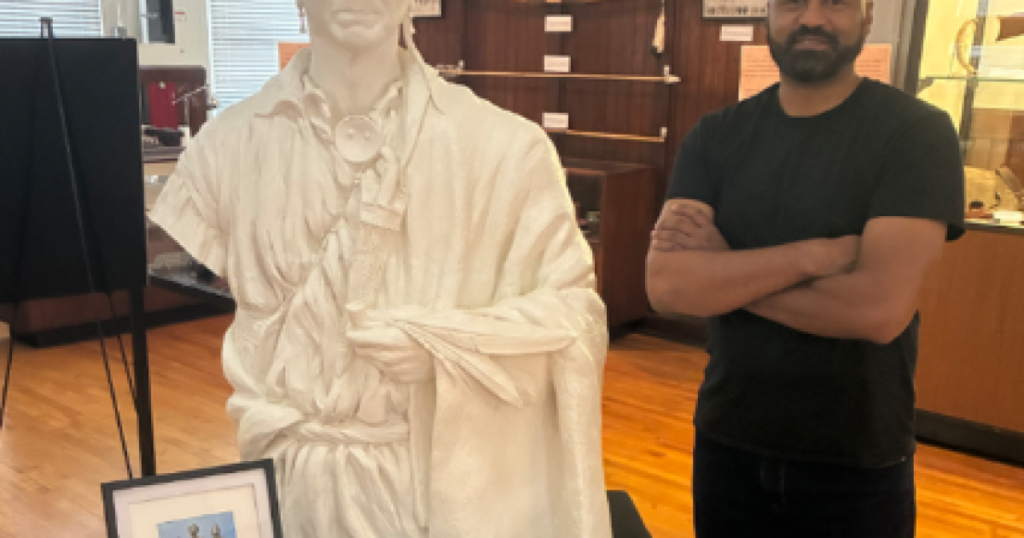
While the United States’ 250th anniversary often brings to mind key figures like Washington and Jefferson, the Kings Mountain Historical Museum in North Carolina is spotlighting a lesser-known narrative. Situated just outside of Charlotte, the museum’s exhibit delves into the significant yet frequently overlooked contributions of the Catawba Nation during the Revolutionary War.
Visitors to the museum, located in downtown Kings Mountain, are greeted by an air-conditioned display room filled with artifacts like weapons and pottery, alongside a recreation of a traditional Catawba dwelling. This exhibit, titled “Choosing Sides: The Catawba Nation and the Fight for Independence”, opens a window into the past.
During the American Revolution, the Catawba tribe, numbering around 300 due to a devastating smallpox outbreak in 1759, resided near present-day Rock Hill, South Carolina. “There had been over 1,000 in 1759, but due to a vicious smallpox epidemic that summer, literally from 1759 to 1760, their population went from 1,000 to about 300,” explained Ensley Guffey, the archivist for the Catawba Nation.
Surrounded by patriot-aligned colonists in the Carolina backcountry, the Catawba allied with the patriots, aiming for survival. In 1775, they sent representatives to Charles Town (now Charleston). “They were met by the Committee of Safety, who offered them regular pay as militiamen, pledged to honor the reservation borders, and to stop the price gouging,” Guffey noted. These assurances addressed ongoing issues the Catawba faced with colonial authorities.
While the exact number of Catawba casualties remains uncertain, a list of about 60 names of those who fought alongside the patriots is displayed at the exhibit’s entrance. According to museum director and curator Michael Turner Webb, “They don’t sound like Native Americans,” referring to names like Peter Harris and Billey Williams, which reflect their integration into European settler lifestyles.
This exhibit not only commemorates the nation’s founding but also emphasizes the pivotal role Indigenous people played in that era. Webb stated, “Not too often do we hear stories of these groups that also participated during the American Revolutionary War.” Despite some promises to the Catawba being reversed by the 1790s, the tribe remains proud of their historical contributions.

Today, the Catawba Nation is headquartered in Rock Hill, boasting a membership of over 3,300. The exhibit “Choosing Sides: The Catawba Nation and the Fight for Independence” is available to the public without charge until the end of October.