Michigan Universities Increase Tuition Amid Financial Challenges
As the academic year commences, Michigan’s public universities are implementing tuition hikes to navigate the challenges of increased expenses and prolonged periods of stagnant state funding.
Across the board, the state’s ten largest public four-year universities have sanctioned tuition rises for in-state undergraduates. Nevertheless, many institutions are simultaneously enhancing financial aid options to help mitigate the financial burden on students.
The following universities have announced the percentage increases in tuition for the new academic year:
- The University of Michigan: 3%
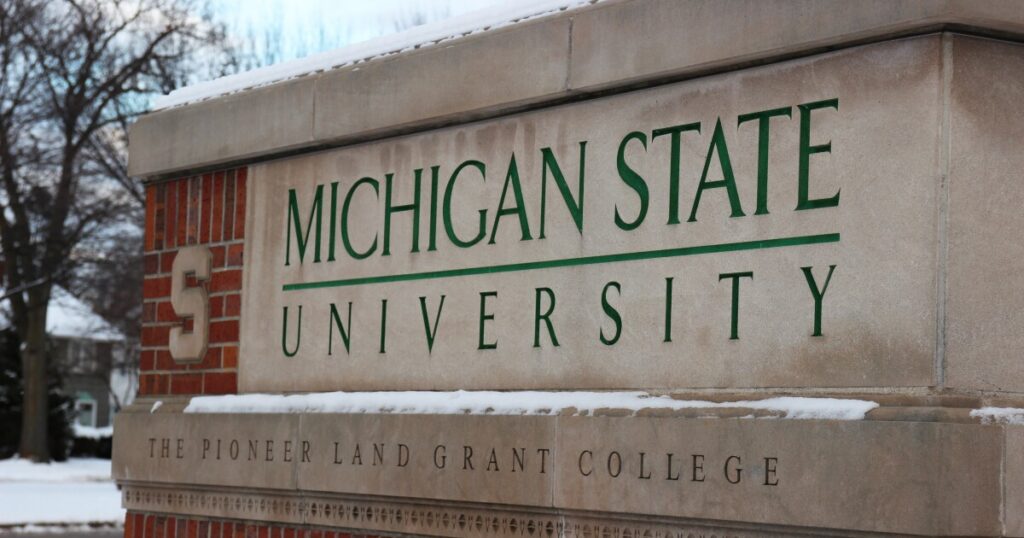
- Michigan State University: 4.37% for new freshman, 3.99% overall
- Wayne State University: 4%
- Grand Valley State University: 4%
- Western Michigan University: 4%
- Oakland University: 3.9%
- Central Michigan University: 4%
- Eastern Michigan University: 2.5%
- Ferris State University: 3.7%
- The University of Michigan – Dearborn: 3.9%
State Funding Inconsistencies and Inflationary Pressures
In an environment of financial unpredictability, a recent legislative session nearly resulted in proposed funding cuts exceeding 50% for institutions such as U-M and MSU. However, the approved budget in early July managed to prevent such drastic measures.
Mia Murphy, chief policy officer at the Michigan Association of State Universities, explained that universities typically finalize their budgets ahead of the state’s finalized funding decisions, as their fiscal year commences on July 1st.
“You get a governor’s proposed budget that says one thing,” Murphy remarked. “The House has a proposal that says another. The Senate is then the third version, and then you don’t get your final version of that budget until after July starts, and so the fiscal year has started for universities.”
Research indicates that the proportion of state funding for Michigan’s public universities has diminished significantly, dropping from around 70% of operating revenues in 1979 to approximately 22% today.
“They so often say the only solution possible is, ‘Well, if we don’t have enough money going forward, students will just pay their increased bill,” said Maddie Hanes, MSU student body president.
The latest budget maintained consistent base funding for a second consecutive year, supplemented by a one-time funding boost. Nevertheless, universities are wary of integrating these temporary funds into their long-term financial planning.
Amid nationwide inflationary trends affecting essentials like energy and imports, universities too are grappling with heightened operational costs. Murphy noted, “They’re buying a power plant’s worth of fuel and trying to provide food for residence halls for a bunch of pretty hungry 18 to 24 year olds.” She emphasized the ongoing need for adequate state funding.
Tuition Increases and Student Concerns
Michigan State University is currently experiencing a $12 million general fund budget deficit, exacerbated by state funding fluctuations, rising costs, and declining enrollment.
Maddie Hanes, a senior at MSU and student body president, expressed concerns about cost-cutting measures and their limited impact on reducing student expenses. “We’re still seeing tuition go up while the efforts that they’re saying are supposed to be helping students — we’re not really reaping any of those benefits,” Hanes said.
Hanes also highlighted the potential adverse effects on students from low-income backgrounds due to rising tuition fees. “Universities boast these great rates of impoverished students and students from low economic backgrounds that come, but if it continues on this route, they’re not going to be able to boast things like that,” she said.
Despite the tuition hikes, some experts argue that the actual cost of college is not as daunting as it appears. A report indicates that financial aid from various sources has significantly reduced the cost of attending a Michigan public university as a percentage of family income.
Jamie Jacobs, deputy director of the Michigan College Access Network, clarified that the sticker price does not necessarily reflect what students eventually pay. “For just the average person who’s taking in information, the assumption would be the cost is rising — it will cost me more than it did before,” Jacob explained. “That is a fair assumption to be making. But it’s not actually accurate.”
Editor’s note: The University of Michigan holds Michigan Public’s broadcast license.