Wisconsin’s Role in Revolutionary America: A Historical Insight
As the nation celebrates its 250th anniversary of independence, it’s intriguing to reflect on Wisconsin’s unique historical journey. Despite joining the United States over seventy years after the nation’s founding, the region played a significant role during revolutionary times.
John Hall, a professor at the University of Wisconsin-Madison, shared insights with Bridgit Bowden from Wisconsin Life about the rich history of Wisconsin’s native peoples and their interactions with European settlers around 1776.
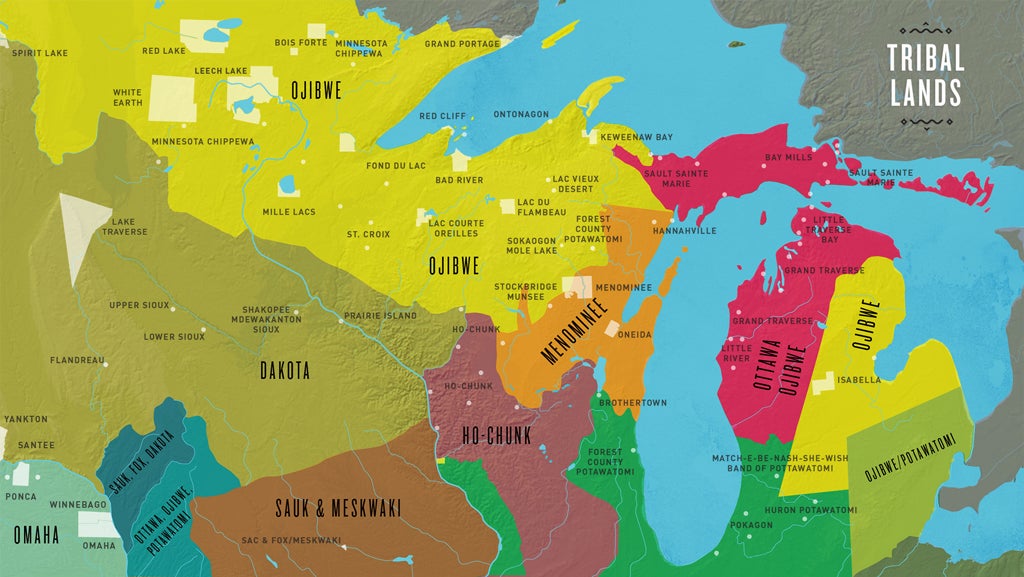
Indigenous Tribes of 1776 Wisconsin
In 1776, Wisconsin was home to several Native American tribes, including the Ojibwe or Anishinaabeg, Dakota, Menominee, Ho-Chunk (also known as the Winnebago), and the Potawatomi. Additionally, the Fox and the Muskwakkies, though not originally native to Wisconsin, had migrated into the region over the previous century.
Trade Networks and European Influence
The indigenous tribes had well-established trade networks with each other, which had existed for centuries. These networks later expanded to include European settlers, primarily involving the French and, after 1763, the British. The British became vital suppliers of European goods, which had become essential to Native communities.
Impact of the American Revolution
Initially, the American Revolution had minimal impact on the tribes in Wisconsin. British administrators did not actively seek the involvement of Native nations in the early stages of the war. However, by 1778, efforts were made to recruit Native warriors, led by figures such as Charles Longclyde, for military expeditions like Gentleman Johnny Burgoyne’s invasion of New York.
Active participation from Wisconsin tribes in the Revolutionary War began around 1780, with a significant assembly of tribes launching a campaign against St. Louis, which was under Spanish control. The Spanish, though not direct allies of the United States, shared a common adversary in Great Britain.
Despite these engagements, the physical conflict of the Revolutionary War did not reach the current geographical boundaries of Wisconsin.
This historical narrative was shared by John Hall, highlighting the complex interplay of indigenous tribes and European settlers during a transformative era in American history.
Wisconsin Life, a collaboration between Wisconsin Public Radio and PBS Wisconsin, with support from Wisconsin Humanities, continues to explore and share such rich historical narratives.