North Carolina Senate Moves Forward with New Hemp and Kratom Legislation
In a significant legislative move, the North Carolina State Senate has introduced a revised proposal to regulate the sale of hemp and kratom products. The new version of House Bill 328, which was added to the Senate’s final budget vote agenda, aims to prohibit sales to individuals under 21 years old.
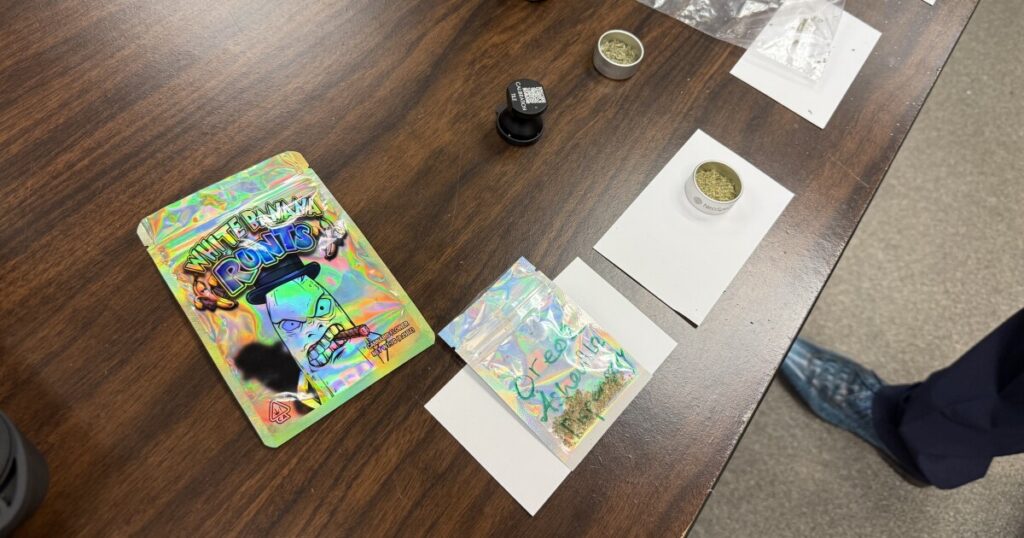
Senator Michael Lee, representing New Hanover, shared his experience of purchasing a pre-roll product called Girl Scout Cookies from a hemp dispensary near the Legislative Building. He noted that there was a warning about unknown levels of THCA, a compound that can convert to THC when heated, indicating potential risks associated with its consumption. “They don’t know what’s in them. Clearly the manufacturers don’t know what’s in them because it warns about toxic substances, and you can buy this down the street five minutes from here,” Lee stated.
The proposed legislation seeks to redefine the state’s criteria for hemp products. Currently, these products are defined by a delta-9 THC concentration not exceeding 0.3% of their dry weight. Lawmakers and law enforcement officials have expressed concerns over products in dispensaries that contain significantly higher levels of THC, courtesy of compounds like delta-7, delta-9, and delta-10.
Additionally, the bill intends to fully prohibit the sale of synthetic kratom products and restrict sales of consumable hemp and natural kratom products to those 21 and older. Senator Benton Sawrey of Johnston County remarked on the extent of the current regulatory environment, likening it to the “wild west” and acknowledging the challenges in reversing the situation entirely.
House Bill 328 aligns North Carolina’s definitions with federal standards, which are set to be enforced on November 12. These federal guidelines also ban products containing over 0.4 milligrams of THC per container. This provision has prompted the White House to request modifications to the impending rule.
The conference report clarifies the state’s intention to maintain compliance with the federal hemp standards, even if Congress alters or revokes them. During a visit to a dispensary near a Wake County high school, Sawrey and Bryan House, director of the N.C. Alcohol Law Enforcement division, observed a concerning lack of regulatory enforcement. Sawrey described how products resembling Skittles and other THCA items were easily accessible, highlighting the current limitations in law enforcement efforts.
The updated House Bill 328 was developed by a bipartisan group of seven lawmakers, including Sen. Bill Rabon and Rep. Reece Pyrtle. This conference report is non-amendable and requires a simple majority approval in both legislative chambers to be presented to Governor Josh Stein.
Opposition to the bill was voiced by Senator Sophia Chitlik of Durham, who argued that fragmented regulations would simply drive sales of hemp and kratom to the black market. Chitlik advocated for the legalization of marijuana in North Carolina, suggesting that it would create a safer, regulated market for adult consumers. “This is something that North Carolinians want, it’s not going away. We cannot regulate it out of existence, but we can regulate us into safety,” she emphasized.
The Senate passed the bill with a 37-6 vote, though it faced delays in the House due to timing issues. Speaker of the House Destin Hall mentioned that the House had not taken up the bill because it was presented late, leaving insufficient time for lawmakers to assess the revised language. Hall stated, “I’d rather err on the side of caution in terms of getting those things out of the marketplace, and I think our (House Republican) caucus generally agrees with that position, as well.”
Frustration between Legislative Chambers
The Senate’s approval of the bill was not mirrored by immediate action in the House, resulting in frustration among Senate members. Sawrey expressed discontent over the repeated attempts to pass the legislation, while Speaker Hall indicated that House members needed additional time to review the proposal. Under a resolution passed Thursday, the House is scheduled to reconvene the week of July 27.