Across the western United States, landscapes are being reshaped by decades of fire suppression practices. This has led to overgrown areas that pose a heightened risk of severe wildfires. Research conducted in the Great Basin of eastern Nevada sheds light on how strategically planned fires can revitalize these areas by reducing dense vegetation and promoting the growth of native plants.
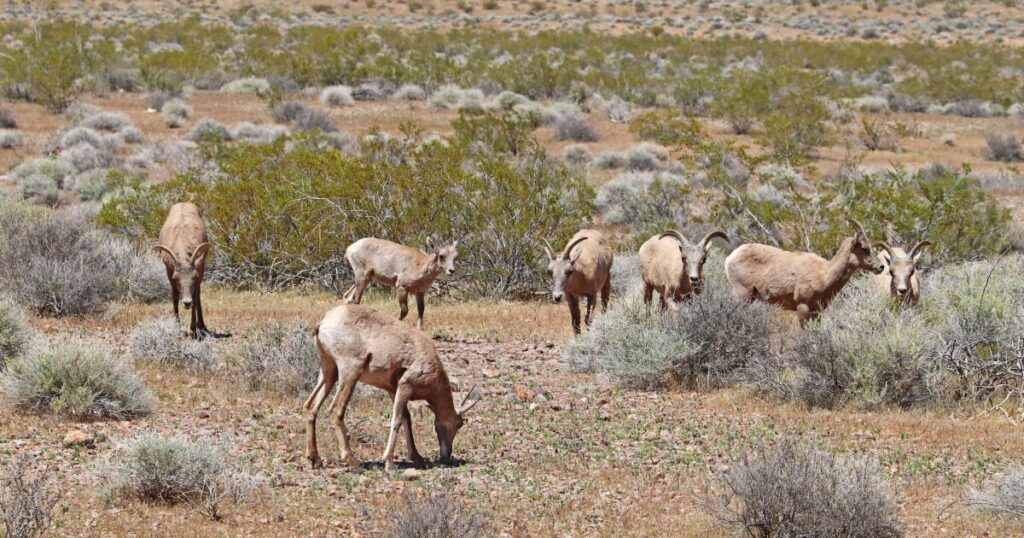
In these regions, the controlled fires encourage the proliferation of grasses, shrubs, and wildflowers, providing essential forage for wildlife such as the Rocky Mountain bighorn sheep. “Bighorn sheep like young forests that recover, so shrubs, grass and flowering plants and all that,” explained Louis Provencher, a restoration ecologist with the Nature Conservancy and the lead author of the study. “Fire will just create that.”
While the primary focus of the study was on habitats for bighorn sheep, the implications are broader, benefiting other species like mule deer and elk, which thrive in environments rich with grasses, shrubs, and open habitat.
The timing of these findings coincides with an increased use of prescribed burns by land managers throughout the Mountain West, a response to increasingly devastating wildfire seasons. Despite their benefits, prescribed burns are a small fraction of restoration efforts due to their complexity, requiring precise weather conditions, specialized crews, and careful planning, alongside public concerns about smoke and potential fire spread.
Provencher highlighted that the Great Basin’s situation mirrors a widespread trend in the West, where fire suppression has resulted in denser, less varied landscapes than those of the past. This accumulation of vegetation can lead to more severe wildfires and diminish the younger plant communities crucial for various wildlife species.
The research indicates that prescribed fires yield the best results under specific conditions, often in combination with other techniques such as forest thinning or reseeding native plant species.
In the West, the debate has moved beyond whether fire should be a part of the landscape, focusing instead on how to reintroduce it safely to restore ecological balance and improve wildlife habitat. “This is the kind of treatment that’s fairly common across the West,” Provencher stated. “The lessons learned here are especially valuable for people working in arid landscapes.”
This story was produced by the Mountain West News Bureau, a collaboration between KUNR, Wyoming Public Media, Nevada Public Radio, Boise State Public Radio in Idaho, KUNC in Northern Colorado, KANW in New Mexico, Colorado Public Radio, KJZZ in Arizona and NPR, with additional support from affiliate newsrooms across the region. Funding for the Mountain West News Bureau is provided in part by the Corporation for Public Broadcasting and Eric and Wendy Schmidt.