Federal Funding Shift Disrupts Wisconsin’s Teen Pregnancy Prevention Efforts
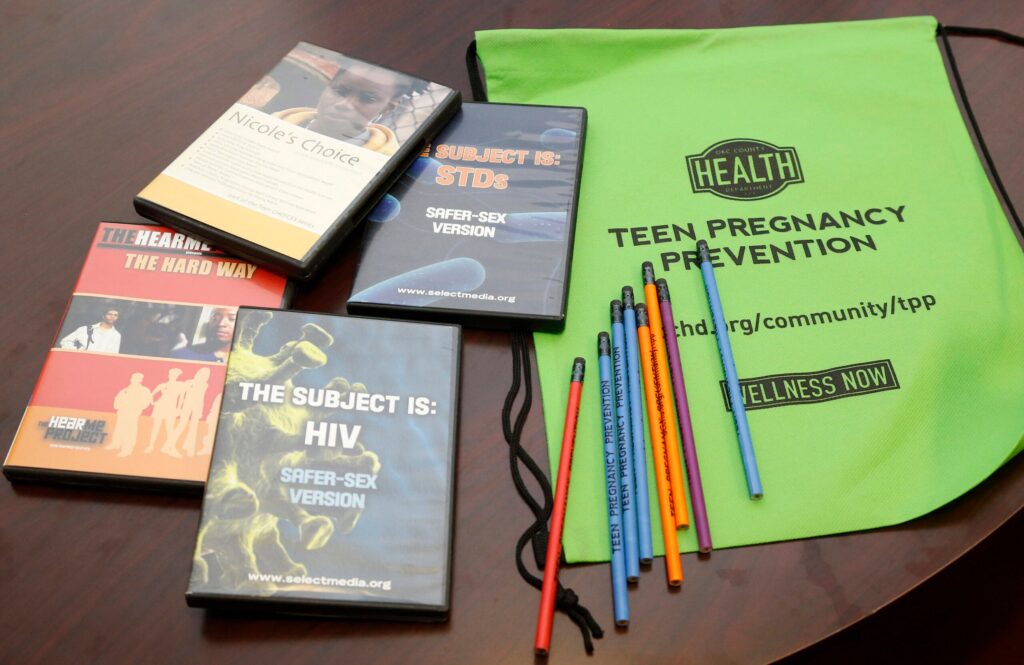
In a surprising turn, health initiatives in Wisconsin are facing significant financial shortfalls after the Trump administration altered a program designed to curb teen pregnancy. This change has led to the abrupt withdrawal of more than $1 million in annual grant money.
The Wisconsin Department of Health Services (DHS) informed its funding recipients over the weekend that the federal government had ended a $1.2 million yearly Teen Pregnancy Prevention grant. This information came via an email to stakeholders, which was later shared with Wisconsin Public Radio.
Recipients were told on Friday about the termination, effective immediately, with the DHS not responding to repeated inquiries by Tuesday. This grant, initially set to cover a five-year period through 2028, supported initiatives to reduce unintended pregnancies and sexually transmitted infections among young people.
According to Bloomberg, the U.S. Department of Health and Human Services (HHS) redirected these funds to support two new grants focused on teen pregnancy prevention. The fresh funding, as listed on a federal grants website, targets “body literacy” education and “reproductive goals counseling,” emphasizing “protection of parental rights” and “transparency for parents and guardians.” HHS did not immediately comment on the grant changes when contacted by WPR.
The Boys & Girls Clubs of Greater Milwaukee, another grant recipient, is evaluating the possible effects on their programs. Despite the changes, they have declined to comment further as they assess the situation.
Embolden Wisconsin, a nonprofit that received $130,000 annually through the DHS grant, is also affected. The organization’s executive director, Sara Finger, stated that this funding constituted a substantial portion of their Providers And Teens Communicating for Health, or PATCH, program, which aims to improve communication between teens and healthcare providers.
Finger expressed concern over the reallocation, saying the new grants are “completely in contradiction to the spirit of PATCH.” She criticized the new funding criteria, arguing it undermines public health and evidence-based adolescent care. Additionally, she noted that these changes align with the Trump administration’s broader strategy to dismantle diversity, equity, and inclusion programs, with new grants requiring adherence to these policies.
State Health Officer Paula Tran has communicated to subgrant recipients that the department is “assessing all avenues possible to ensure the federal government is following all requirements in this funding agreement.”
Finger fears this funding cut is just the beginning, with more reductions likely due to the new constraints on health equity-focused programs. Embolden Wisconsin relies on two other federally funded grants through DHS, both up for renewal soon. Finger worries these funds might also be targeted, stating, “This may be just the tip of the iceberg.”