The recent decision by the U.S. Supreme Court in the case Louisiana v. Callais is poised to significantly reduce the number of Black elected officials in the Southern United States. This ruling permits states to eliminate majority-minority congressional districts, a critical component of the Voting Rights Act of 1965.
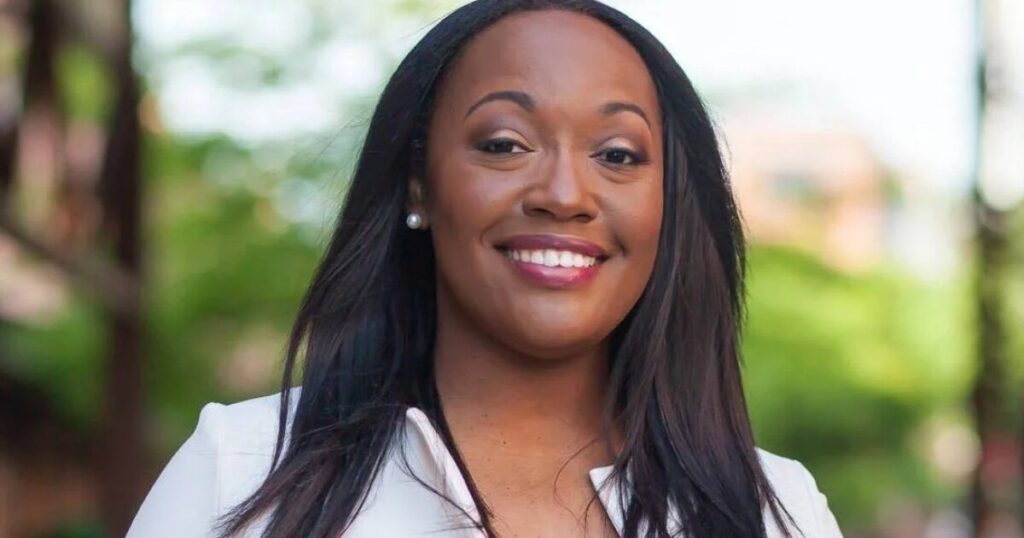
Leoneda Inge, host of Due South, recently engaged with Black politicians like North Carolina State Senator Natalie Murdock to discuss the implications of this decision on voting rights and Black political representation. Murdock, a 42-year-old Democrat, serves the 20th District, which includes Chatham and Durham counties.
Below is a portion of their dialogue.
Impact of the Supreme Court Ruling
How did you react upon hearing the Supreme Court’s ruling on the Voting Rights Act?
In North Carolina, our schedules as legislators are quite packed. The ruling was a profound blow, especially to those in the legal field who understood its significance. It was gut-wrenching, though somewhat anticipated, as the Voting Rights Act was precariously upheld, particularly Section 2. The inevitability of it did not lessen the pain.
Changing Political Landscape
Some describe this as ‘Jim Crow 2.0.’ Is this an accurate characterization?
This is indeed accurate. I’ve referred to this as Jim Crow 2.0 since 2021. Notably, Texas broke quorum in 2021, and Congresswoman Jasmine Crockett emerged as a key figure in the push for a renewed Voting Rights Act. We failed to pass the John Lewis Voting Rights Act, which has led us to the current situation where states are eagerly altering maps and laws, pausing primary elections. This is undoubtedly Jim Crow 2.0.
Legacy and Future Generations
You’ve spoken with prominent figures like Eva Clayton, the first Black Congress member from North Carolina in nearly a century. What are your thoughts on her insights?
Both Congresswoman Foushee and Eva Clayton have shared valuable lessons. Foushee served in areas like Chatham County, where being represented by a Black woman was not unusual. Clayton’s district, even after redistricting, wasn’t a guaranteed win, yet she succeeded. This shows that candidates with strong qualifications can prevail, and they have cleared a path for us.
The belief in America’s promise persists. As Eva Clayton noted, as we approach the nation’s 250th anniversary, the fight for Black representation continues. It’s a call to hold America accountable, urging us to fulfill the founders’ vision. We must awaken to the reality of Jim Crow 2.0 and, like our ancestors and figures like Eva Clayton, demand that America upholds the principles outlined in the Constitution.
For more insights from the Due South interview with NC State Senator Natalie Murdock, N.C. Supreme Court Associate Justice Anita Earls, Congresswoman Valerie Foushee, and former Congresswoman Eva Clayton, listen here.