Rediscovering Nature: A Journey Through Habitual Hiking
In today’s fast-paced world, distractions are constant, and even a walk in the woods is often accompanied by the lure of technology. For those seeking to reconnect with nature, the challenge lies in truly immersing oneself in the environment without the interference of modern gadgets.
Writer Jill Sisson Quinn has spent two decades hiking the New Hope segment of Wisconsin’s Ice Age Trail. Her reflections on this journey offer a glimpse into the dichotomy of habit and discovery.
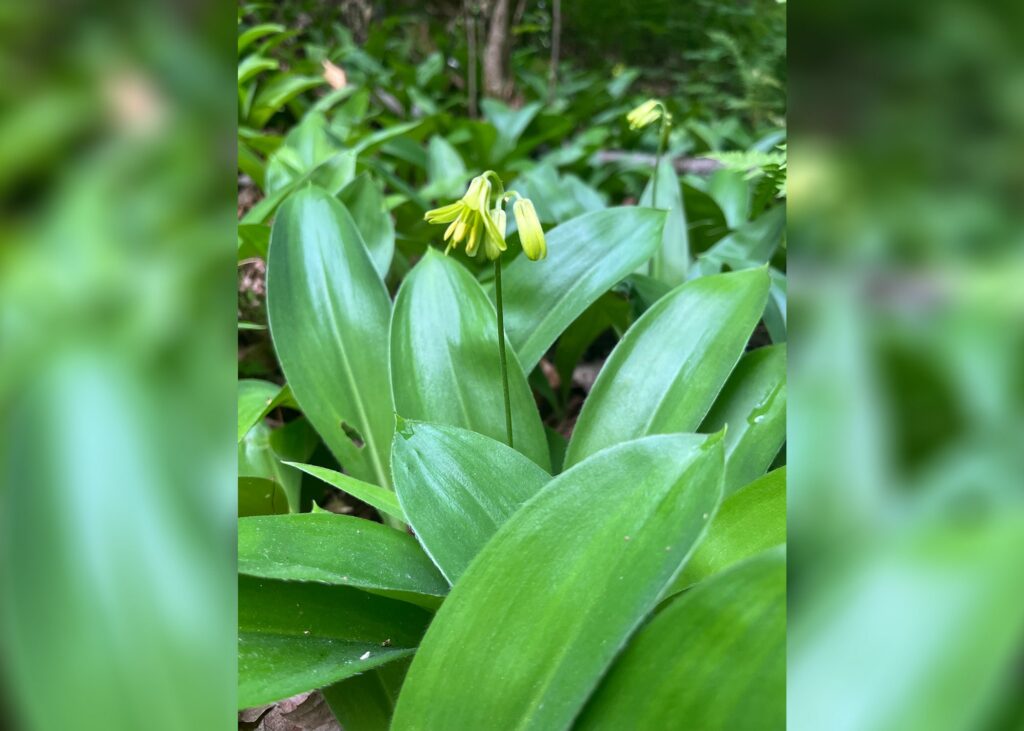
Quinn reminisces about her early hikes, where she spent hours in the forest with nothing but a wildflower guide or a birds field guide, devoid of digital distractions. She recalls, “I could turn over the same log at the top of the hill above Severson Lake to reveal a certain spotted salamander any time the humidity was right.” Such experiences highlight the profound connection she developed with the trail, noticing the consistent appearance of a single yellow lady’s slipper each May.
Yet, as Quinn notes, walking the same path repeatedly can sometimes reveal the unexpected. A memorable encounter involved her first dog greeting a badger in what she describes as a “Disney style interspecies hello.” These instances underscore the unpredictability that can arise even in familiar settings.
With the advent of smartphones, the temptation to access information at a moment’s notice is ever-present. Quinn explains, “My phone is silenced, but there’s nothing so loud as the world’s brain in the palm of your hand when you’re alone in the forest.” The pull of technology can detract from the serene experience of observing nature, leading Quinn to avoid stopping to prevent the urge to check her phone.
This habitual hiking has led to new discoveries and changes in the trail’s ecosystem. While her salamander is no longer present, replaced by a decomposed log, the yellow lady’s slipper has multiplied into a trio. Additionally, she has observed a scarlet tanager returning to the same branch on consecutive days, a creature of habit much like herself.
One notable encounter involved a coyote emerging from a tangle of brush, moving away slowly rather than scampering off. This close and deliberate observation of wildlife prompts Quinn to ponder how many times the coyote may have watched her during her walks.
Through her experiences, Quinn emphasizes the importance of being mindful of the habits we form. As she reflects, “As often as we check our phones, we should check our forests, tapping into nature’s algorithms, not just artificial ones.” In a world where information is readily available, it is crucial to remember that the brain seeks not just knowledge, but the opportunity to notice and wonder.
Jill Sisson Quinn is a writer based in Scandinavia. This piece was produced by Tyler Ditter. Wisconsin Life is a co-production of Wisconsin Public Radio and PBS Wisconsin in partnership with Wisconsin Humanities. Additional support comes from Lowell and Mary Peterson of Appleton.